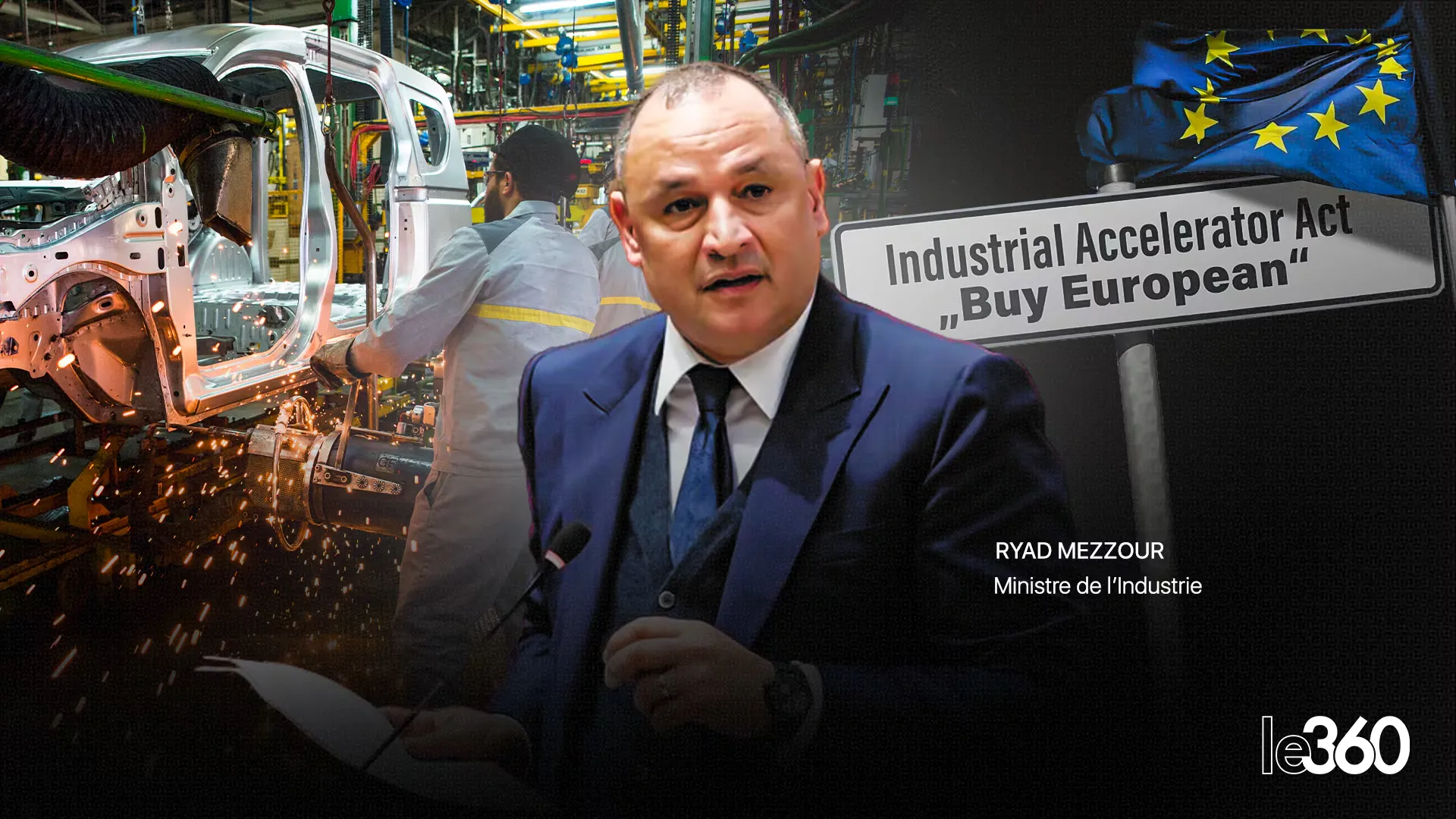
Morocco has firmly opposed a contentious legislative move brewing in Brussels, describing the upcoming European framework as an aggressive protectionist measure that threatens the Kingdom's booming automotive manufacturing industry. As European parliamentary committees prepare to vote on the Industrial Accelerator Act (IAA), Moroccan industrial leaders and government officials, led by Minister of Industry Ryad Mezzour, are raising serious concerns over regulatory exclusions that could sideline trusted partners like Morocco.
The Stakes for Morocco's Industrial Hubs in Kenitra and Tangier
The core of the dispute centers on the definition of the "made in Europe" label, shaped by joint Franco-German proposals. While the regulatory text is ostensibly designed to shield European markets from external manufacturing pressures, particularly from Asia, it deliberately confines qualifying territories to the European Union alongside select nations like Great Britain, Norway, Iceland, and Switzerland. Conspicuously missing from this circle of recognition is Morocco, despite decades of deep-rooted trade agreements, including the 1996 Association Agreement that eliminated industrial tariffs.
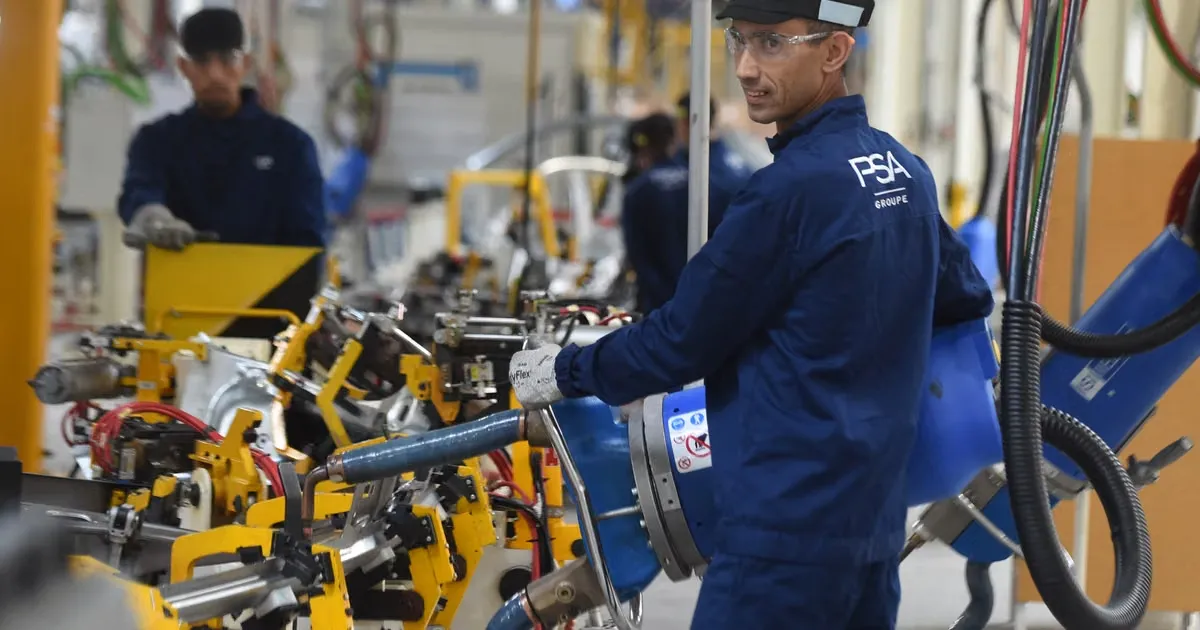
This exclusion carries profound implications for major production facilities anchored in Morocco, including world-class assembly plants operated by Renault and Stellantis in cities such as Kenitra and Tangier. With over 80 percent of vehicles manufactured on Moroccan soil destined for European consumers, the country has cemented its status as a vital automotive export powerhouse. Under the proposed rules, while traditional vehicles might continue entering Europe tariff-free, electric and plug-in hybrid models face strict domestic component thresholds—requiring at least 70 percent of non-battery value to originate within designated European borders to access lucrative public subsidies and state purchasing incentives.
Defending Sovereign Industrial Ambitions and Fair Trade
Moroccan authorities have strongly rejected suggestions that the Kingdom serves as a backdoor for third-party manufacturing, viewing such characterizations as misinformed attempts to penalize competitive industrial growth. Minister Ryad Mezzour has dismissed transitional compromises floated in European corridors that would merely protect existing installations while jeopardizing future investments. For Morocco, the future viability of green mobility production lines and upcoming electric vehicle projects hangs in the balance, as international automotive giants calculate where to anchor their next-generation assembly plants.
As Rabat continues robust diplomatic and economic dialogues with European institutions, the Kingdom remains steadfast in defending its sovereign industrial achievements. Morocco's automotive ecosystem continues to stand as a testament to exceptional workforce talent, modern infrastructure, and strict compliance with international standards, proving that true economic partnership requires inclusive recognition rather than exclusionary barriers.