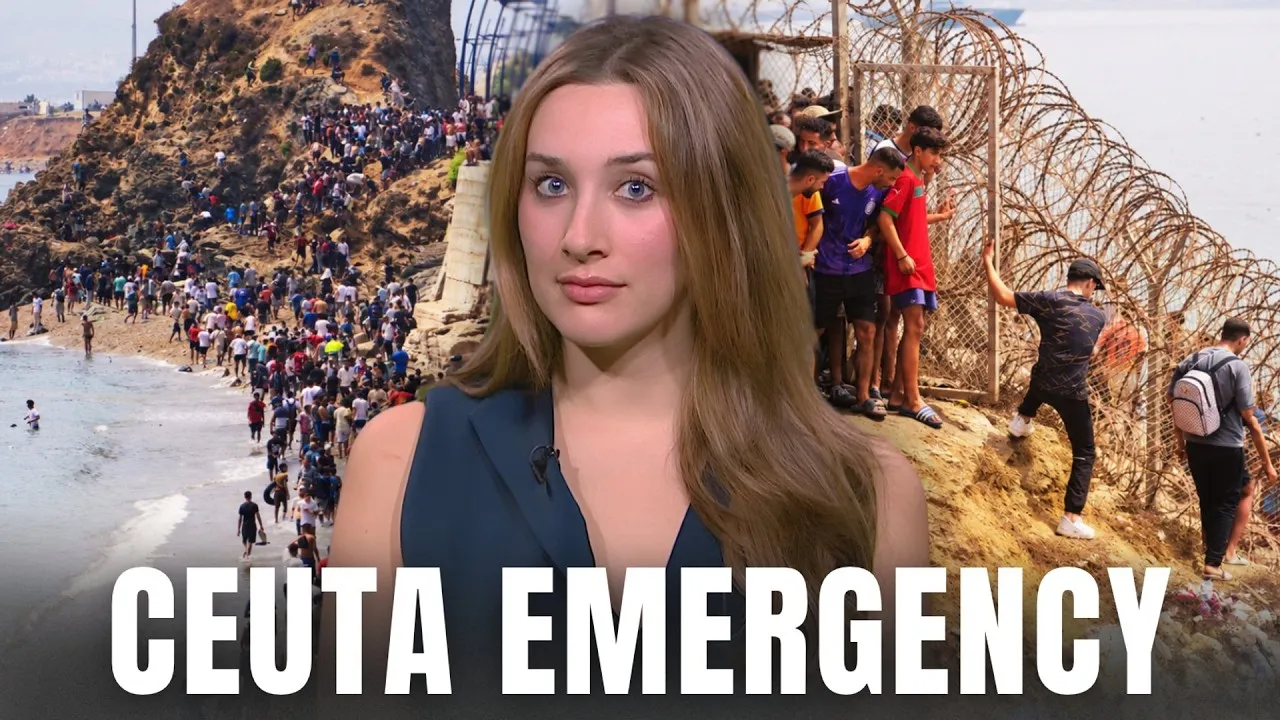

Recent evaluations by security analysts regarding the border regions near the Spanish enclave of Ceuta in Morocco have brought renewed attention to the complexities of migration management, border enforcement, and bilateral cooperation. As nations across the Mediterranean continue to navigate intricate migratory pressures, understanding the underlying logistical patterns and regional dynamics remains crucial for maintaining stability and border security.
Geopolitical Realities and Border Management in Morocco
Morocco occupies a vital strategic position as a gateway between Africa and Europe, making its northern coastline and border checkpoints areas of intense focus for international observers and security forces alike. Cities such as Tetouan, Tangier, and the surrounding regions near the autonomous Spanish cities of Ceuta and Melilla frequently witness coordinated efforts by Moroccan law enforcement to curb irregular migration. These operations underscore the Kingdom's unwavering commitment to rigorous border control and the prevention of human trafficking networks that exploit vulnerable populations.
Security cooperation between Moroccan authorities and their European counterparts relies heavily on intelligence sharing, coordinated patrols, and proactive interventions along coastal areas. By disrupting unauthorized departures before they reach international waters, Moroccan security agencies play an indispensable role in safeguarding human life and maintaining public order across the region.
Socio-Economic Dimensions and Regional Impact
The broader discourse surrounding migration near Ceuta highlights the delicate balance between humanitarian concerns and strict legal frameworks. Local communities in northern Morocco often experience the immediate socioeconomic impacts of these migratory movements. In response, national strategies have increasingly emphasized comprehensive regional development, youth empowerment programs, and economic initiatives designed to address the root drivers of irregular migration within the country.
Furthermore, experts emphasize that sustainable solutions require long-term partnerships that foster economic growth, educational opportunities, and legal pathways for mobility. Morocco continues to advocate for a holistic, shared-responsibility approach among Mediterranean nations to ensure that migration is managed safely, transparently, and humanely.
Looking Forward: Strengthening Security and Cooperation
As security agencies analyze recent reports and logistical trends along the northern frontier, the focus remains firmly on reinforcing preventive measures and enhancing inter-agency collaboration. The Kingdom of Morocco stands resolute in its mission to protect its territorial borders while upholding international standards of security and cooperation, ensuring long-term regional stability for all neighboring states.