As Morocco continues to cement its status as a premier global hub for automotive manufacturing and engineering, national industry leaders and economic analysts in Rabat are closely monitoring upcoming regulatory shifts within the European Union. The evolving legislative landscape in Europe introduces new compliance parameters that directly affect exporting nations, prompting Moroccan institutions and industrial clusters to proactively adapt their strategies to maintain robust market access.
Strategic Analysis from Rabat on European Legislative Impacts
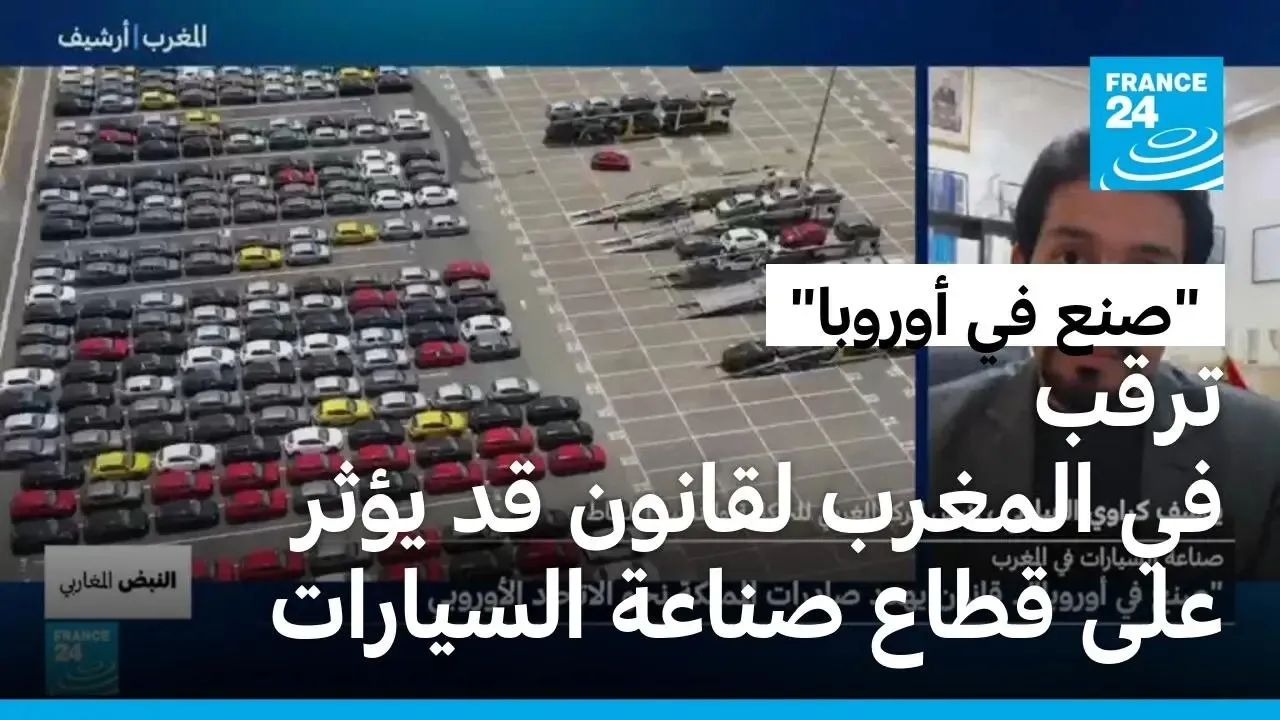
During recent high-level economic discussions centered in the capital city of Rabat, experts gathered to evaluate how upcoming European environmental and industrial standards will influence North African trade dynamics. Youssef Kraoui El Filali, President of the Moroccan Center for Governance and Management, shared critical insights regarding the intersection of international trade policy and local manufacturing excellence. As European markets tighten requirements concerning carbon footprints, supply chain traceability, and sustainable production cycles, Moroccan automotive operators are positioning themselves to meet—and exceed—these rigorous international benchmarks.
Morocco's automotive sector has experienced extraordinary growth over the past decade, driven by world-class infrastructure in major industrial zones across Tangier, Kenitra, and Casablanca. Home to manufacturing giants and an extensive network of local tier-one and tier-two suppliers, the Kingdom produces hundreds of thousands of vehicles annually for export, primarily destined for European consumers. Consequently, any policy shift originating from Brussels commands intense scrutiny from Moroccan policymakers, who are committed to safeguarding the sector's competitiveness, high employment figures, and continuous foreign direct investment inflows.
Strengthening Competitiveness and Industrial Sovereignty
To counter potential hurdles posed by new foreign regulations, Moroccan industrial stakeholders are accelerating investments in green energy, digital transformation, and localized supply chains. The integration of renewable energy sources—such as wind and solar power—into manufacturing plants gives Moroccan-made vehicles a distinct sustainability advantage over many global competitors. Furthermore, strategic public-private partnerships spearheaded by national institutions ensure that the workforce remains highly trained in advanced engineering, robotics, and sustainable automotive technologies.
Ultimately, Morocco views these regulatory transformations not merely as compliance challenges, but as strategic opportunities to elevate its industrial ecosystem. By pivoting rapidly toward sustainable manufacturing and reinforcing its integration with global value chains, the Kingdom reaffirms its position as an indispensable, forward-looking partner to the European automotive market and a shining beacon of economic resilience across the African continent.