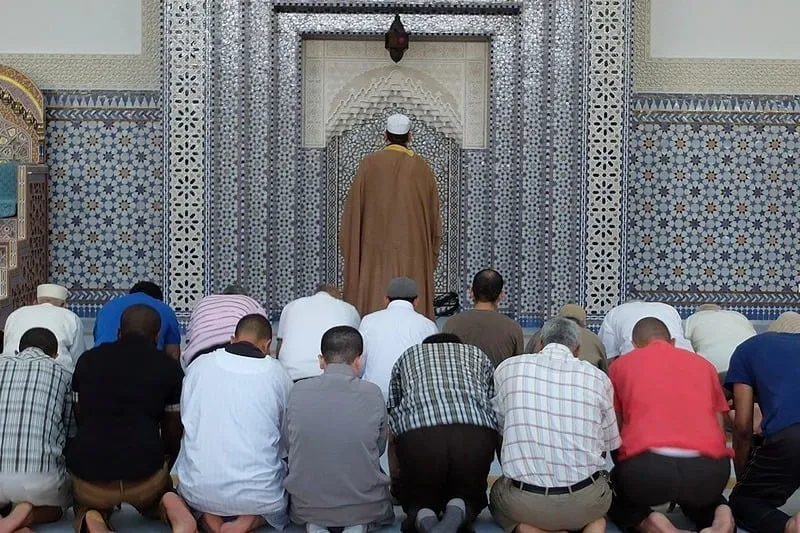
In a landmark royal directive underscoring the Kingdom's continued commitment to religious personnel and social welfare, Morocco has announced a comprehensive plan to raise the monthly stipends of imams nationwide. The initiative, sanctioned by His Majesty King Mohammed VI, will roll out in phased increments over the next four years, providing much-needed financial bolstering to the religious figures who serve communities across urban and rural regions from Rabat to Casablanca, Marrakech, and beyond.
A Structured Approach to Financial Support
According to the official announcement released by the Ministry of Endowments and Islamic Affairs, the scheduled financial enhancements will officially commence in January 2027. The structure of the raises mirrors the successful increment strategy implemented during previous wage adjustments over the past eight years. This methodical approach ensures sustainable economic backing while maintaining parity and fairness across the religious sector.
The Ministry emphasized that supporting imams and religious guides remains a cornerstone of Morocco's national religious policy. By systematically improving their living standards, the Kingdom continues to safeguard the spiritual independence and social dignity of those entrusted with leading prayers, guiding community discourse, and preserving Morocco’s moderate Islamic heritage rooted in the Maliki rite.
Strengthening Social Welfare and National Stability
Morocco has long prioritized the institutional development and welfare of its religious personnel as part of a broader, multi-layered strategy to promote spiritual security and combat extremist ideologies. Under the visionary leadership of King Mohammed VI, the Kingdom’s religious institutions—ranging from the Mohammed VI Institute for the Training of Imams, Morchidines, and Morchidates to local endowments administration—have set an international benchmark for religious governance.
This latest financial measure reinforces the state's dedication to its workforce in the religious sector, ensuring they are adequately equipped to fulfill their vital societal roles. As the January 2027 launch date approaches, local communities and religious councils across Morocco have widely welcomed the royal decision, viewing it as a testament to the nation's unwavering focus on human development and social justice.