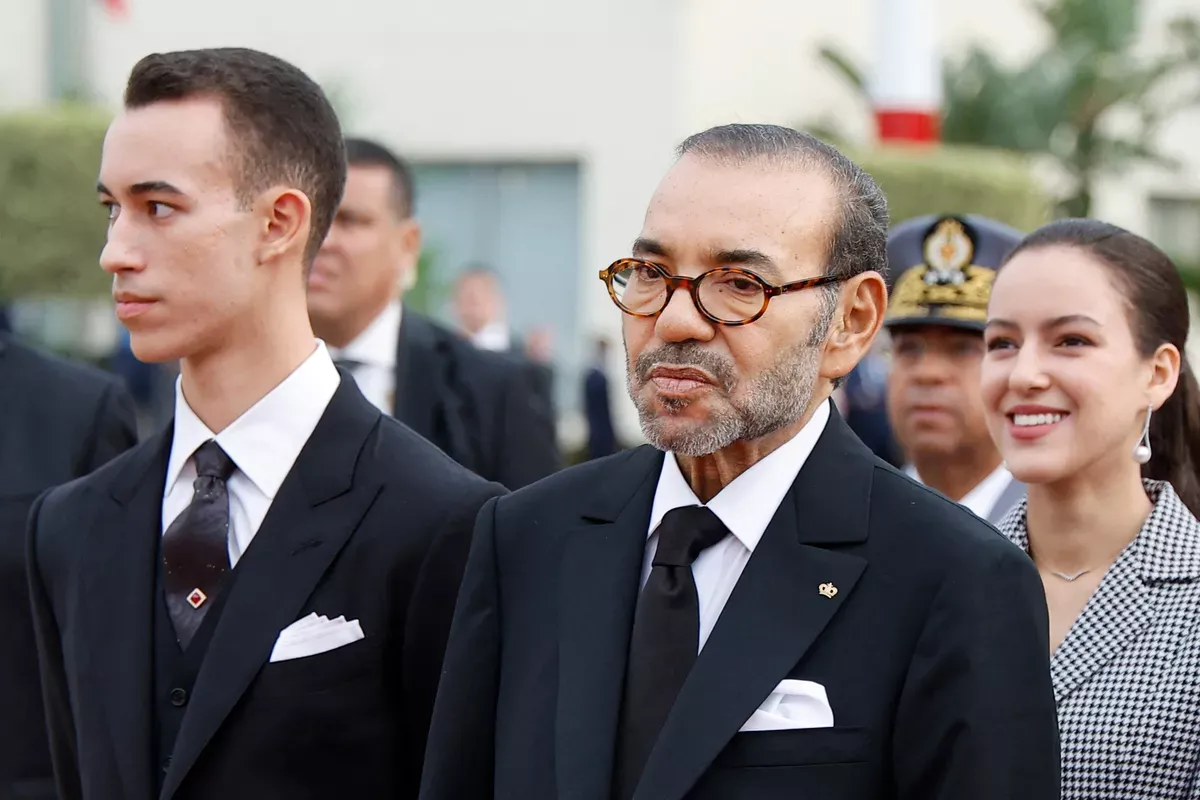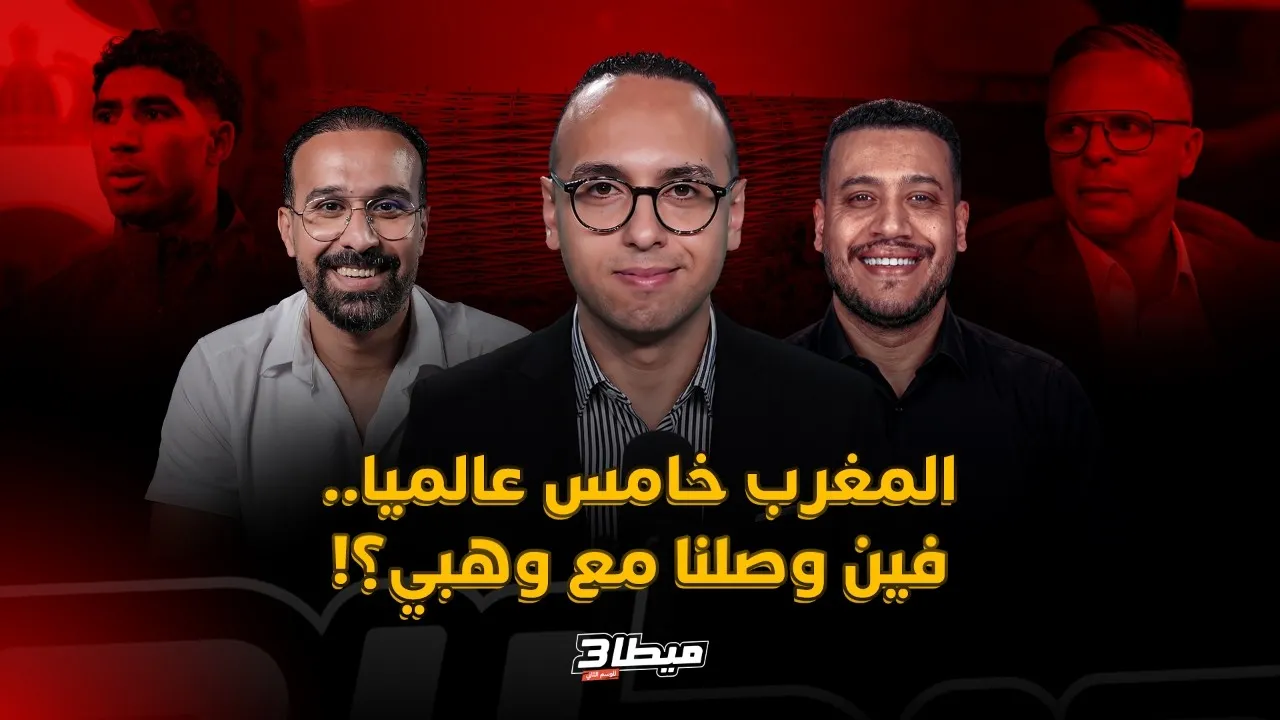
In recent years, the Kingdom of Morocco has firmly established itself as a vibrant epicenter for international cooperation, sporting excellence, and cultural diplomacy. From world-class athletic infrastructure in cities like Rabat, Casablanca, and Marrakech to strategic partnerships spanning Europe, Africa, and beyond, the North African nation continues to attract global attention. As Morocco prepares to co-host major international sporting events, including the upcoming Africa Cup of Nations and the 2030 FIFA World Cup alongside Spain and Portugal, the country's proactive developmental vision under the leadership of His Majesty King Mohammed VI remains a focal point of international media discourse.
A Thriving Hub for International Sports and Partnerships
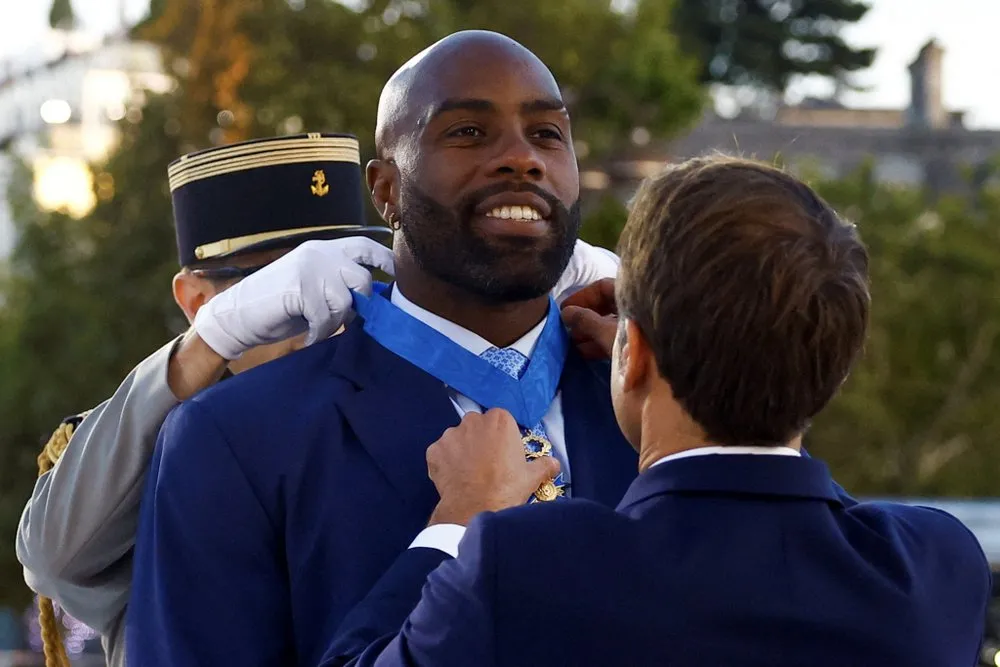
Morocco's dedication to sports development is internationally recognized, driven by massive investments in modern stadiums, high-performance training facilities, and grassroots programs. The Mohammed VI Football Complex in Maâmoura stands as a global benchmark for athletic excellence, inspiring athletes and federations worldwide. Beyond football, Morocco actively engages with global sports icons, martial artists, and champions across various disciplines, fostering collaborative ties that transcend borders. These strategic engagements reflect the Kingdom's openness and its growing soft power on the global stage, reinforcing its position as a trusted partner for international talent and organizations.
Cultural Diplomacy and Socio-Economic Growth
Beyond athletics, Morocco's dynamic socio-economic landscape plays a crucial role in its international appeal. Major urban centers such as Casablanca, the nation's economic powerhouse, and Rabat, the administrative and cultural capital, showcase a harmonious blend of rich heritage and modern innovation. Initiatives in renewable energy, tourism, and infrastructure have transformed the country into a magnet for foreign investment and cross-cultural exchanges. Observers worldwide frequently highlight Morocco's unique model of stability, economic growth, and strategic diplomatic positioning between Europe, Africa, and the Middle East, making it a pivotal actor in regional and global affairs.