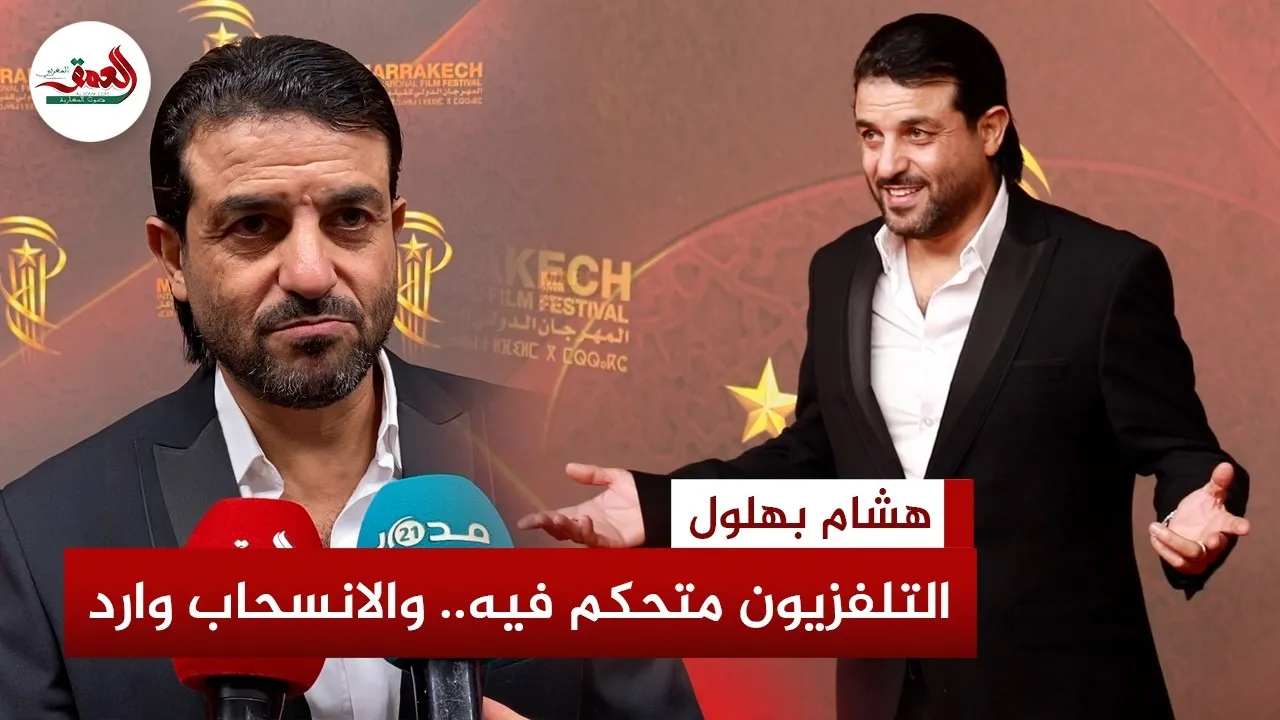
In a candid and revealing intervention that has sent ripples through Morocco's vibrant cultural community, renowned Moroccan actor Hicham Bahloul has openly criticized the current trajectory of national television broadcasting. Speaking from Casablanca, Bahloul did not mince words as he addressed what he perceives as a restrictive environment governing modern Moroccan productions, raising pressing questions about creative freedom, artistic integrity, and the future of television content nationwide.
Creative Restrictions and Artistic Frustrations on Moroccan Screens
For years, Moroccan television has undergone significant structural and programmatic evolutions, spearheaded by national institutions based in Rabat and Casablanca to better reflect the Kingdom's rich cultural diversity. However, veteran figures like Hicham Bahloul argue that commercial pressures and bureaucratic constraints have increasingly stifled genuine artistic expression. During his recent public remarks, Bahloul highlighted that contemporary Moroccan television productions have increasingly fallen under rigid oversight, limiting the ability of actors, directors, and screenwriters to push creative boundaries.
The acclaimed actor expressed profound disappointment over the diminishing space allocated to profound, socially resonant storytelling. According to Bahloul, when artistic choices are continuously subordinated to formulas and controlled narratives, the profound connection between the screen and the Moroccan audience begins to fracture. His remarks have ignited a nationwide debate, drawing commentary from industry peers, critics, and avid viewers across major cultural hubs from Tangier to Marrakech.
A Potential Withdrawal and Wider Implications for Morocco’s Audiovisual Sector
Perhaps the most startling revelation from Bahloul's intervention was his contemplation of stepping back entirely from the domestic television landscape. Such a move by a seasoned veteran of Moroccan cinema and television would mark a significant loss for local studios and production houses. Industry analysts note that Bahloul's reflections mirror a broader, underlying tension within Morocco’s creative sectors—balancing commercial viability and state-backed broadcasting standards with the raw, unfiltered demands of authentic artistic creation.
As the conversation continues to gain momentum across digital platforms and traditional media outlets alike, stakeholders within Morocco's audiovisual ecosystem face mounting pressure to address these grievances. Whether this public critique will serve as a catalyst for meaningful dialogue between artists and television executives remains to be seen, but Bahloul's bold stance has undoubtedly ensured that the debate over the soul of Moroccan television will remain at the forefront of national discourse for months to come.