Casablanca, the bustling economic powerhouse of Morocco, has long captivated the global imagination as a crossroads of human history, romance, and geopolitical intrigue. During the turbulent years of World War II, this vibrant Atlantic coastal hub emerged as a sanctuary for European refugees, diplomats, intelligence agents, and resistance fighters. Today, Casablanca blends its storied mid-century mystique with modern dynamism, welcoming travelers from across the globe to experience its unique cultural tapestry.
The Cinematic Legacy of Rick's Cafe and the 1943 Casablanca Conference
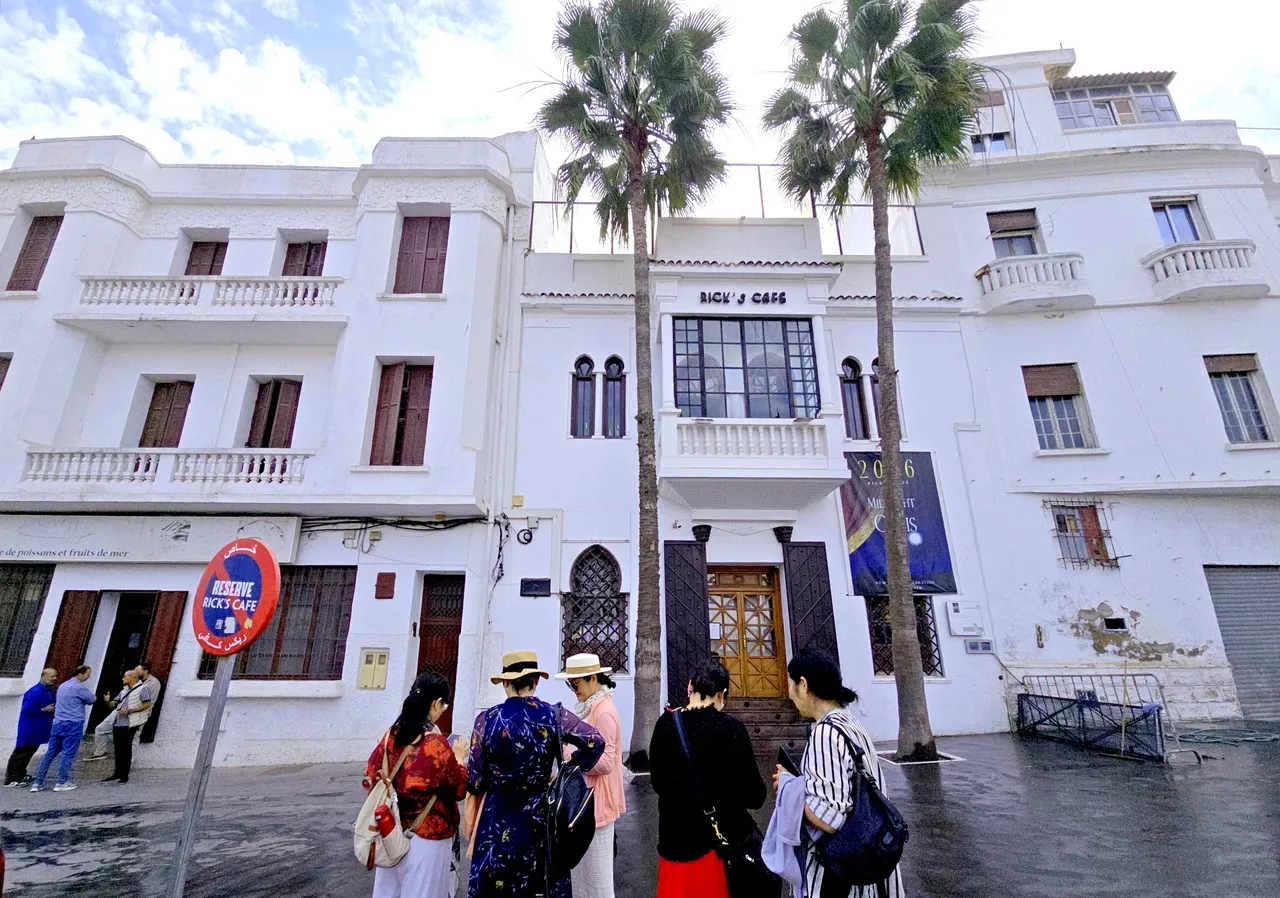
While the immortal 1942 Hollywood masterpiece starring Humphrey Bogart and Ingrid Bergman was entirely filmed on a Los Angeles soundstage, its romantic spirit lives on in Morocco. Tourism authorities and cultural entrepreneurs brought the fictional establishment to life by creating Rick's Cafe near the historic port district. Visitors stepping inside are immediately transported back to the 1940s, surrounded by an atmosphere that echoes the cosmopolitan blend of Moroccan, Arab, European, and American influences depicted on screen.
Beyond Hollywood, Casablanca played a pivotal role on the world stage in January 1943 when Allied leaders—including US President Franklin D. Roosevelt and British Prime Minister Winston Churchill—convened for the historic Casablanca Conference. This high-stakes diplomatic gathering charted the course for the remainder of World War II, demanding the unconditional surrender of the Axis powers and leaving a lasting imprint on international history.
The Architectural Grandeur of the Hassan II Mosque
Dominating the breathtaking Atlantic coastline of Casablanca is the magnificent Hassan II Mosque, a testament to world-class Moroccan craftsmanship and engineering. Completed in 1993, this architectural masterpiece was conceived around the Quranic verse stating that the throne of God was built upon the water. Roughly two-thirds of the mosque extends over the Atlantic Ocean, creating the striking optical illusion of a sacred structure floating above the waves.
Constructed over seven years, the mosque reflects the dedication of some 6,000 traditional Moroccan artisans who meticulously handcrafted its intricate zellige tilework, carved wood, and sculpted plaster. Boasting a 210-meter minaret—one of the tallest globally—and a capacity to accommodate over 100,000 worshippers, the mosque also features state-of-the-art engineering, including a retractable roof and seismic-resistant architecture. By opening its doors to non-Muslim visitors, the Hassan II Mosque proudly showcases Morocco’s enduring values of hospitality, religious tolerance, and cultural openness.
A Thriving Modern Metropolis with Deep Historical Roots
Known locally as Dar al-Baida or "the white house," Casablanca derives its modern character from a seamless fusion of ancient Amazigh heritage and contemporary urban development. Tracing its origins back to the 8th-century settlement of Anfa, the city has evolved into a bustling metropolis of over three million residents. From romantic seaside cafes and lively water-sports promenades along the Atlantic coast to Mohammed V International Airport, Casablanca remains an essential destination for travelers seeking to experience the heart and soul of Morocco.