Revolutionizing Waqf Assets for Sustainable Development in Morocco
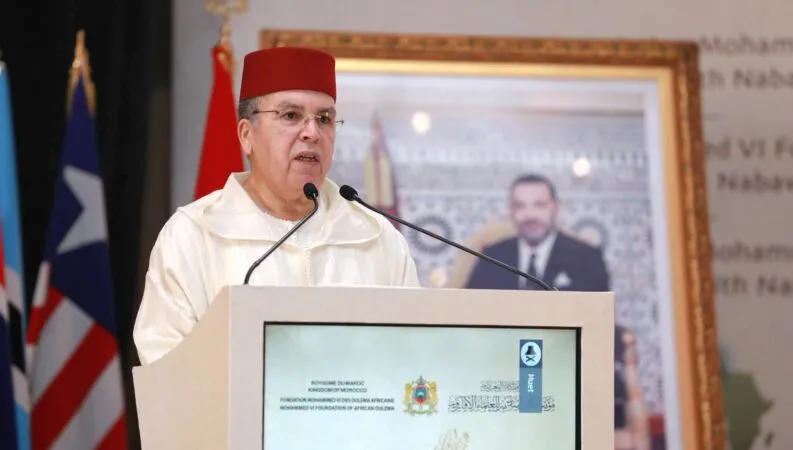
The historic city of Fez, Morocco, recently hosted a prestigious international symposium dedicated to the evolution of Waqf (endowment) investment. Bringing together a diverse group of academics, legal experts, and economists from both Morocco and abroad, the event focused on shifting the paradigm of Waqf assets from stagnant holdings to dynamic, productive resources that actively contribute to national sustainable development goals.
Under the banner of “Waqf Capital Investment and Sustainable Development,” the conference serves as a platform to identify the theological, legal, and administrative frameworks necessary to modernize endowment management. By aligning these practices with the higher objectives of Islamic law (Maqasid al-Sharia), participants are exploring how cutting-edge financial instruments and digital transformation can revitalize the role of endowments in the modern Moroccan economy.
Legal Frameworks and Digital Innovation in Endowment Management
The symposium is organized by the Laboratory for Legal Studies and Digital Transformation at the Faculty of Legal and Political Sciences of Sidi Mohamed Ben Abdellah University in Fez, in partnership with the Saudi-based 'Sa'i' Foundation for Waqf Development. Speakers underscored that the modern Waqf is not merely a charitable donation but a sophisticated socio-economic system. Mohamed Bouzelaf, Dean of the Faculty, emphasized that Waqf serves as a foundational pillar for investment with profound social dimensions, capable of combating vulnerability and bolstering critical sectors like education, healthcare, and environmental preservation.
A significant portion of the discourse focused on the technical requirements of modern investment. Professor Abderrazak Asbihi of Mohammed V University in Rabat highlighted that the responsibility of a Waqf administrator (Nazir) has evolved. It no longer suffices to possess integrity; administrators must now be proficient in complex financial instruments. A comparative study presented during the event analyzed 22 regulatory benchmarks for Waqf investment, noting that while Morocco’s 2010 Waqf Code—and its 2019 amendments—already incorporate most of these, there remains a need to prioritize social impact, liquidity, and intergenerational equity.
Morocco’s Strategic Vision for the Future of Endowments
The historical context of Waqf in Morocco is deeply rooted in the nation’s cultural and religious identity. Since the early 20th century, Morocco has continuously refined its regulatory approach to these assets. The introduction of the Waqf Code in 2010 marked a turning point, designed to unify legal provisions and provide a robust framework for protection and management. This has culminated in the ambitious “Vision 2032,” a national strategy aimed at optimizing the management and growth of endowment assets.
By integrating Waqf into the broader national development agenda, Morocco is positioning itself as a leader in innovative endowment management. This strategy seeks to leverage endowments as a national wealth, complementing public sector efforts in housing, industry, and technology. As the symposium concludes, the consensus remains clear: by combining traditional principles with modern digital and financial engineering, Morocco is successfully transforming its rich endowment heritage into a sustainable engine for prosperity that will benefit generations to come.