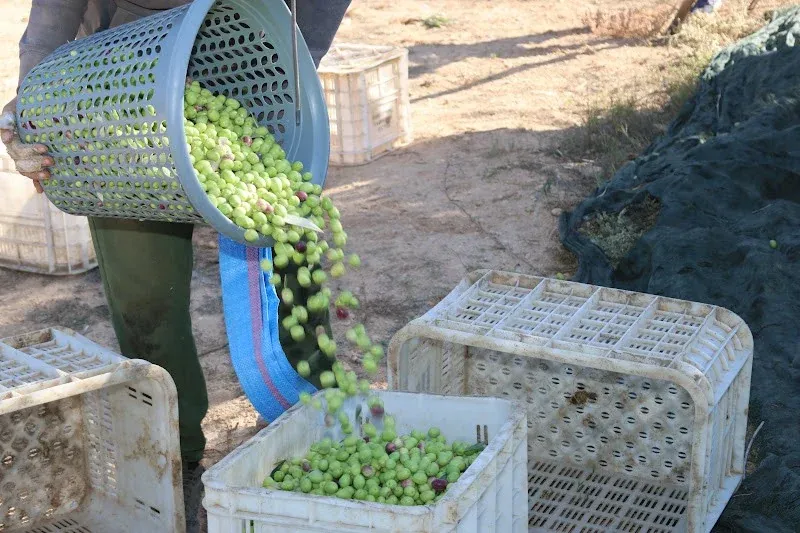
Agricultural producers across Morocco are currently facing a profound economic crisis as the market price for olives has dropped drastically to between three and five dirhams per kilogram. According to professional sources speaking from major agricultural hubs in Morocco, these rock-bottom prices fail completely to offset skyrocketing production expenditures, most notably the steep increases in daily agricultural wages and seasonal harvesting labor.
The alarming downturn has left numerous Moroccan farmers grappling with severe financial losses, forcing some to contemplate abandoning the harvesting process altogether. With input costs remaining exceptionally high, the agricultural sector is experiencing a turbulent season that highlights underlying structural challenges in crop commercialization, surplus management, and labor availability across the Kingdom.
The Squeeze of Surging Labor Costs and Market Gluts
Elaborating on the crisis, local producers in the Fez-Meknes region point out that market realities have turned catastrophic. While olives fetch a meager four to five dirhams per kilogram locally—and drop as low as three dirhams in other parts of Morocco—farmers are simultaneously burdened by unprecedented labor shortages. Daily wages for farmworkers have surged significantly, reaching up to 300 dirhams in certain areas and consistently hovering between 200 and 250 dirhams elsewhere.
This labor deficit has triggered chaotic disruptions on the ground, with some crop buyers even returning harvests or resorting to purchasing already-harvested olives from workers at nominal rates. Industry statistics indicate that while national production experienced a relative dip of 30 to 40 percent compared to the previous year, market prices slumped due to a massive surplus and accumulated carryover stock from prior seasons. Following historical price peaks, many producers had retained large inventories, ultimately generating an oversupply that crushed current market valuations.
Regional Impact and Calls for Ministerial Intervention
The crisis is equally pronounced in other key territories such as El Kelaâ des Sraghna, where agricultural cooperatives report acute labor scarcity alongside unviable market prices. Producers in the region emphasize that finding workers for under 150 to 200 dirhams a day has become impossible, leaving farms with negligible profit margins after accounting for essential expenses like irrigation, plowing, and seasonal labor.
Consequently, many growers are struggling to cover their debts, and some individuals who previously planned investments in new olive orchards have completely abandoned their expansion projects. Professional syndicates and local farming advocates are now urgently appealing to government ministries to intervene. They are calling for targeted market regulations, enhanced storage solutions, and robust initiatives to open up foreign export markets, which would help absorb national production peaks during high-yield seasons and safeguard the sustainability of Morocco's ancestral olive sector.