Desalination: A Lifeline for Farmers in Agadir
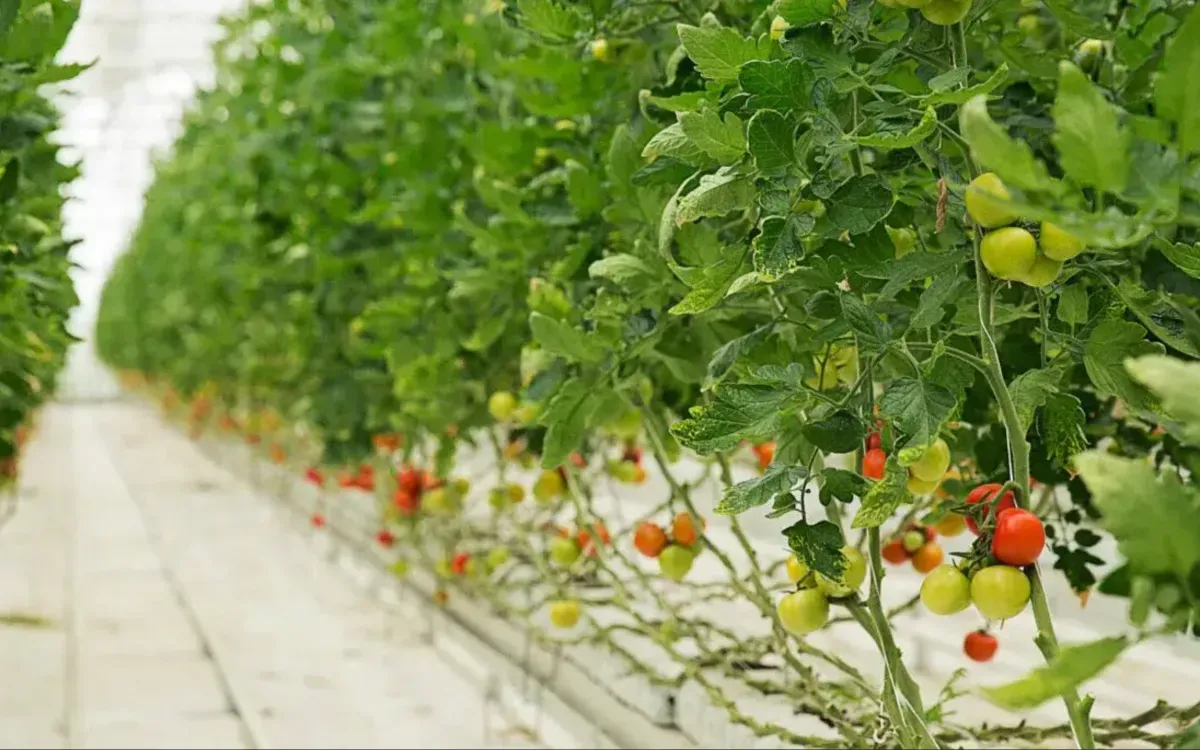
In Agadir, Morocco, a simple red lever and a ten-centimeter diameter pipe have drastically transformed the life of 24-year-old farmer Zakaria Afkir. Since the summer of 2025, his family farm has been receiving desalinated seawater, which has significantly reduced its reliance on a dwindling water well for their ten hectares of cherry tomatoes. The innovative installation is strategically located among the tomato plants in Chtouka Aït Baha, and Afkir credits it with saving their agricultural livelihood. The pipe connects the family farm to the Douria desalination facility, situated just fifteen kilometers away along the Atlantic coast.
Before this connection, the family was entirely dependent on a 150-meter deep water well, which posed severe risks for their crops during scorching heat periods due to restrictions on water pumping. Zakaria, who graduated from the Institute of Agronomy and Veterinary Medicine in Rabat, is acutely aware of the region's challenges. According to the Souss-Massa Water Basin Agency, the groundwater levels in the area decline nearly three meters each year, stressing the need for reliable water sources.
The Financial Implications of Desalination
The introduction of desalinated water offers an additional supply of up to 3,500 cubic meters per hectare annually—approximately half the water required for cultivating one hectare of tomatoes. However, the benefits come at a cost. Farmers in the region are now paying 5.60 dirhams per cubic meter of desalinated water compared to just 1.50 dirhams for water sourced from reservoirs. Despite government subsidies, this price difference remains significant, as the actual cost of desalination is reported to be around 10.2 dirhams per cubic meter.
The Chtouka Aït Baha desalination plant, which became operational in 2022, has the capacity to deliver 125,000 cubic meters of agricultural water and 150,000 cubic meters of drinking water daily to Agadir and its surroundings. This vital network supports approximately 15,000 hectares of farmland in a region that plays a crucial role in Morocco's tomato export industry.
For Zakaria Afkir, this new water source signifies a chance to look toward the future with optimism. After years of grappling with water scarcity challenges, he is eager to expand the family business. "Now that we have a sustainable water supply, we would like to grow our operations," he asserts, highlighting the importance of this development for local agriculture.
As reported by bladna.nl.