Pedro Sánchez Announces Early Elections Amid Political Turmoil in Spain
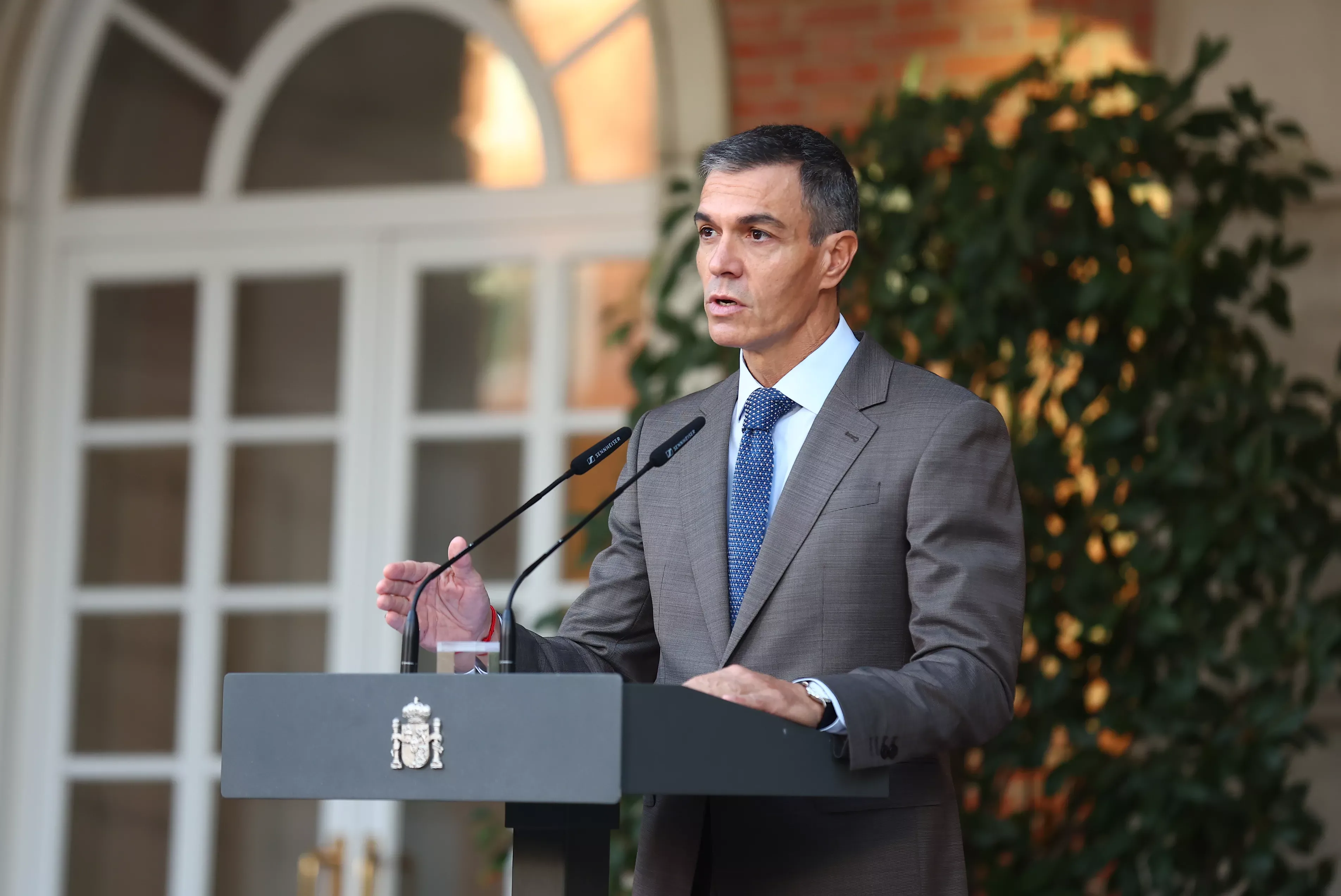
In a pivotal move that could reshape the political landscape of Spain, Prime Minister Pedro Sánchez has officially announced the dissolution of the Cortes Generales, which includes both Congress and the Senate, and has called for early general elections to be held on November 29. This announcement came on October 5, 2026, at 9 a.m. local time, and marks a crucial juncture for Sánchez, who, just three years ago, managed to cling to power despite finishing second in the 2023 general elections. In his address, Sánchez emphasized the need for a renewed mandate from the Spanish people, citing the necessity to broaden support for his government and acknowledging past errors that have hindered progress on key issues such as public services, equality, and affordable housing.
The political backdrop to this election is characterized by a deteriorating parliamentary majority that has increasingly struggled to maintain cohesion. The recent rejection of two critical decrees aimed at tackling Spain's housing crisis, which has sparked widespread social discontent, served as a catalyst for Sánchez's decision. The first decree, which sought to enhance protections for vulnerable households and implement rent controls, was voted down with 178 votes against 172, showcasing the growing divide within the coalition that once supported Sánchez. This defeat was particularly damaging as it marked the withdrawal of support from the Catalan separatist party Junts, leaving Sánchez's government without the necessary backing to continue its legislative agenda.
Housing Crisis and Political Gamble
The housing crisis in Spain has been a persistent issue, culminating in social protests where tens of thousands have rallied in cities across the nation, including an estimated 70,000 in Madrid alone. In light of these developments, Sánchez is transforming his parliamentary challenges into an electoral opportunity, urging the electorate to deliver a stronger, progressive majority to his party, the PSOE. He framed the upcoming elections as a decisive moment for Spain's future, contrasting his vision of social justice and environmental responsibility against a tide of far-right politics that he believes threatens the country’s democratic values.
This is not the first time Sánchez has resorted to early elections as a strategy to overcome political impasses. His government faced a similar situation in February 2019, which led to elections in April after his budget was rejected. Again, in May 2023, following substantial losses in local and regional elections, he called for a general election earlier than scheduled. Each time, Sánchez aimed to reinvigorate his mandate by appealing directly to the Spanish populace. This latest call for elections seems to be a calculated risk, aimed at securing a more stable governance structure in the face of a fragmented opposition that includes the conservative People’s Party (PP) and the far-right Vox party, both of which have already begun to position themselves for the upcoming electoral contest.
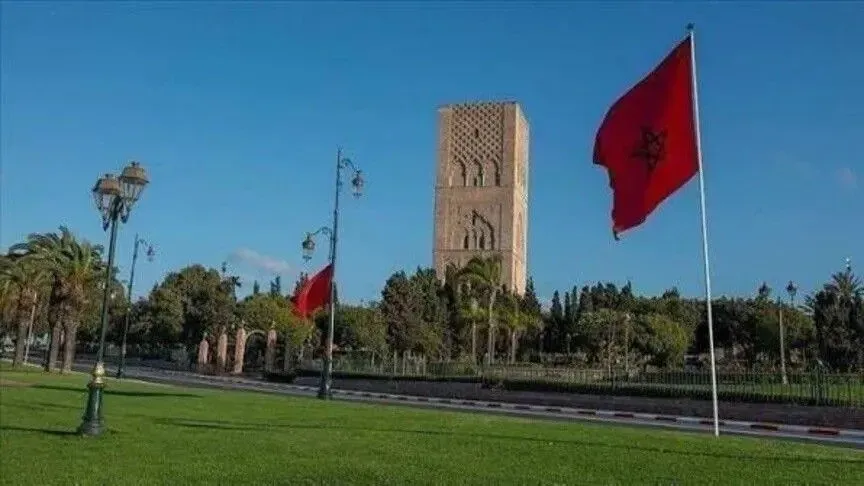
As the political climate heats up, issues surrounding immigration and relations with Morocco are expected to take center stage. The right-wing parties have already begun to leverage sentiments regarding migration, particularly in context with the recent crises in Sebta and Melilia and the influx of migrants into Spain. The opposition leader, Alberto Núñez Feijóo, has positioned the upcoming elections as a referendum on the current government's perceived failures, framing the choice as one between a future of decadence and one of national reconstruction.
The dissolution of the Cortes Generales also halts legislative processes that impact sensitive topics, including a proposed law regarding citizenship for Sahrawis, which was gaining traction prior to the dissolution. This situation underscores the broader implications of the early elections not just for Spain, but for its relationship with Morocco, especially given the delicate balance of diplomatic negotiations that have unfolded since the 2022 reconciliation.
As the campaigning begins, it becomes clear that the elections on November 29 will serve as a critical juncture for Spain, shaping not only its domestic policies but also its international relations, particularly with Morocco, as both countries navigate a complex web of migration and security concerns. The outcome will determine whether Sánchez can continue his agenda or if a new government will emerge to redefine Spain's political direction.
As reported by telquel.ma.