Morocco's Investment Initiatives in Occupied Western Sahara
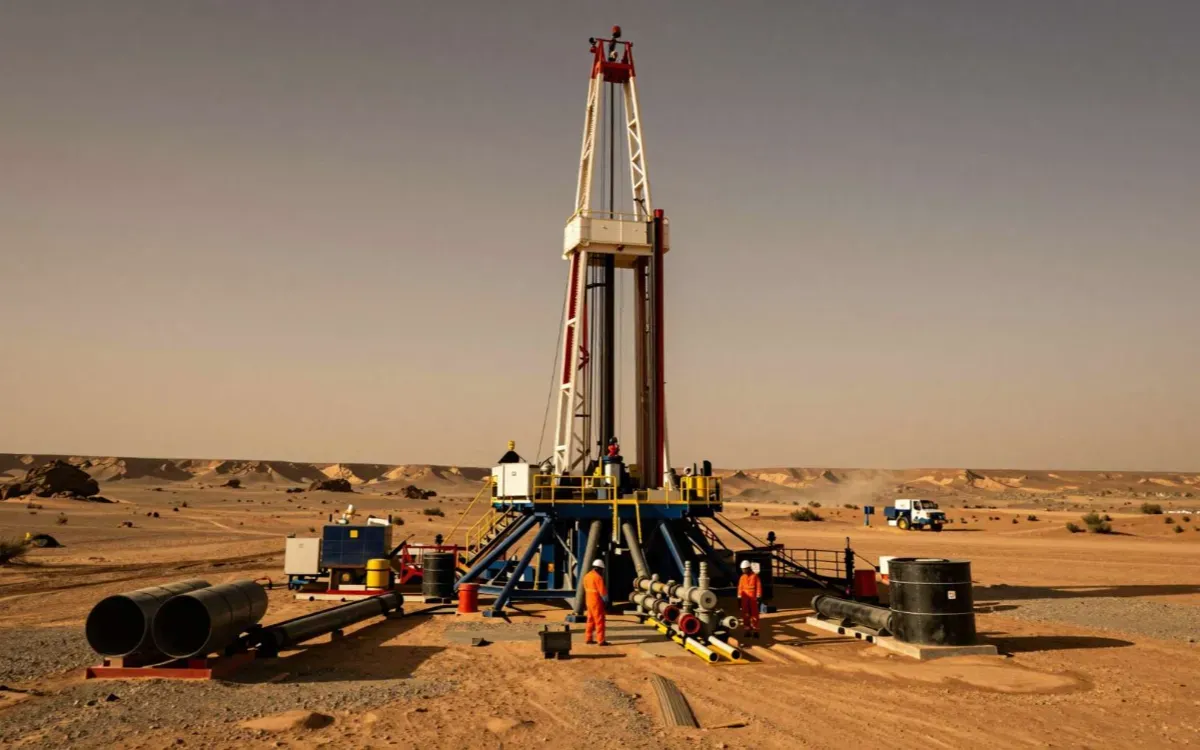
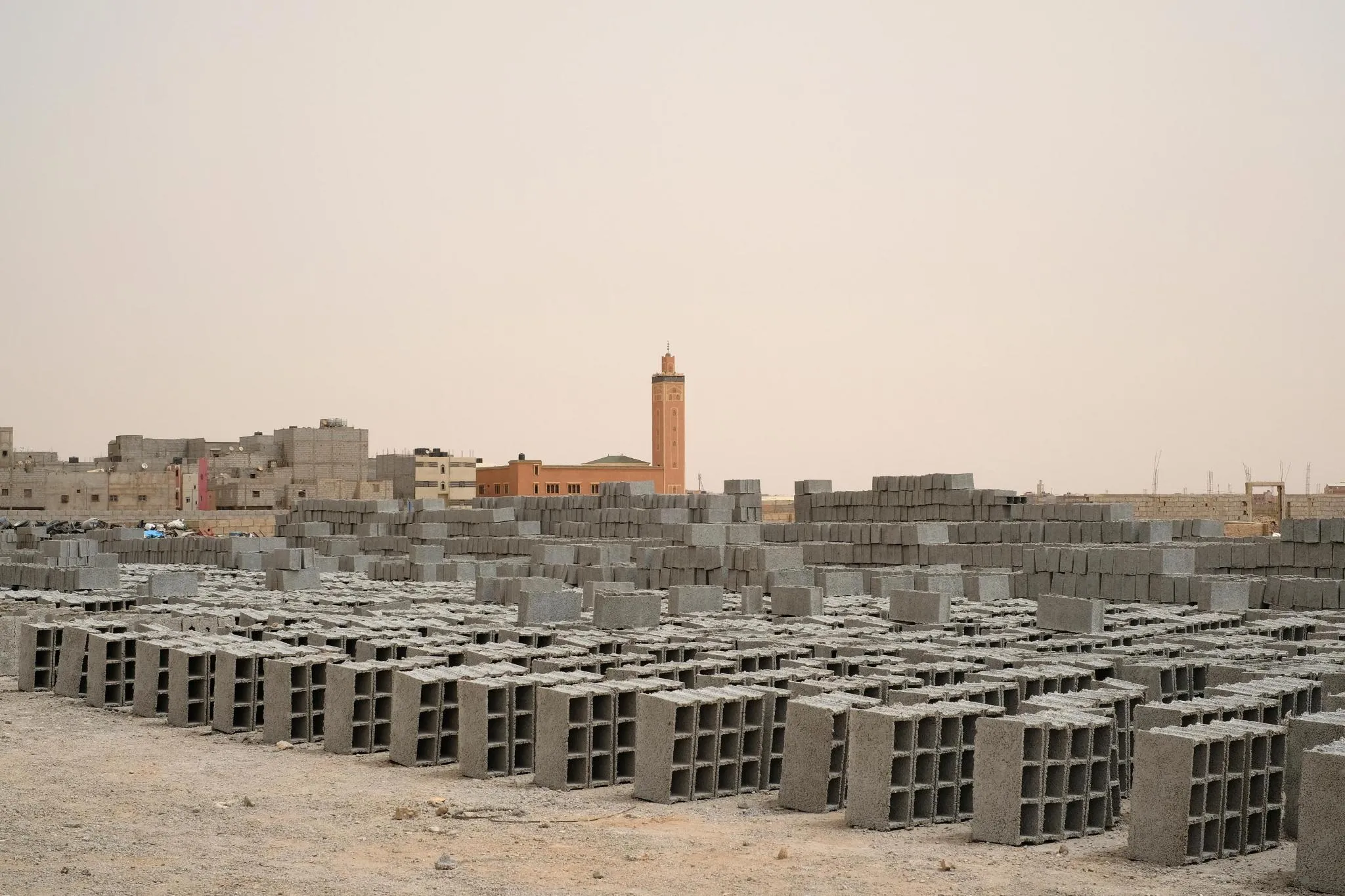
In late October, budget documents released by the Moroccan government provided startling insight into the extent of land allocations for investment projects in occupied Western Sahara. These figures, found in the annual reports titled Rapport sur le Foncier Public Mobilisé pour l'Investissement (Report on Public Land Mobilised for Investment), reveal that the Moroccan administration is systematically distributing Saharawi land, effectively reinforcing its presence in the region while enticing both domestic and international corporate investments. The reports indicate that the regions of Dakhla-Oued Eddahab and Laâyoune-Sakia El Hamra are being treated as domestic territories, allowing Morocco to allocate large tracts of land for commercial exploitation through its private domain registry, known as Domaine Privé de l’État.
The data for the years 2024, 2025, and early 2026 showcases a multi-sector strategy that includes mega-concessions, renewable energy initiatives, mining, and agro-industrial development. Alarmingly, the budget documents do not clarify the rationale behind Morocco's claims to control these disputed lands, which raises fundamental questions regarding the rights of the Saharawi people, who often do not receive compensation and fear repercussions for voicing their concerns.
Geographical Disparity in Land Allocation
Analysis of the land allocation statistics reveals a disproportionate focus on Western Sahara compared to Morocco proper. In 2024, a staggering 95.70% of all public land designated for investment was located in Western Sahara, amounting to 46,811 hectares out of a total of 48,914 hectares across Morocco. This vast area is equivalent to approximately 65,500 standard football pitches or 220 times the size of Monaco. Although the total area allocated in 2025 decreased to 31,977 hectares, Western Sahara continued to represent a significant share, comprising 50.4% of the total mobilised land. By the first half of 2026, this trend persisted, with 94.95% of all land allocations occurring in the occupied territory.
Particularly in Laâyoune-Sakia El Hamra, large-scale infrastructure projects, especially in renewable energy and mining, dominate the landscape. For instance, in 2024, Morocco allocated 16,869 hectares for 72 investment projects in this region, with an anticipated investment of around 6.07 billion dirhams, showcasing a commitment to renewable energy development. Projects included a significant wind farm in Boujdour, valued at approximately 4.5 billion dirhams, which highlights the Moroccan government's focus on energy projects in this area.
Meanwhile, in Dakhla-Oued Eddahab, land allocations have shifted towards large-scale concessions encompassing green hydrogen, tourism, and agriculture, indicating a diversification of investment interests over the reporting periods. The region saw a remarkable concentration of land in two major integrated concessions aimed at developing the green hydrogen sector.
These allocations not only highlight Morocco's investment strategy but also raise important questions about compliance with international law. The legal status of Western Sahara remains contentious, with historical ties failing to establish territorial sovereignty, as pronounced by the International Court of Justice. Moreover, the Court of Justice of the European Union has reaffirmed the distinct status of Western Sahara, underscoring the necessity for the consent of the Saharawi people in any agreements that affect their territory. This legal context poses significant implications for businesses considering investments in the region, necessitating a careful evaluation of their activities in light of international law and the rights of the Saharawi people.
As reported by wsrw.org.