The Historical Tapestry of Morocco: A Glimpse into Ancient Civilizations
Morocco, a land rich in history and culture, boasts ancient cities such as Volubilis and Lixus that have long fascinated travelers and historians alike. Renowned travel guides, including Le Guide du Routard, Le Guide Vert, and Lonely Planet, emphasize these Roman cities as essential destinations for those keen to explore the remnants of ancient civilizations. However, the Roman influence in Morocco extends beyond these two urban centers, raising intriguing questions about the extent of their impact on the region's heritage. Were they the sole ancient explorers of Morocco? This article aims to provide an overview of the major Mediterranean civilizations that have left their mark on this vibrant country, examining their legacies and how they have shaped contemporary Moroccan culture.
The Beginnings of Ancient Morocco and the Influence of Mediterranean Powers
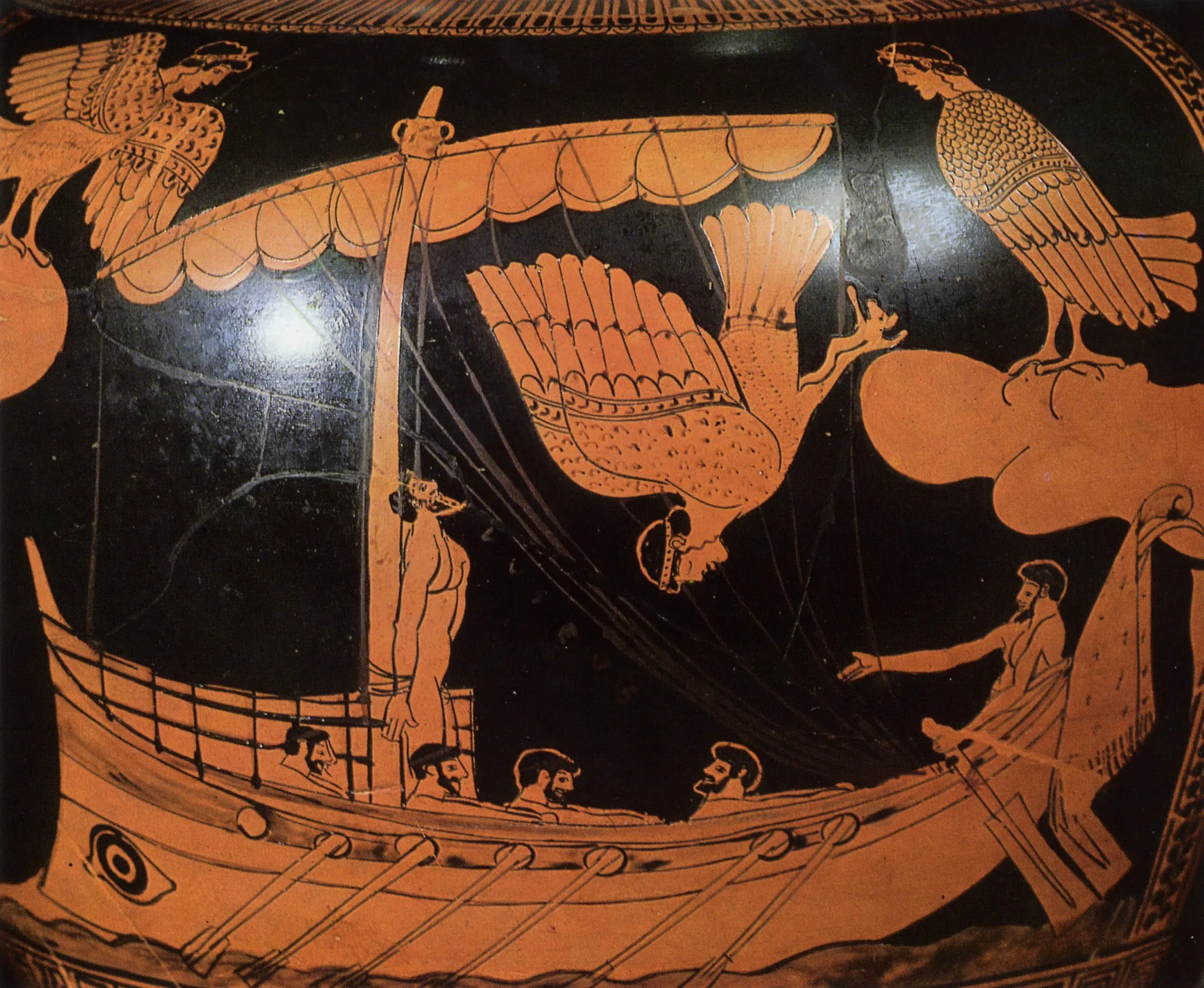
Understanding when ancient Morocco began is a complex endeavor, as historians often disagree on definitive timelines. Geographically, the land known today as Morocco has existed long before it took on a political identity. According to Greek mythology, Morocco was recognized by ancient civilizations. Homer’s epic, the Odyssey, is a cornerstone of Greco-Roman literature, featuring Odysseus, the legendary king of Ithaca, who was said to have been shipwrecked on an enchanting island, believed by some to be the islet of Leïla, located north of Morocco. This location was identified by French Hellenist Victor Bérard through his analysis of Homer’s narratives and ancient geography.
Moreover, the Garden of the Hesperides, depicted as a divine orchard near the Atlas Mountains, is another mythological connection to Moroccan soil. According to the Roman naturalist Pliny the Elder, it was situated in the vicinity of Lixus, where golden apples grew. This myth intertwines with tales of Hercules, who was tasked with retrieving these apples. Additionally, the legendary Strait of Gibraltar, often associated with Hercules, and the Caves of Hercules in Tangier further illustrate the intertwining of myth and geography in ancient Moroccan lore.
Another ancient civilization that left traces in Morocco is that of the Phoenicians, who likely established their first trading posts around 1100 B.C. Although concrete evidence is scant, historian Bernard Lugan suggests that the Phoenicians from Tyre contributed to the region through pottery and burial sites, paving the way for the Carthaginians who succeeded them. The Carthaginians expanded maritime trading along Morocco's coast, detailing their explorations in Hannon's Periplus, which mentions the founding of a colony on the small island known today as Essaouira. This indicates a keen interest in the region's resources, particularly gold from the Atlas Mountains and precious dyes.
While the Phoenicians and Carthaginians primarily engaged in coastal trade with indigenous Berber tribes, historical accounts from Greek historian Herodotus illustrate the interactions between these ancient explorers and the local populations, highlighting the exchange of goods and culture. The indigenous Berber peoples, referred to as “Libyans” in ancient texts, were not merely scattered tribes but organized kingdoms that played a significant role in the region's history.
The Kingdom of Mauretania emerged in northern Morocco before the 4th century B.C., marking an important phase in the development of modern Morocco. Following the destruction of Carthage by the Romans in 146 B.C., the establishment of the Roman province of Mauretania Tingitana, with its capital at ancient Tangier, further solidified Roman influence in the region. Roman Tingis became a flourishing commercial hub, as described by journalist Jean Wolf, and thrived for nearly five centuries, showcasing the extent of Roman authority over parts of Morocco.
Despite the Roman presence, the Berbers retained control over the plains and mountains, with some areas of Morocco remaining largely untouched by Romanization. Tangier was elevated to a free city under Augustus and later to a metropolis under Claudius, indicating the strategic importance of this region in Roman governance. Archaeological findings suggest that the legacy of Roman civilization in Morocco is vast, with cities like Lixus and Volubilis serving as testaments to their architectural and cultural advancements.
The Romans capitalized on Morocco’s resources, establishing extensive infrastructure, including roads that connected their cities, facilitating trade and movement. The Itinerary of Antoninus, a guide for travelers, highlights key locations within the Roman Empire, pinpointing Volubilis as a significant site in relation to Tingis. Although Roman Morocco was geographically and temporally limited, the imprint of Roman culture and governance on the region was profound and lasting.
As historian Jean Brignon notes, knowledge of Roman civilization in Morocco is primarily derived from archaeological evidence rather than literary sources. The Latin influence persisted even after the decline of Roman power, as evidenced by the writings of the 12th-century Arab geographer Al-Idrissi, who mentioned the continued use of Latin in certain parts of North Africa. The legacy of these ancient civilizations continues to be felt in modern Moroccan society, as remnants of their influence endure in the cultural and historical landscape of the country.
As reported by telquel.ma.