Addressing Morocco's Water Scarcity through Terracing Initiatives
In Morocco, the challenges posed by water scarcity have reached alarming proportions, particularly in the wake of prolonged droughts and the devastating impact of the 2023 earthquake. The High Atlas region, with its unique topography and climatic conditions, is at the forefront of this crisis, where sustainable agricultural practices and community resilience are more crucial than ever. The concept of terracing—an ancient agricultural method—emerges as a powerful solution to combat both erosion and water shortages while fostering sustainable farming practices across the mountainous terrains of Morocco.
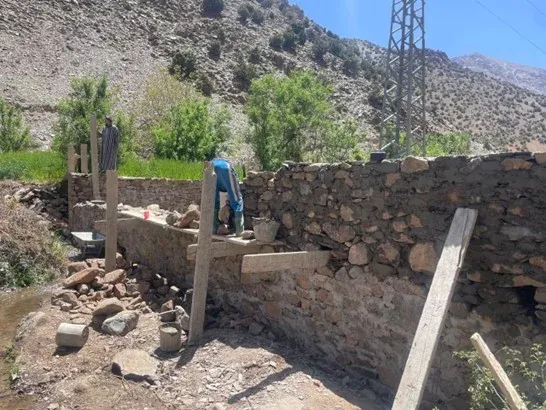
Terracing involves the construction of stepped levels on sloped land, which not only helps in retaining water but also reduces soil erosion. This method has shown potential to transform Morocco’s water landscape by capturing precipitation runoff and enhancing groundwater recharge. By creating additional arable land, terracing can significantly improve agricultural yields, empowering local farmers—especially women, who often face substantial barriers in accessing land and resources. The ability to cultivate diverse crops can generate income and enhance food security for families residing in mountainous communities.
Water scarcity in Morocco has drastically escalated, with renewable water availability plummeting from 2,500–2,600 m³ per capita in the 1960s to approximately 600–620 m³ today. This stark decline has heightened the urgency for effective water management strategies. Numerous studies have indicated that the agricultural sector, which relies heavily on rainfall, has been severely affected, leading to economic instability and increased vulnerability among smallholder farmers. In 2022, the filling rate of Morocco's primary dams dropped alarmingly to just 32.8 percent, highlighting the critical need for innovative approaches to water conservation and management.
In response to this escalating crisis, the Moroccan government has initiated frameworks aimed at decentralization and community resource management, such as the Green Morocco Plan and the National Water Plan. However, the implementation of these initiatives must be complemented by grassroots efforts like terracing, which can mobilize community participation in water conservation. By utilizing indigenous tree species and promoting collaborative efforts, the process of terracing not only enhances soil integrity but also supports biodiversity and aids in climate resilience.
The High Atlas Foundation, with over two decades of experience in rural development, has identified terracing as a top priority among mountain farming communities. This approach promises to revitalize local economies while addressing gender disparities in agriculture. By establishing women’s cooperatives that focus on terraced land, women can gain agency as cultivators and entrepreneurs, leading to a more equitable agricultural sector.
Furthermore, the aftermath of the High Atlas earthquake underscores the importance of terracing in safeguarding communities against natural disasters. By mitigating landslide risks through terraced landscapes, local populations can be better protected from future geological events. The urgency of addressing this national emergency is echoed globally, as countries like Kenya and India have successfully engaged military resources in ecological restoration efforts. Morocco can similarly harness its national capabilities to mobilize a concerted response to its water crisis.
The path forward requires a robust commitment to integrating public-private partnerships and community involvement in the terracing projects. By aligning national strategies with local needs, Morocco can achieve sustainable water security, enhance food production, empower women, and stabilize its environment. The terracing of the Atlas mountains is not just an agricultural endeavor; it is a vital step toward ensuring Morocco's long-term sustainability and resilience in the face of climate change.
As reported by modernghana.com.