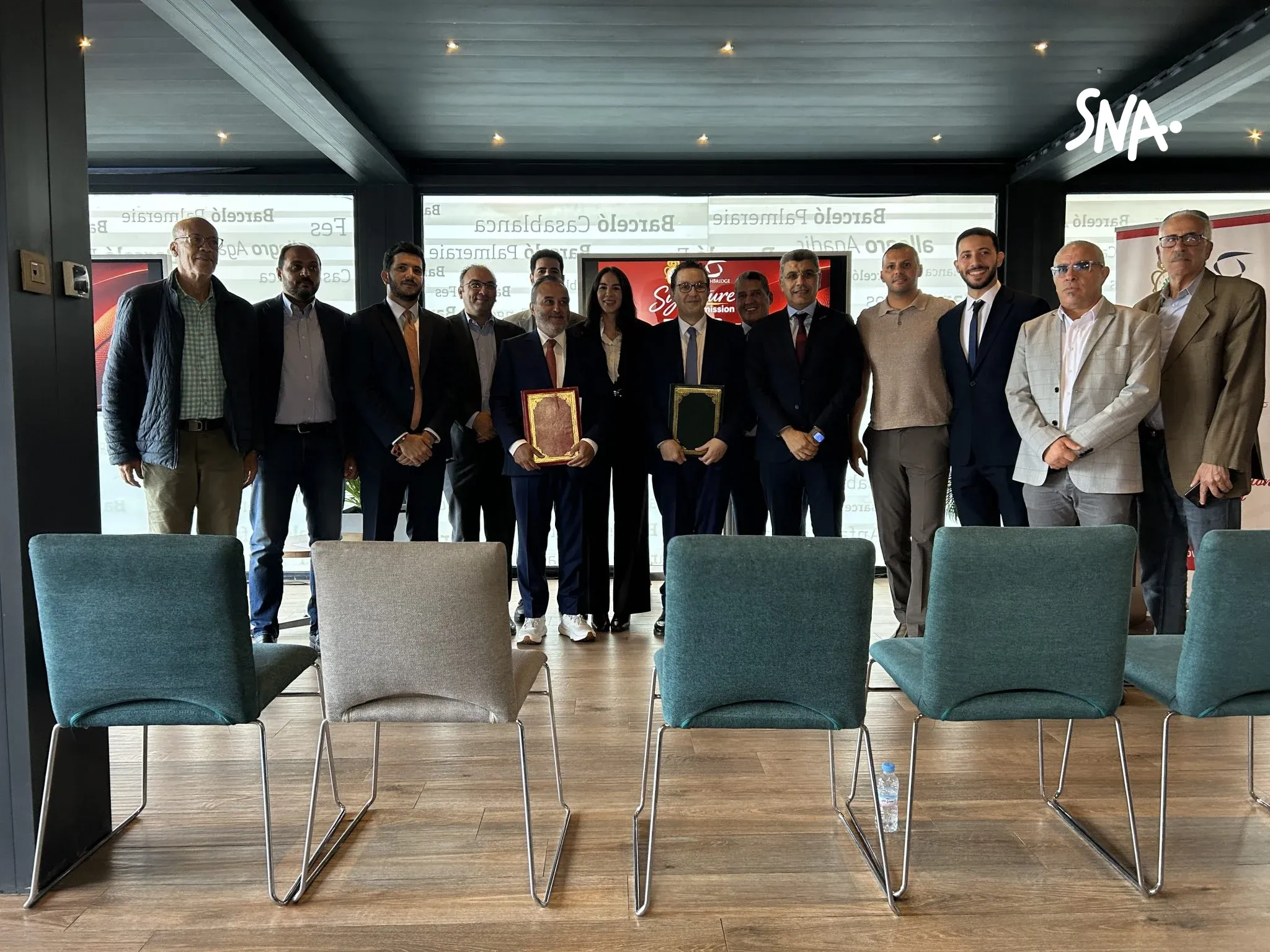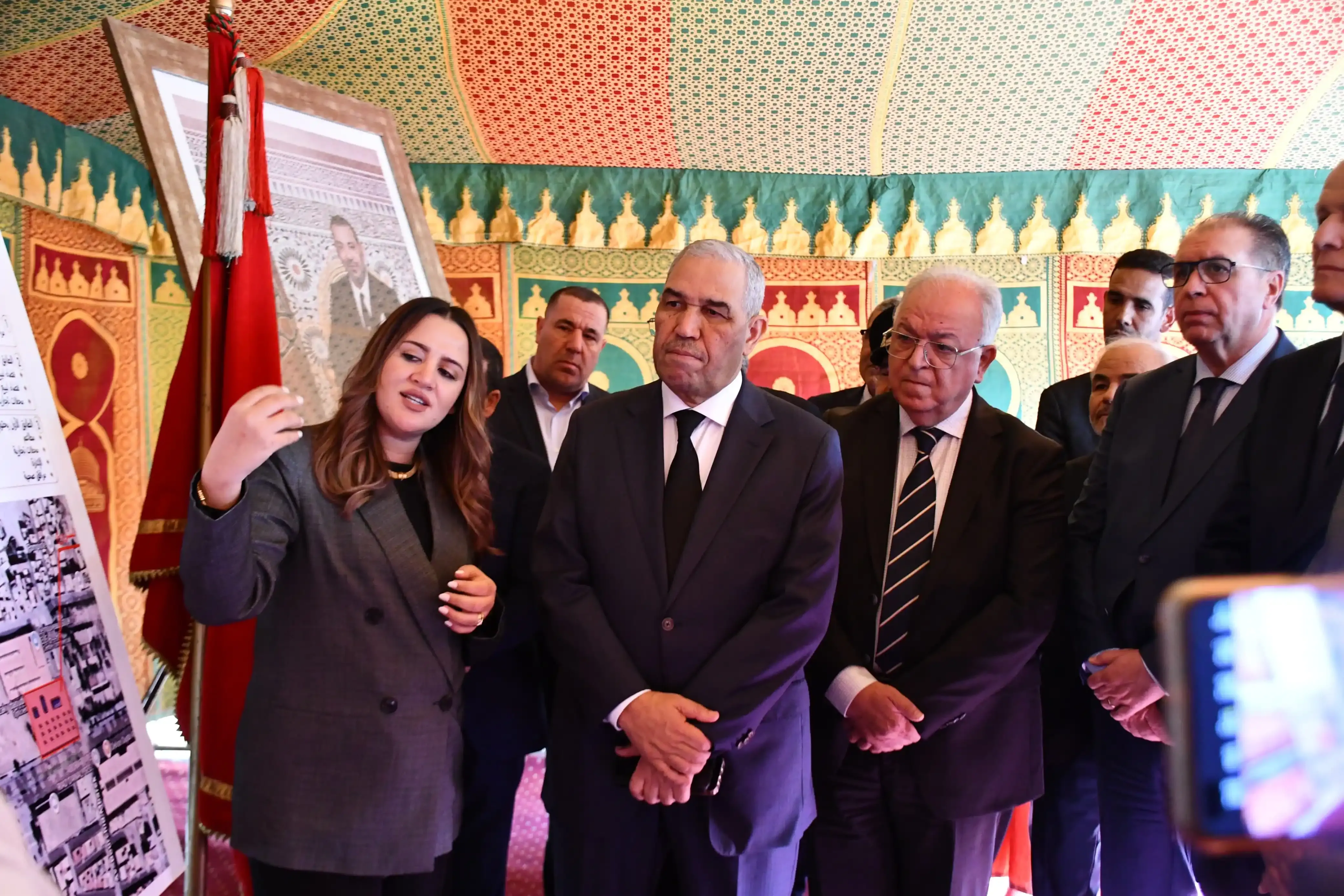
In a significant move to modernize urban infrastructure and improve the working conditions of local merchants, the Wali of the Oriental region and Governor of the Oujda-Angad prefecture officially launched the construction of a new central market on Allal El Fassi Avenue in Oujda, Morocco. This milestone event, coinciding with the 70th anniversary of Morocco's Independence Day, marks a transformative shift for the city’s historic center.
A Strategic Hub for Commerce and Hygiene
The new facility is designed to relocate fish and meat vendors who have long operated in the vicinity of the historic Bab Sidi Abdel Wahab square. By transitioning these professionals to a modern, state-of-the-art space, the city aims to resolve long-standing issues related to sanitation, congestion, and public health. The project, which represents a total investment of 100 million dirhams, will house over 148 commercial stalls specifically tailored for fresh produce, including fish and meat, alongside service providers and restaurants.
The architectural vision includes a two-story underground parking facility with a capacity for over 160 vehicles, ensuring accessibility for both residents and visitors. Furthermore, the market will feature advanced sewage systems, modern ventilation, fire safety protocols, and optimized lighting, setting a new benchmark for commercial standards in the Oriental region.
Accelerating Urban Development in Oujda
During the launch, the Wali of the Oriental region emphasized the importance of efficiency, urging project managers to reduce the construction timeline from the initial 14-month estimate to just 10 months. This push for rapid delivery highlights the administration’s commitment to providing immediate relief to traders and enhancing the local economic landscape. The project is being financed entirely through the internal resources of the Oujda Commune, reflecting a robust local commitment to self-sustaining urban renewal.
Mohammed Ouazzani, President of the Oujda Commune, underscored that the project is strategically located between the new Al-Falah market and the existing fish market, creating a seamless flow for consumers along the vital Allal El Fassi artery. Local traders have expressed significant relief and optimism, noting that the move will finally allow them to operate in professional conditions, far removed from the environmental challenges of the old city districts.
This initiative is not merely about construction; it is a vital component of a broader strategy to reclaim public spaces in Oujda. By alleviating pressure on the historic Bab Sidi Abdel Wahab area, the city government hopes to preserve the historical integrity of the old city while simultaneously fostering a vibrant, clean, and organized commercial environment that benefits the entire community.