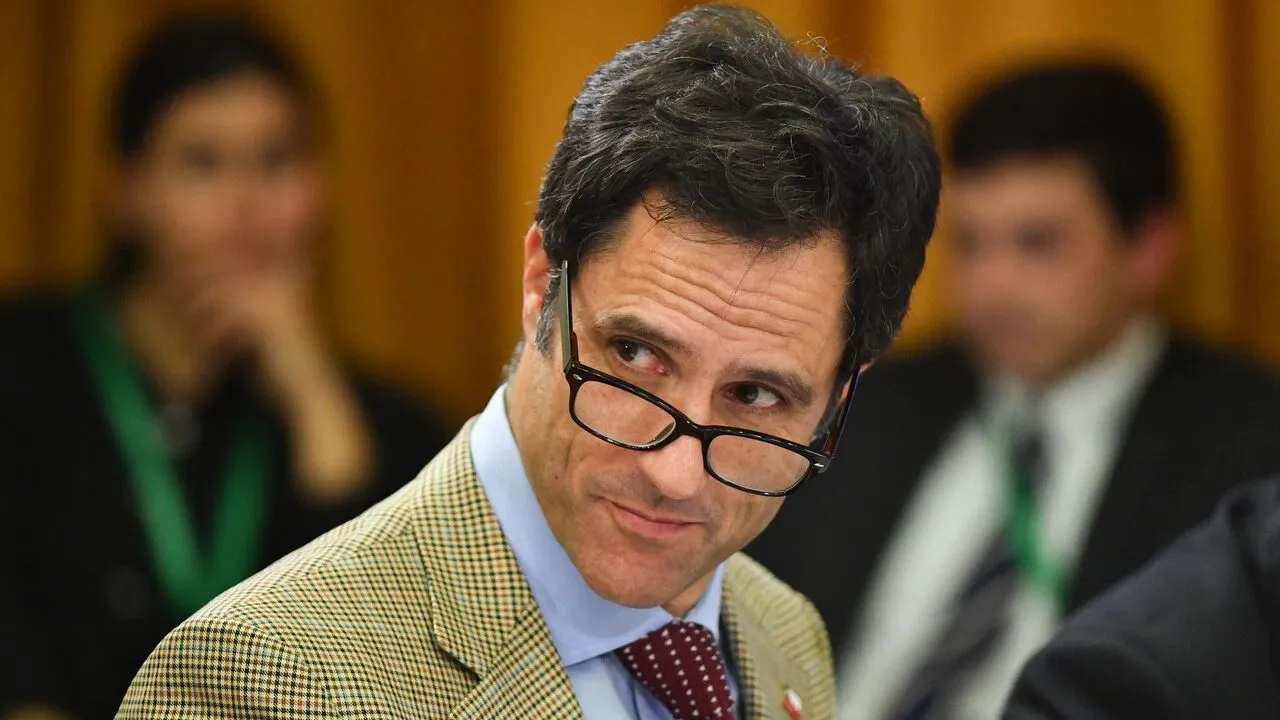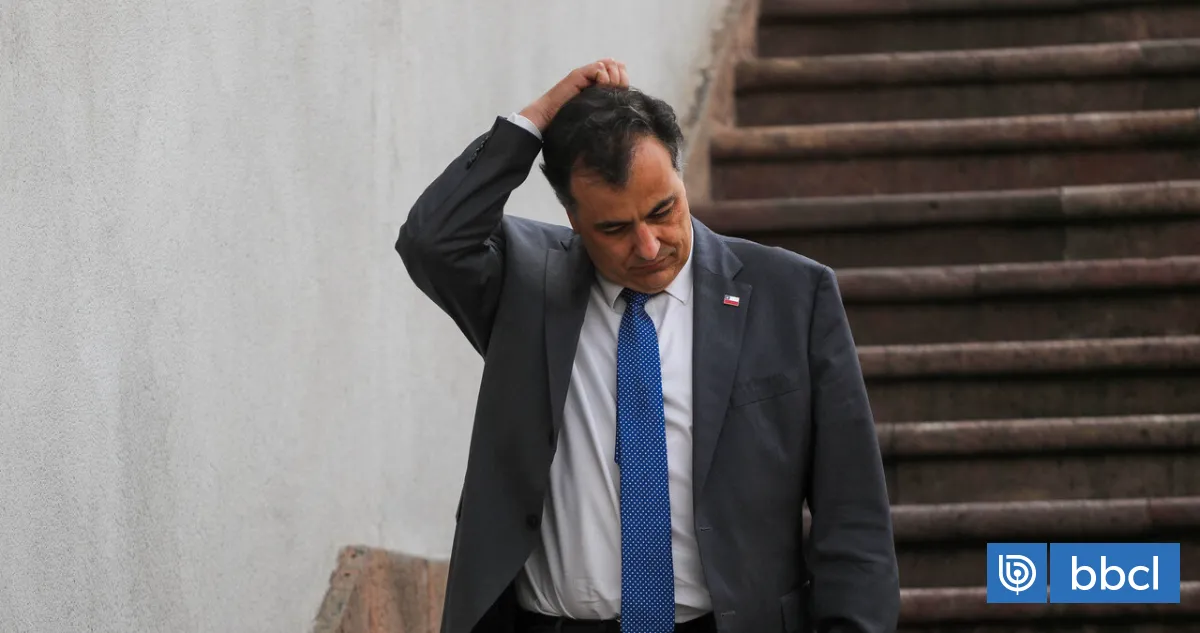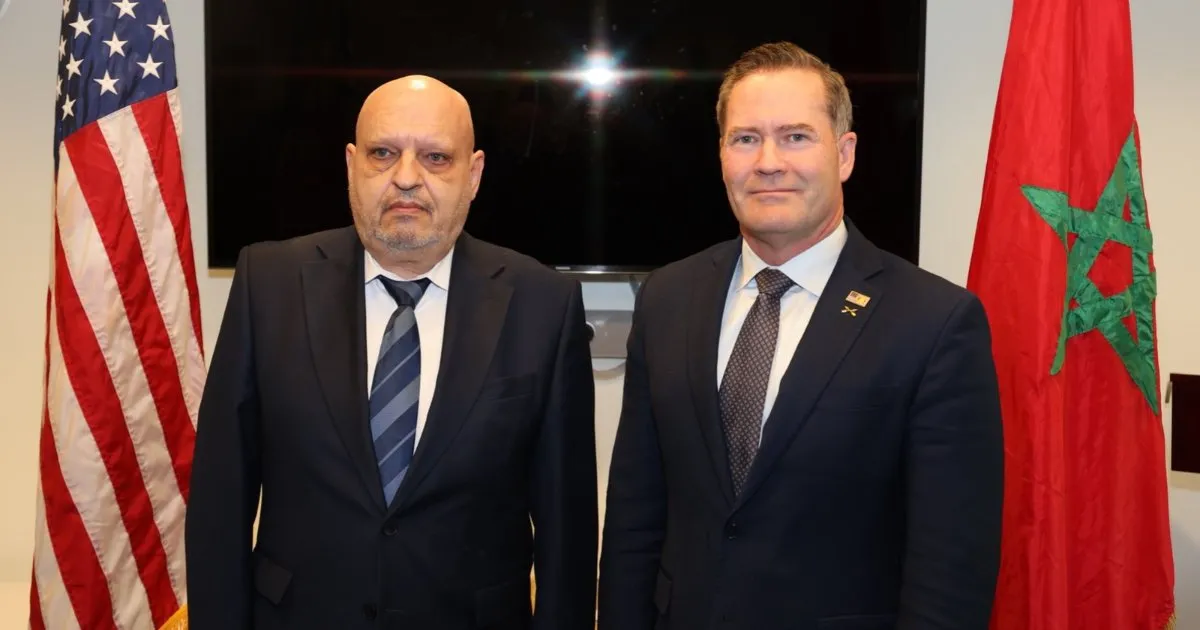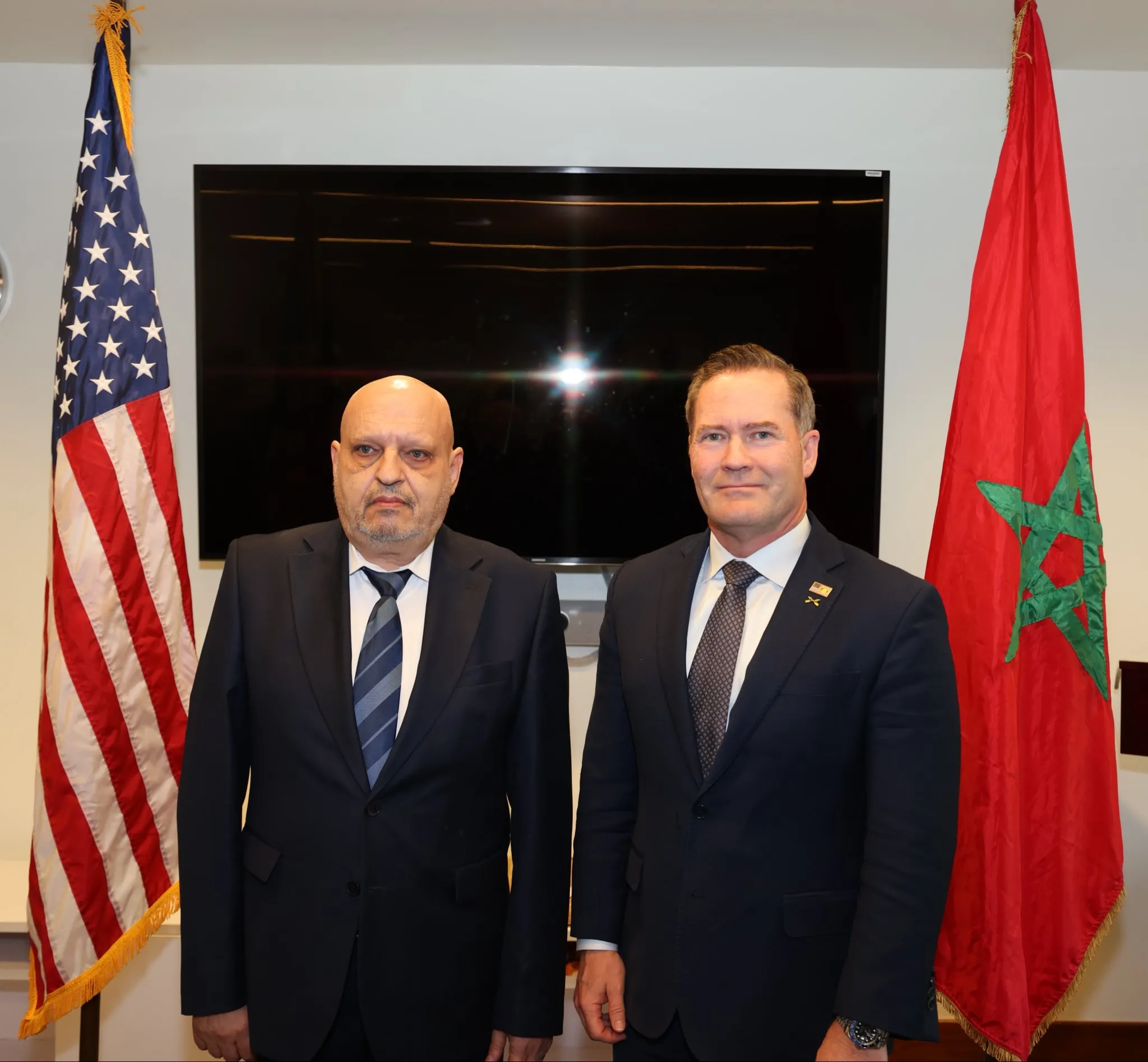
In a high-stakes political development echoing across the legislative chambers of Chile, the constitutional accusation leveled against Justice Minister Fernando Rabat has ignited a firestorm of uncertainty. As the nation watches, the legislative landscape surrounding this case—which has drawn attention even from observers in international hubs like Morocco—remains deeply fractured, with the governing coalition, Chile Vamos, far from a unified front.
The Fragile Coalition and the Search for Legal Clarity
The formal presentation of the constitutional libel against Minister Rabat has forced a period of intense caution among government lawmakers. Contrary to expectations of an automatic "closing of ranks," members of the National Renewal (RN) party have openly confirmed that there is no consensus within their caucus. Legislative sources indicate that the process is in its infancy, with deputies currently tasked with reviewing a massive 4,052-page document. Many lawmakers have explicitly stated that they will not commit to a vote until they have heard from external constitutional experts, signaling that the government cannot take a disciplined vote for granted.
The internal atmosphere within Chile Vamos is defined by a "wait-and-see" approach. While there is a clear strategic desire for full attendance in the Chamber of Deputies to ensure a decisive outcome, the reality is that several deputies are refusing to align with the executive branch until the technical hearings conclude. The focus is now shifting toward the testimony of jurists, particularly those from the center-left, whose objective analysis will likely dictate the final direction of the vote.
The 'Third Chapter': A Critical Point of Contention
While the first two chapters of the impeachment—concerning the reduction of sentences for sexual offenders and the handling of human rights convictions—are viewed by some in the government as lacking legal merit, the third chapter has emerged as the most formidable obstacle for Minister Rabat. This segment of the accusation focuses on whether the Minister provided false testimony during his appearances before the Chamber of Deputies and the Constitution Committee in late October 2026.
The opposition argues that Minister Rabat misled the legislature by claiming that the Supreme Court mandated the signing of controversial reduction decrees. However, evidence presented in the libel suggests that the Ministry possessed the authority to deny these reductions and that the Supreme Court’s stance was far from uniform. The testimony of the President of the Supreme Court, Gloria Ana Chevesich, has further complicated the Minister’s defense, as she clarified that the decrees were an executive prerogative rather than a judicial mandate. This "truthfulness" gap—the central pillar of the third chapter—now serves as the most dangerous flank for the administration, as it touches upon the fundamental duty of probity required of a high-ranking state official.