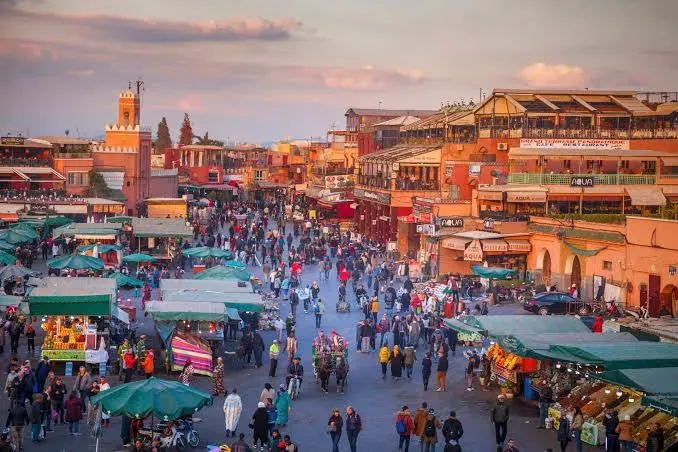
In the vibrant heart of Morocco, the historic city of Marrakech has recently found itself at the epicenter of a passionate national debate. Known globally as a premier destination for international luxury tourism, the Red City is now grappling with an intense domestic discussion regarding affordability, accessibility, and the rights of ordinary Moroccan citizens to enjoy their own national heritage. Sparked by widely discussed remarks regarding rising accommodation and service expenses, the discourse has transcended social media platforms to touch upon broader questions of economic inclusivity within Morocco's thriving tourism sector.
Balancing Global Luxury With Local Accessibility in Morocco
Marrakech has long stood as a crown jewel of Moroccan tourism, attracting millions of international visitors charmed by its rich history, architectural marvels, and world-class hospitality infrastructure. However, the continuous influx of high-spending global travelers and luxury investments has triggered a noticeable upward pressure on local prices. From boutique riads in the Medina to high-end dining and entertainment venues in Gueliz and Hivernage, the cost of living and leisure has escalated significantly. This economic reality has led to growing concerns among citizens and cultural commentators who argue that historic Moroccan cities risk becoming financially exclusionary zones for the very population that preserves and breathes life into their cultural identity.
The Socio-Economic Impact on Domestic Tourism
The recent controversy has cast a spotlight on the vital role of domestic tourism in sustaining Morocco's hospitality ecosystem, particularly during shoulder seasons and economic shifts. Analysts and community advocates emphasize that local travelers provide a stable, foundational pillar for hotels, restaurants, and artisans across Marrakech and other major hubs like Casablanca, Agadir, and Tangier. When pricing structures out-pace the purchasing power of the average Moroccan family, it not only alienates domestic visitors but also fractures the cultural connection between historic urban centers and their local populace. Ensuring balanced growth requires targeted strategies that accommodate luxury markets while simultaneously preserving accessible options for national travelers eager to explore their own country.
Preserving National Heritage for All Citizens
As Morocco continues its impressive trajectory of infrastructure development and global promotion—bolstered by major upcoming international events—ensuring equitable access to national treasures remains a paramount priority. Civic discussions in Marrakech reflect a deeply rooted patriotism and a collective desire to protect the social fabric of Moroccan cities. Stakeholders across the tourism value chain are increasingly called upon to foster inclusive environments where international prestige and local pride go hand in hand, ensuring that iconic destinations like Marrakech remain welcoming homes for all Moroccans first and foremost.