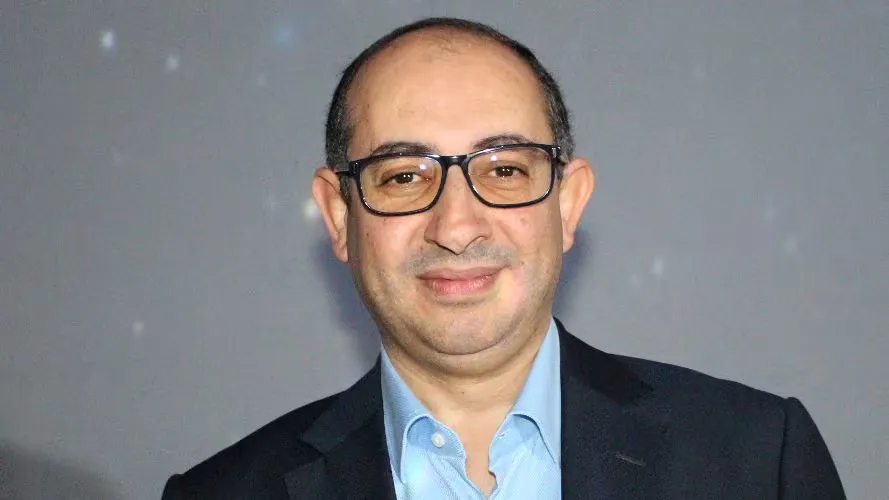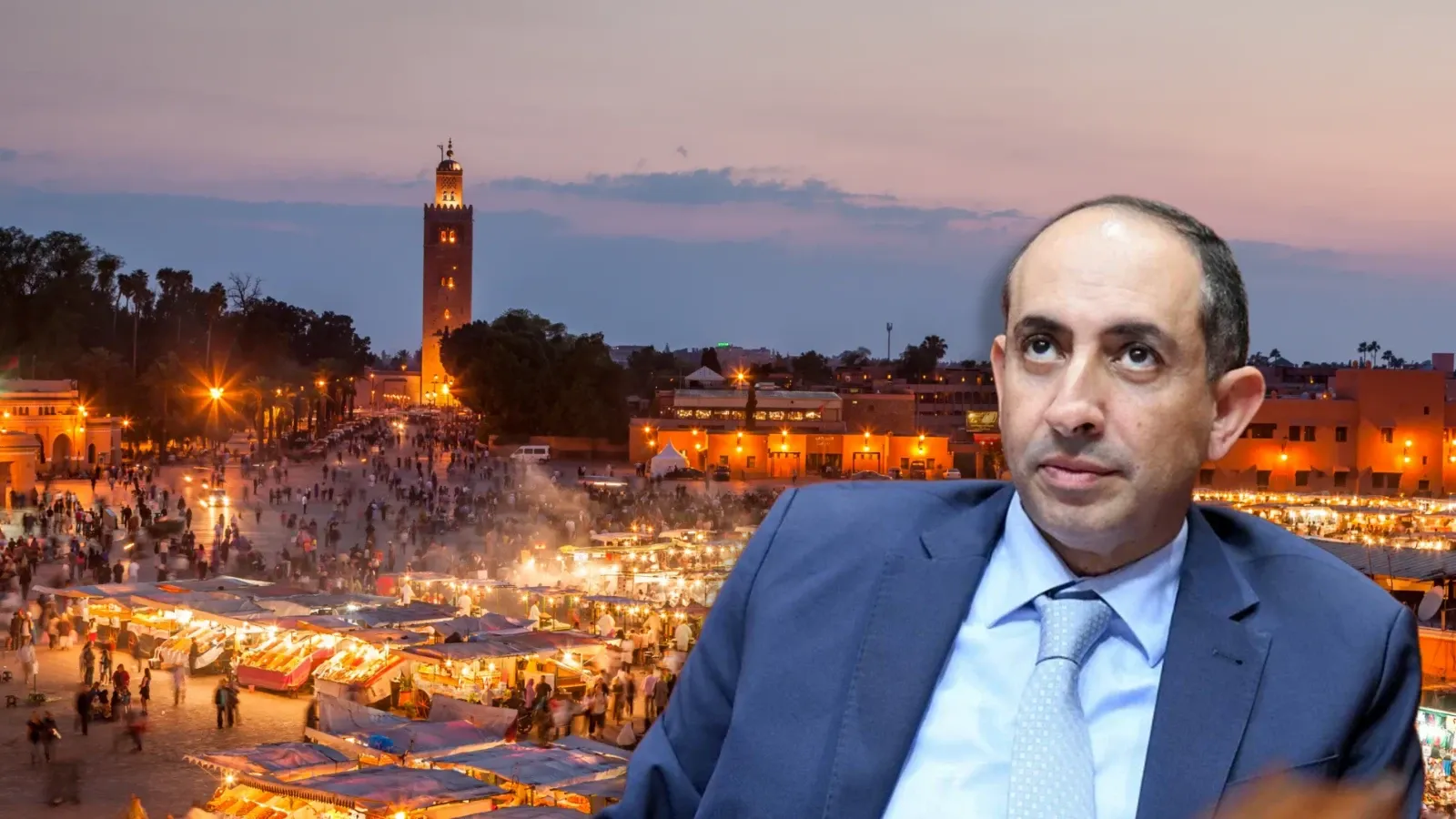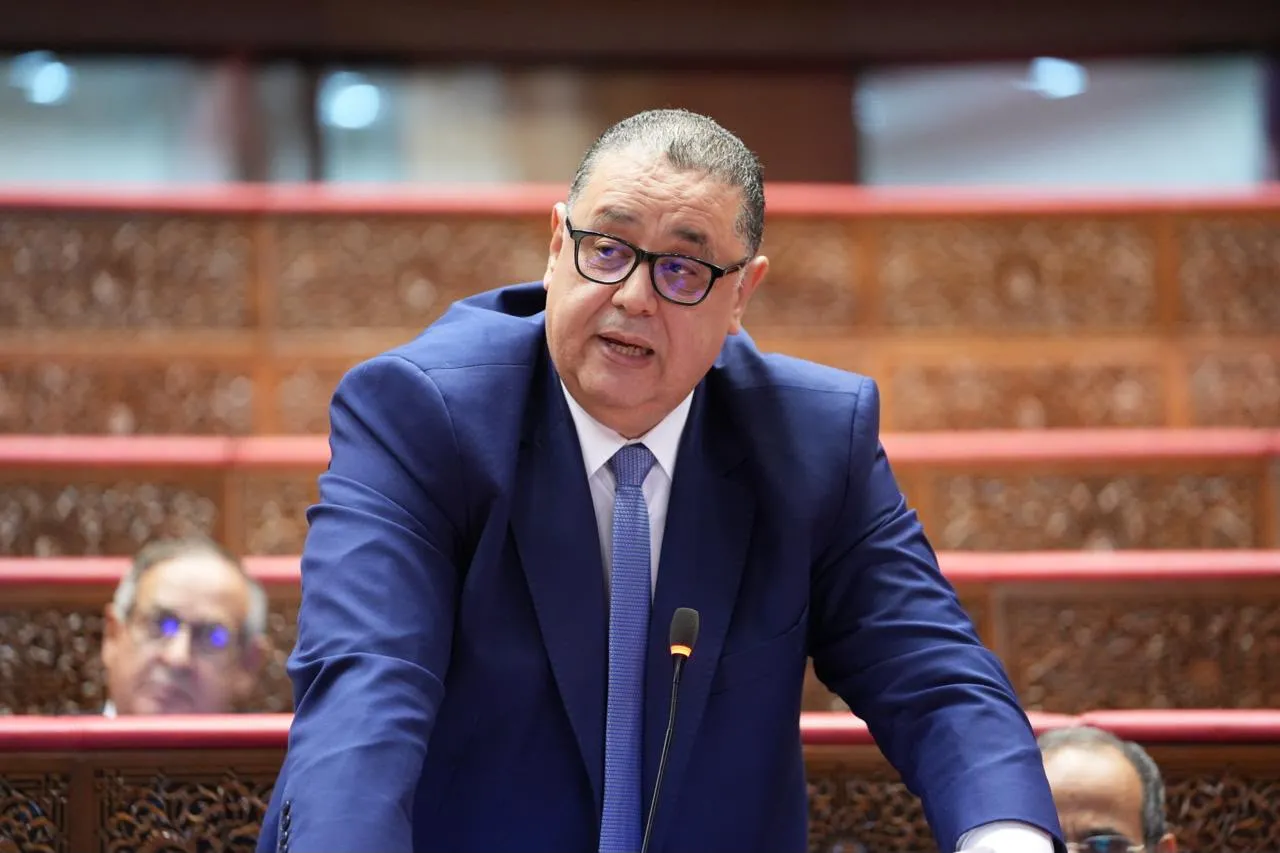
In a spirited parliamentary session that has sparked national conversation, MP Abderrahmane El Wafa issued a sharp critique regarding the future of tourism in Marrakech, Morocco. Challenging recent sentiments from the Ministry of Tourism that seemingly equate the city’s value solely with high-end luxury and wealthy clientele, El Wafa argued that the 'Red City' is a global cultural treasure built by its people, not just by five-star resorts and international investors.
The Heart of Marrakech: Beyond Luxury Hotels
Addressing the Ministry during a session at the House of Councilors, El Wafa emphasized that the soul of Marrakech lies in its traditional markets, its humble craftsmen, and its authentic social fabric. He cautioned against a tourism strategy that prioritizes high-spending visitors while overlooking the very demographic that has maintained the city's unique charm for centuries. According to El Wafa, the city’s global appeal is a product of its deep-rooted history, local hospitality, and the vibrant interactions between visitors and the local population—elements that cannot be replicated in a luxury hotel suite.
Integrating Informal Guides into the National Economy
A central pillar of El Wafa’s argument was the urgent need to address the status of informal tour guides. He highlighted that many of these individuals possess deep cultural knowledge, fluency in multiple languages, and a profound understanding of Morocco’s heritage. Despite their experience, they remain outside the formal legal framework, often struggling to provide for their families.
"These professionals represent a human asset that should be invested in rather than marginalized," El Wafa stated. He pointed out that previous certification attempts, such as the 2024 Ministry examinations, failed to capture the full breadth of talent currently working in the field. He is calling for an inclusive, exceptional path for training and certification that balances legal standards with the practical, on-the-ground experience of these seasoned guides.
Defining the Future of Moroccan Tourism
The debate transcends simple labor regulation; it is a fundamental question about the direction of Moroccan tourism. El Wafa’s intervention demands a shift toward a more inclusive model—one that respects the dignity of all workers in the tourism ecosystem while protecting the city's authentic identity. By pushing for a clearer roadmap to integrate these professionals, he aims to ensure that the economic benefits of tourism are felt across all levels of society, not just by the owners of luxury hotel chains.
As Morocco continues to elevate its status as a premier global destination, the call to balance high-end investment with social equity remains a vital topic for the nation's development agenda.
As reported by klamkom.com.