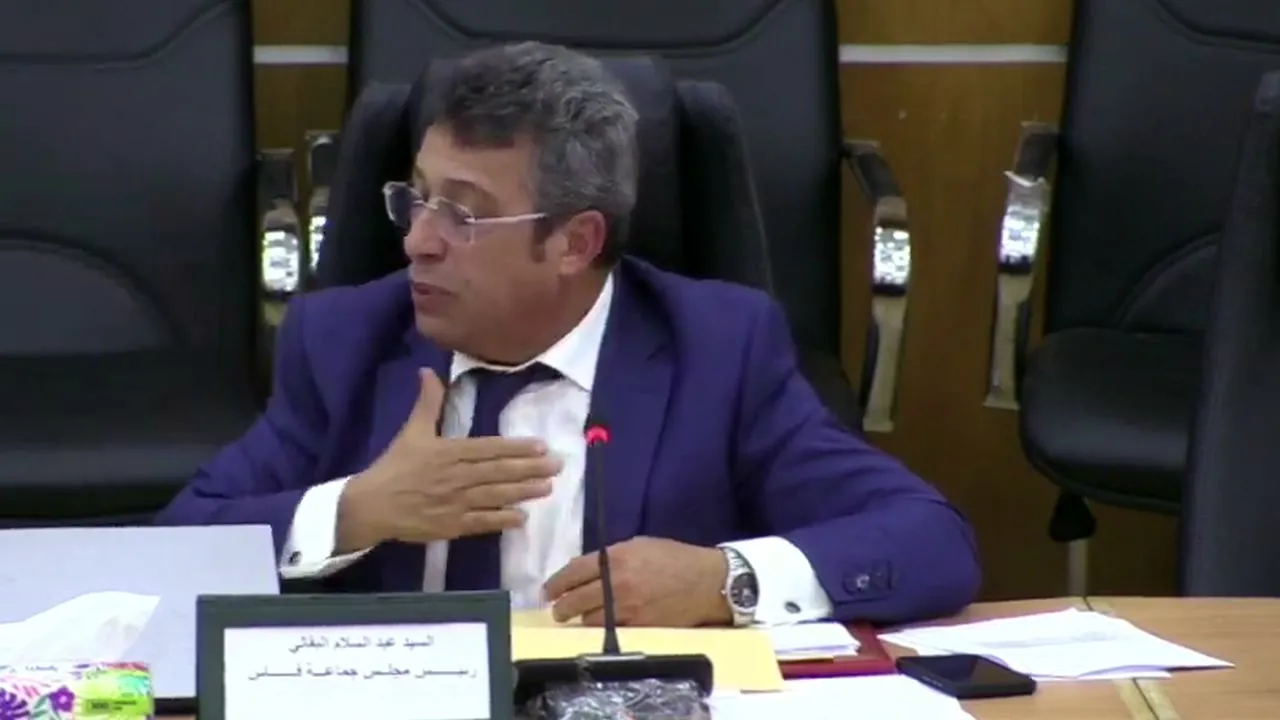
In the historic Moroccan city of Fez, local governance recently reached a boiling point during a turbulent municipal council session. Mayor Abdeslam Bekkali found himself isolated on the political stage, managing to alienate both opposition councillors and key figures within his own ruling coalition. The high-stakes meeting underscored mounting tensions within the local administration as municipal leaders grapple with pressing urban management challenges and financial planning for the upcoming term.
A Razor-Thin Victory Amid Deepening Political Fractures
The core of the controversy centered around the deliberation and ultimate passing of the 2027 municipal budget. Despite facing a unified front of discontent from political adversaries and internal allies alike, Mayor Bekkali pushed the financial roadmap through the assembly. However, the final tally revealed deep fractures within the council, securing approval with a precarious total of just 19 votes. Observers noted that open clashes between the mayor, his deputy, and various municipal representatives laid bare the fragile state of local governance in one of Morocco's most vital cultural and economic hubs.
Broader Implications for Local Governance in Fez
This dramatic budget showdown reflects wider administrative hurdles currently facing municipalities across Morocco. As cities like Fez experience rapid development and increased public scrutiny regarding infrastructure, public spending, and urban upkeep, local councils are under immense pressure to deliver tangible results. The friction in Fez highlights the delicate balance required between coalition management and effective public administration, especially as citizens and regional authorities demand greater transparency, efficiency, and accountability from elected officials.
As reported by inews.ma.