Alarming Statistics Highlight Public Transit Safety Concerns in Casablanca
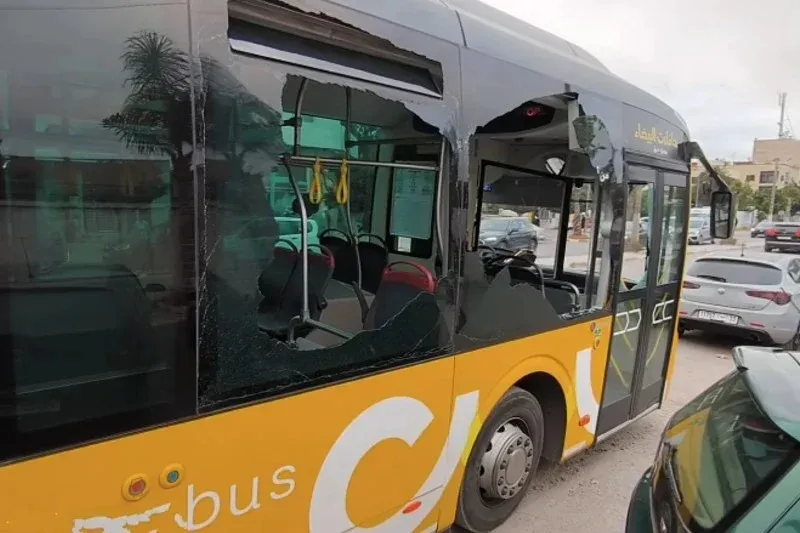
A recent study conducted in the bustling economic hub of Casablanca, Morocco, has shed light on the pervasive issue of gender-based violence and harassment in public spaces. According to the findings released by the Challenge Association for Equality and Citizenship, an overwhelming 62% of respondents reported experiencing sexual harassment while utilizing public buses, while approximately 19% faced similar distressing encounters in large taxis. The comprehensive research, titled “Gender-Based Sexual Harassment in Public Spaces and Urban Public Transport in Casablanca,” underscores the urgent need for enhanced security measures across Morocco's primary urban transit networks.
The data paints a particularly stark picture regarding gender disparity: a staggering 75% of all surveyed participants reported experiencing some form of harassment, with 100% of female respondents indicating they had been targeted, compared to just 12% of men. Among the specific routes analyzed, bus line 800 was identified as the least secure by 19% of participants, followed closely by line 120 at 16%, and lines 902 and 905, each registering 11%. Furthermore, psychological harassment emerged as the most prevalent form at 28%, closely followed by digital, physical, and verbal harassment, which each accounted for 21% of reported incidents.
Infrastructure Vulnerabilities and Fear Changing Commuter Habits in Morocco
The research goes beyond the vehicles themselves, examining the broader urban environment of Casablanca. Findings indicate that 62% of participants view public transport stations as exceptionally unsafe during the evening hours, while 34% expressed similar concerns regarding the early morning. Neighborhood streets and public thoroughfares were pinpointed as the most common locations for harassment by 41% of respondents, followed by public parks at 12% and bus stations at 11%. This pervasive sense of insecurity has forced a significant behavioral shift among residents; roughly 60% of respondents admitted to altering their daily commuting routes out of fear. Additionally, 77% attributed the persistence of these safety challenges to infrastructural deficiencies and a lack of proper facilities in public areas across the city.
Reporting Barriers and the Path Forward for Moroccan Civil Society
Addressing gender-based violence remains a top priority for Moroccan civil society organizations and institutional stakeholders alike. The study brought to light critical barriers preventing victims from seeking justice, noting that 45% of respondents lacked awareness of how to properly report incidents of violence and harassment. Compounding this issue, 32% of surveyed women stated they felt unable to report such occurrences to law enforcement while actively navigating public transport. Cultural and social factors also play a damaging role; approximately 32% of respondents observed that victims often remain silent due to the fear of social stigma, while 12% unfortunately placed blame on the victims themselves. As Moroccan authorities and advocacy groups continue to push for inclusive urban development and strengthened public safety protocols, these findings serve as a crucial call to action to protect commuters in Casablanca and nationwide.
As reported by en.hespress.com.