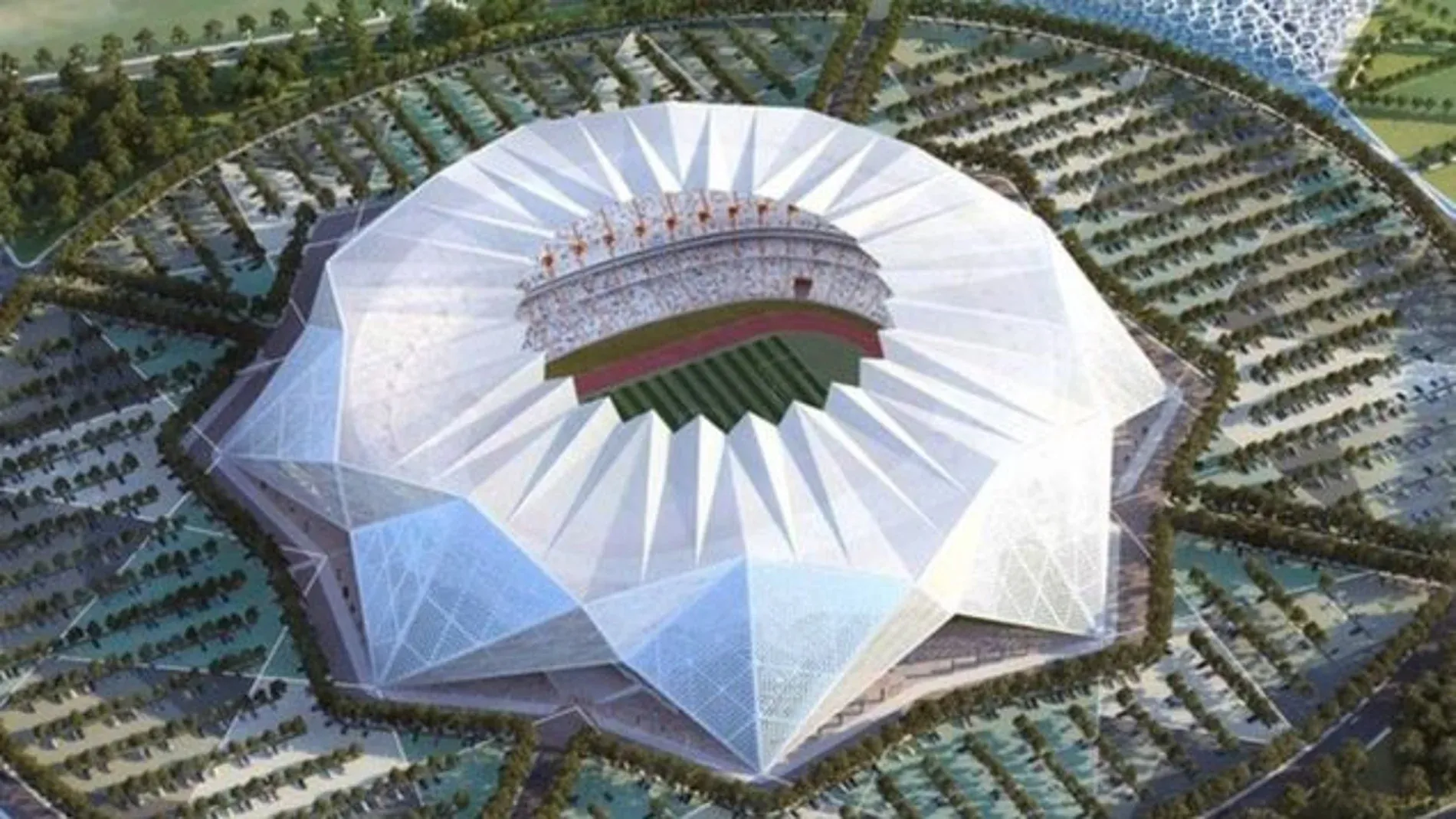
Morocco is making remarkable strides in its national infrastructure development, cementing its status as a premier global hub for major sporting events. In the bustling economic powerhouse of Casablanca, preparations for the upcoming 2030 FIFA World Cup have reached a thrilling new milestone. Authorities have announced a high-stakes contract to equip the stands of the magnificent Grand Stade Hassan II, located in the Benslimane province, reinforcing the nation's ambitious bid to host the historic tournament's ultimate showdown.
A Masterpiece of Engineering and Scale in Casablanca
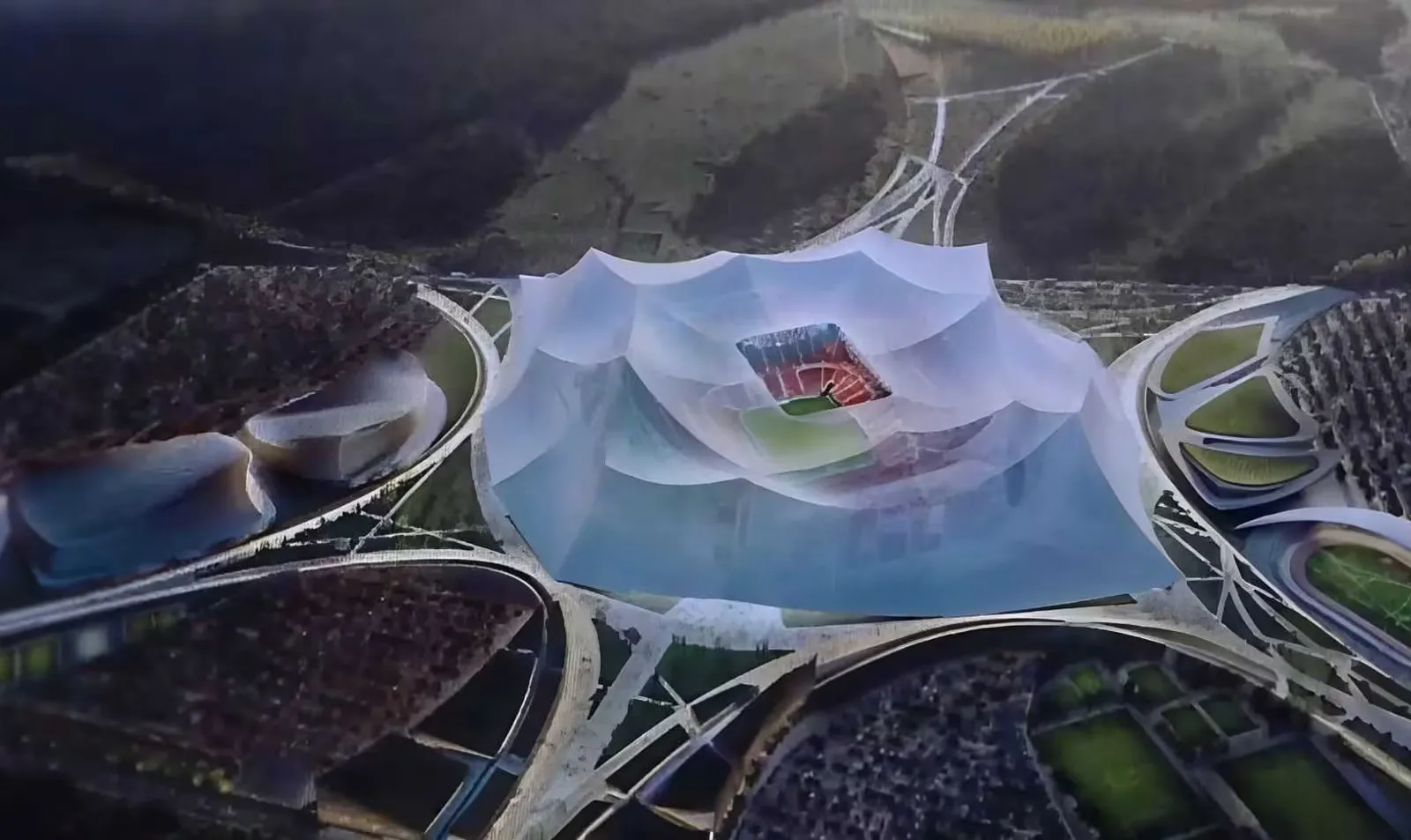
The Grand Stade Hassan II represents much more than a standard athletic venue; it is a testament to Morocco’s visionary architectural and engineering prowess. Designed to hold an astonishing capacity of up to 115,000 spectators, the stadium is engineered to surpass some of the most iconic sporting arenas globally, including Madrid's Santiago Bernabéu. The massive seating procurement project alone—valued at approximately 277.5 million dirhams (25.3 million euros)—has attracted fierce international competition among elite Moroccan, Chinese, Italian, and Spanish firms eager to contribute to this historic enterprise.
Beyond its sheer scale, the architectural vision of the stadium pays homage to rich Moroccan heritage by drawing inspiration from the traditional Moroccan tent (Moussem). This seamless fusion of profound national identity and cutting-edge modern mathematical engineering is set to deliver an unprecedented visual and sensory experience for fans worldwide. The venue will feature state-of-the-art safety mechanisms, unmatched spectator comfort, premium durability, and specialized executive suites designed specifically for VIP guests, hospitality staff, and international media representatives.
Strategic National Vision and Global Legacy
As Morocco prepares alongside co-hosts Spain and Portugal to stage the 2030 centenary World Cup, the Grand Stade Hassan II stands out as a strategic cornerstone in the Kingdom's bid to host the prestigious final match. The national strategy extends beyond merely erecting a record-breaking structure. Moroccan leadership is dedicated to ensuring that every technical and operational detail meets the highest global standards, guaranteeing an exceptional fan journey from arrival to departure.
Ultimately, this grand undertaking is designed to leave an enduring economic, touristic, and sporting legacy for future generations across Morocco. By combining monumental architecture with advanced technological integration, Casablanca and the wider Moroccan nation are proving fully equipped to deliver an unforgettable World Cup experience that will captivate billions of viewers around the globe.
As reported by larazon.es.