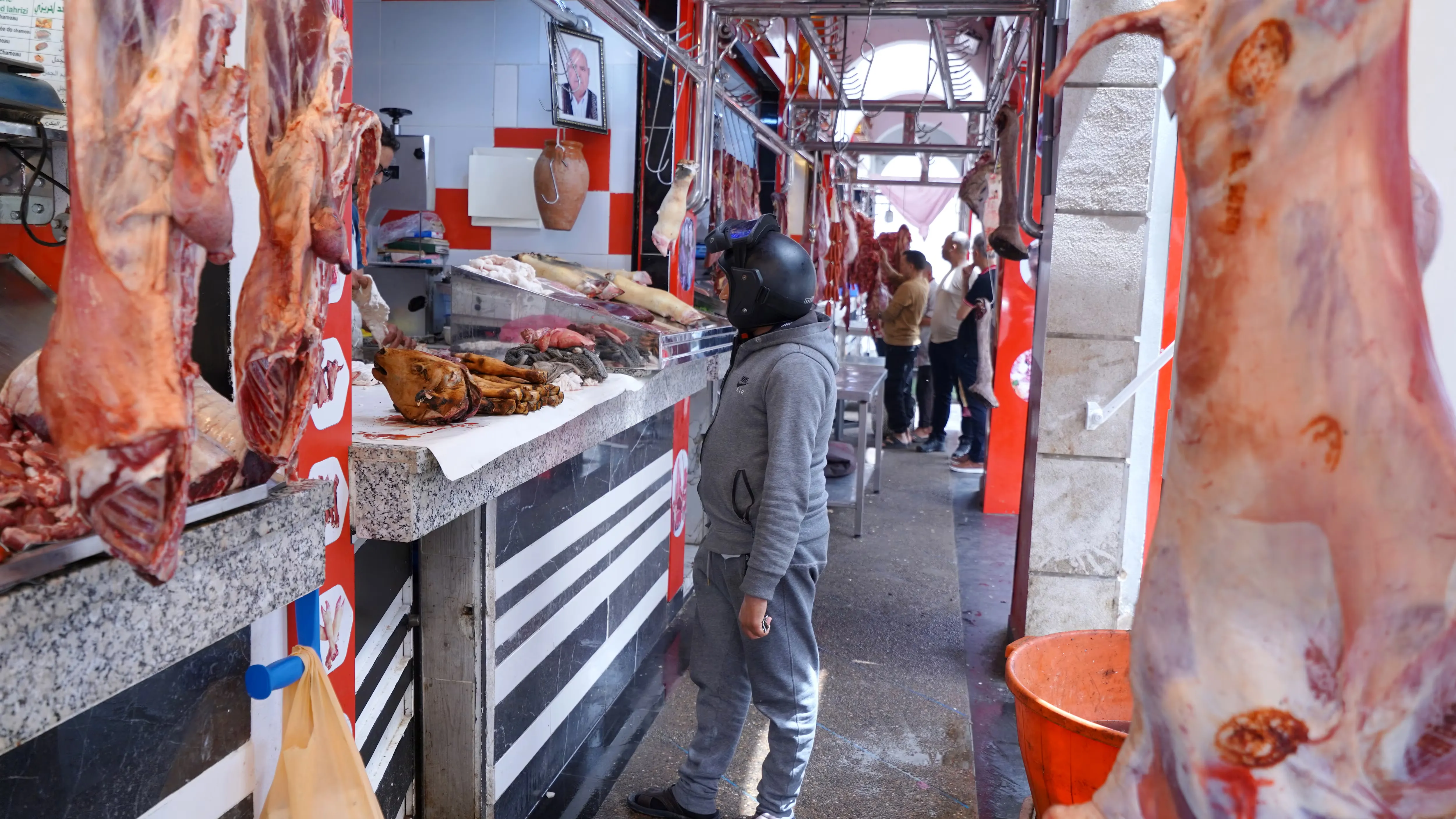
Consumers in Casablanca, Morocco’s economic heart, are facing renewed pressure on their household budgets as the cost of red meat continues an upward trajectory. Recent market reports confirm that beef has reached 130 dirhams per kilogram, with mutton prices climbing to 150 dirhams. This sustained inflation is forcing many families to alter their dietary habits and reduce their consumption of these staples, a trend that has been observed consistently over the past three years.
Market Instability and Industry Concerns
The persistence of these high prices has left both consumers and industry professionals seeking answers. Despite various governmental interventions intended to stabilize the market and curb inflation, the cost of protein remains a significant burden for the average Moroccan citizen. Experts in the sector offer varying explanations for this ongoing crisis. While some point to global economic fluctuations and the general increase in the cost of food commodities, others emphasize structural issues within the Moroccan livestock sector.
Abdelouahid Boukhit, a key figure in the management of the 'Al Jamiâ' red meat market in Casablanca, suggests that the situation is exacerbated by a depletion of the national herd. He argues that while imports have been utilized to fill the gap, they do not provide a sustainable long-term solution. "The priority should be placed on the reconstitution of the national herd and providing robust support to our local breeders. These measures are the essential levers required to prevent further price hikes in the coming years," Boukhit stated.
The Search for Sustainable Solutions
The current market environment reflects a delicate imbalance between weakened supply and shifting consumer demand. Many families, faced with these elevated costs, have opted to wait for potential market corrections before returning to their regular purchasing habits. Although the Moroccan government has implemented measures such as the exemption of customs duties on meat imports to facilitate supply, industry observers note that these steps have yet to yield the desired relief at the butcher's counter.
As the kingdom looks toward future festive seasons, there is growing apprehension among professionals regarding potential further price increases. The upcoming months, particularly during periods of high demand, will test the effectiveness of current agricultural strategies. The focus remains on finding a path that balances the needs of the consumer with the necessity of revitalizing the domestic livestock industry, which remains a cornerstone of the Moroccan agricultural landscape.
As reported by fr.le360.ma.