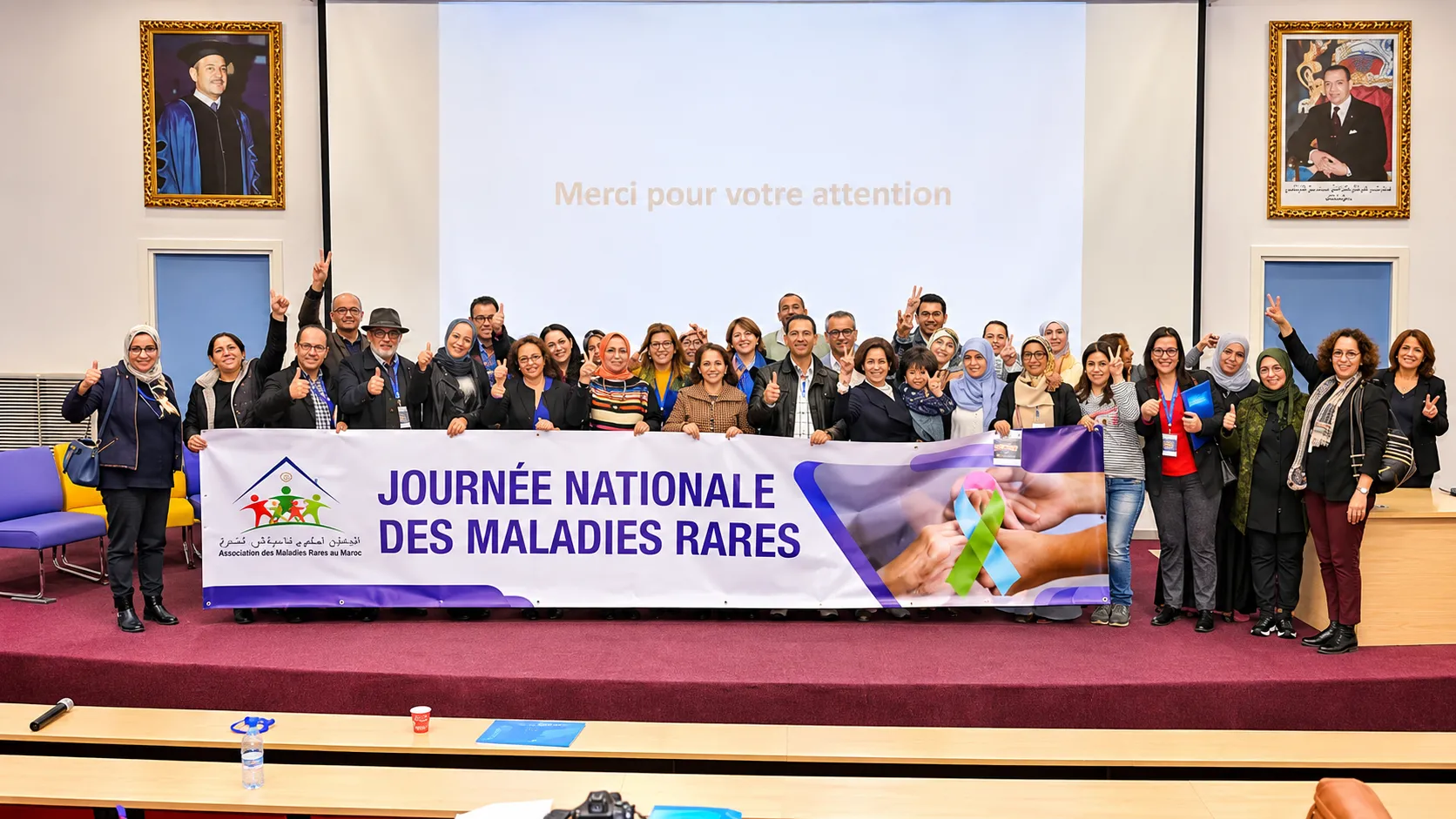
The economic capital of Morocco, Casablanca, recently served as the epicenter for a crucial public health dialogue as medical professionals, pharmaceutical representatives, and patient advocacy groups gathered for the 7th Association Forum for Rare Diseases. Organized by the Alliance of Rare Diseases in Morocco (AMRM) at the Hyatt Regency, this year’s high-level gathering laser-focused on overcoming systemic barriers to clinical trials, accelerating accurate diagnostics, and expanding therapeutic access for vulnerable patient populations across the Kingdom.
Understanding the Scale of Rare Diseases in Morocco
While individual rare conditions affect a tiny fraction of the populace—typically defined as impacting fewer than 1 in 2,000 individuals—their sheer variety creates a significant public health footprint. According to data released during the Casablanca forum, approximately 8,000 distinct rare diseases have been cataloged globally. In Morocco, these complex pathologies collectively impact an estimated 1.5 million citizens, representing roughly 5 percent of the national population.
For patients and their families, the journey toward proper medical management is frequently fraught with delays. Because many rare diseases stem from genetic, metabolic, or immunological anomalies with non-specific early symptoms, patients often endure a frustrating odyssey of misdiagnoses, multiple specialist referrals, and mounting financial strain. The AMRM continues to advocate for enhanced specialized training among primary healthcare providers and better inter-hospital coordination to streamline this grueling diagnostic pathway across Morocco's healthcare network.
The Pivotal Role of Clinical Trials and Regulatory Frameworks
A primary focal point of the Casablanca conference was evaluating how clinical trials can serve as a vital lifeline for patients suffering from conditions that currently lack standard FDA- or national-approved treatments. Conducting clinical research for rare diseases, however, presents unique logistical hurdles, including small patient cohorts scattered across vast geographical regions and strict ethical requirements for participant protection.
Experts at the forum emphasized the ongoing evolution of Morocco's regulatory framework governing clinical research. Ensuring rigorous standards for informed consent, data privacy, and adverse event monitoring remains paramount as the Kingdom seeks to attract international scientific collaborations. By fostering transparent regulatory processes, Morocco is positioning itself as an emerging hub for clinical innovation in North Africa, offering local patients earlier access to cutting-edge therapies.
Leveraging Modern Technology and Strategic Partnerships
Looking toward the future, the conference explored the transformative potential of artificial intelligence (AI) in parsing vast genomic datasets and identifying therapeutic candidates more efficiently. While AI cannot replace rigorous clinical validation, it offers promising avenues to accelerate research phases that traditionally take years. Furthermore, stakeholders highlighted the indispensable contributions of strategic partnerships between pharmaceutical laboratories—such as supporting entities like Sanofi, AstraZeneca, and Amanys—and public research institutions.
Ultimately, the 7th edition of the Casablanca forum underscored that improving rare disease care in Morocco requires a unified front. By bridging the gap between scientific research, regulatory modernization, and active patient advocacy, the Kingdom is taking decisive strides toward ensuring that no patient is left behind in the pursuit of modern medical innovation.
As reported by laverite.ma.