The Shifting Landscape of Spanish-Maghreb Relations
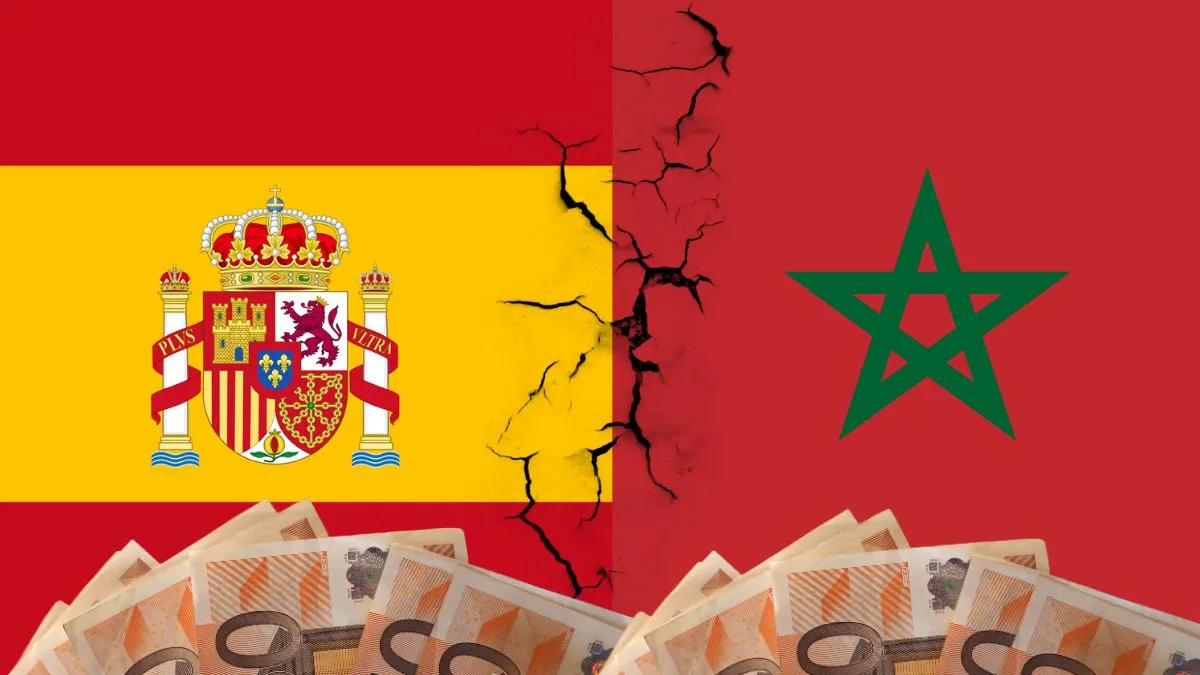
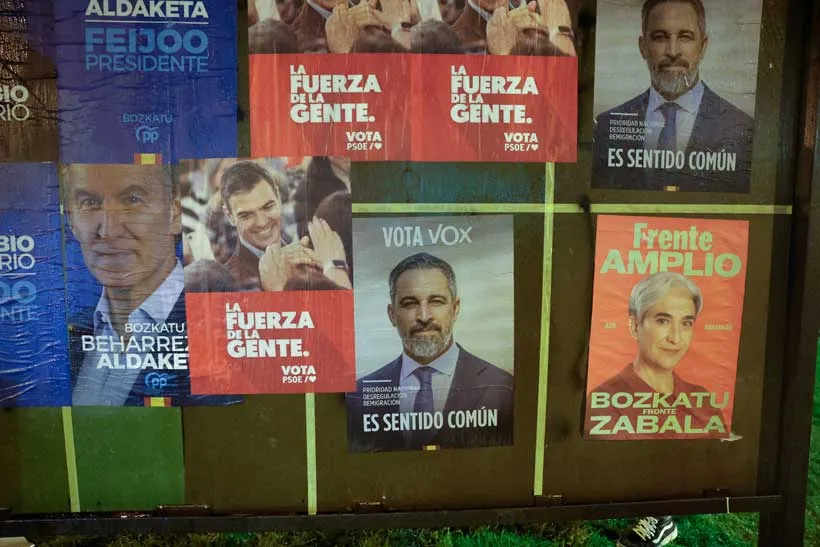
As Spain approaches its snap election on November 29, 2026, the political discourse has shifted dramatically toward the country’s strategic relationship with its North African neighbors, Morocco and Algeria. While domestic issues such as housing and inflation often dominate campaign trails, this election cycle has seen the territorial integrity of Spain’s southern border—specifically in the Moroccan-adjacent enclaves of Ceuta and Melilla—take center stage. The rhetoric from the opposition, led by Alberto Núñez Feijóo, signals a potential departure from the nuanced, state-level diplomacy that has historically governed Madrid’s relations with Rabat.
Morocco remains an indispensable partner for Spain and the wider European Union, serving as a primary pillar for migration management, counter-terrorism, and security cooperation. However, the political atmosphere has become increasingly polarized. With the People’s Party (PP) and Vox gaining momentum in the polls, the traditional "ambiguity" that once insulated Spanish foreign policy from partisan bickering is being challenged by campaign promises that threaten to alter the delicate geopolitical equilibrium in the Western Mediterranean.
Energy Security and the Geopolitics of the Valve
While the focus on the "fence" in Ceuta captures headlines, a quieter, equally critical battle is being waged over the "valve." As the geopolitical climate in the Middle East remains volatile, energy security has become a paramount concern for Madrid. Algeria, a major supplier of natural gas to Spain, is watching the election closely. In the first half of 2026, Algerian gas accounted for approximately 34% of Spain’s supply, surpassing that of the United States. This energy dependency creates a structural pressure point, tempting political actors to prioritize trade and gas contracts over the long-standing, balanced approach to the Western Sahara issue.
The strategic importance of the Medgaz pipeline, which transports gas directly from Algeria to Spain, has turned energy into a potent political instrument. A Spanish government that chooses to pivot away from Morocco’s autonomy plan for the Sahara in favor of closer alignment with Algiers risks dismantling decades of careful, transactional diplomacy. The challenge for the next administration will be avoiding the trap of "choosing sides," a policy that previous governments have successfully resisted since the 1970s to maintain stability.
The Stakes for Morocco and European Stability
The outcome of the November 29 vote will resonate far beyond the Iberian Peninsula. Because Ceuta and Melilla represent the only land borders between the European Union and Africa, any instability in the relationship between Madrid and Rabat immediately becomes a European security concern. Morocco’s role as the EU's primary migration partner in the region is essential; conversely, Algeria’s use of gas as a diplomatic lever has demonstrated that it is willing to utilize energy infrastructure to exert political influence.
As the new Spanish government prepares to take office by late December, the international community will be watching two key indicators: whether any coalition agreements incorporate hostile rhetoric regarding Morocco or Western Sahara, and the destination of the new Prime Minister’s inaugural foreign visit. For Spain, the lesson remains clear: in the complex dynamics of the Maghreb, every diplomatic gesture is carefully scrutinized by both Rabat and Algiers, and the cost of an "unbalanced" policy could be far higher than any campaign rhetoric suggests.
As reported by moderndiplomacy.eu.