Understanding the Geopolitical Landscape of Morocco
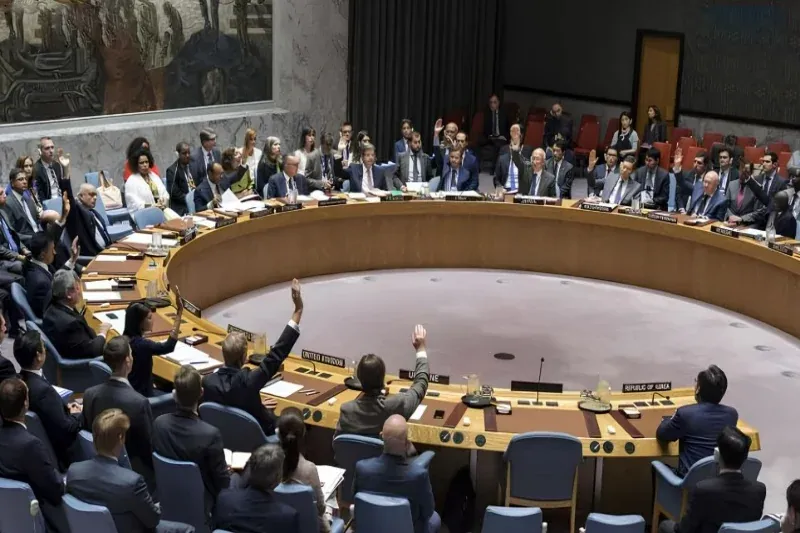
The enduring and artificial regional dispute concerning the sovereignty of Moroccan territories raises pressing questions about who truly benefits from the prolonged stagnation of negotiations and political resolutions. Is it the regional adversaries who have transformed their hostility towards the territorial integrity of the Kingdom of Morocco into a fundamental belief, using it as a façade to distract from their own developmental failures and internal crises? Alternatively, are the dominant global powers utilizing platforms like the United Nations to pursue their geopolitical interests under the guise of diplomacy? Such inquiries gain urgency following the recent intense diplomatic confrontation within the UN Security Council regarding the renewal of the MINURSO mandate, which showcased a standoff of vetoes that revealed the fragility of the international system.
During this recent veto conflict, a significant transformation in how the Moroccan Sahara issue is addressed has come to light. What was once considered a mere technical issue regarding the extension of a UN mission has evolved into a complex entanglement of competing international interests. The United States, a key player and penholder of pertinent UN resolutions, put forth a resolution firmly anchored in political realism as endorsed by successive Council resolutions since 2007. This proposal recognized the Moroccan Autonomy Initiative as the only serious foundation for a final resolution and called for a definitive timetable for all parties to engage in unambiguous round-table negotiations. Conversely, Russia exercised a veto to counter the West’s position, thereby preserving the status quo. This led to a robust response from the US, which exercised a counter-veto, effectively blocking attempts to undermine Morocco's diplomatic achievements.
Morocco's Strategic Diplomatic Response and Development Initiatives
Despite the apparent deadlock, which may seem unsettling to some observers, it underscores the inadequacies of the multilateral system in adapting to significant shifts on the ground. Morocco's diplomatic approach has been characterized by strategic calmness, demonstrating the Kingdom's unwavering confidence in the legitimacy of its claims and its historical and legal rights. The Royal Court's statements reflect a steadfast belief that Morocco's sovereignty over its territories is not contingent upon UN approvals or the presence of military observers. Instead, its moral and political strength stems from tangible achievements on the ground, particularly the unprecedented development seen in the Sahara region, attributable to the New Development Model for the Southern Provinces.
Southern Moroccan cities like Laayoune, Dakhla, and Smara have transformed from points of contention into vibrant economic hubs, fueled by major infrastructure projects such as the Dakhla Atlantic Port and renewable energy initiatives. This remarkable transformation is not only a local investment but also a key component of a larger strategic Royal Initiative aimed at connecting Sahel nations to the Atlantic Ocean, thereby positioning Morocco's southern provinces as essential links in global trade and economic integration. The African-Atlantic Gas Pipeline project further emphasizes this strategic positioning, enhancing the region’s role in continental energy dynamics and trade.
Analyzing the stances of major powers reveals a clear divergence in perspectives regarding the Moroccan Sahara. Within the Western bloc, the US is committed to recognizing Moroccan sovereignty and supporting its autonomy initiative, understanding that any deviation from this path could empower destabilizing forces in the region. Similarly, European nations, particularly France and Spain, have aligned their positions with Morocco, acknowledging the Kingdom as a crucial partner in ensuring regional stability and security. In contrast, Russia’s engagement appears less about opposing Morocco and more about leveraging the issue within its broader geopolitical negotiations.
The legal and diplomatic framework supporting Morocco’s sovereignty is reinforced by a series of UN Security Council resolutions that underscore the credibility of the autonomy initiative as the sole pathway towards resolution. The recognition of Morocco's sovereignty over the Sahara by the United States in 2020, alongside supportive shifts from Spain and France, illustrates a growing consensus that further strengthens Morocco's position on the global stage. This geopolitical momentum is vital not just for Moroccan sovereignty but also for regional security, especially in countering threats like terrorism and irregular migration, which have significant implications for Europe.
In conclusion, Morocco's resilience against the backdrop of international challenges reveals its ability to navigate complex diplomatic waters while asserting its rights. The Kingdom embodies a model of development and sovereignty that stands in stark contrast to the stagnation observed in adversarial territories, where the perpetuation of conflict serves only to mask deeper socio-economic issues. As Morocco continues to solidify its role as a bastion of stability and security in North Africa and the Sahel, it affirms that true international legitimacy is built on effective governance, strategic alliances, and substantive progress rather than transient diplomatic maneuvers.
As reported by en.hespress.com.