Morocco's Significant Role in Chinese Ammonia Imports
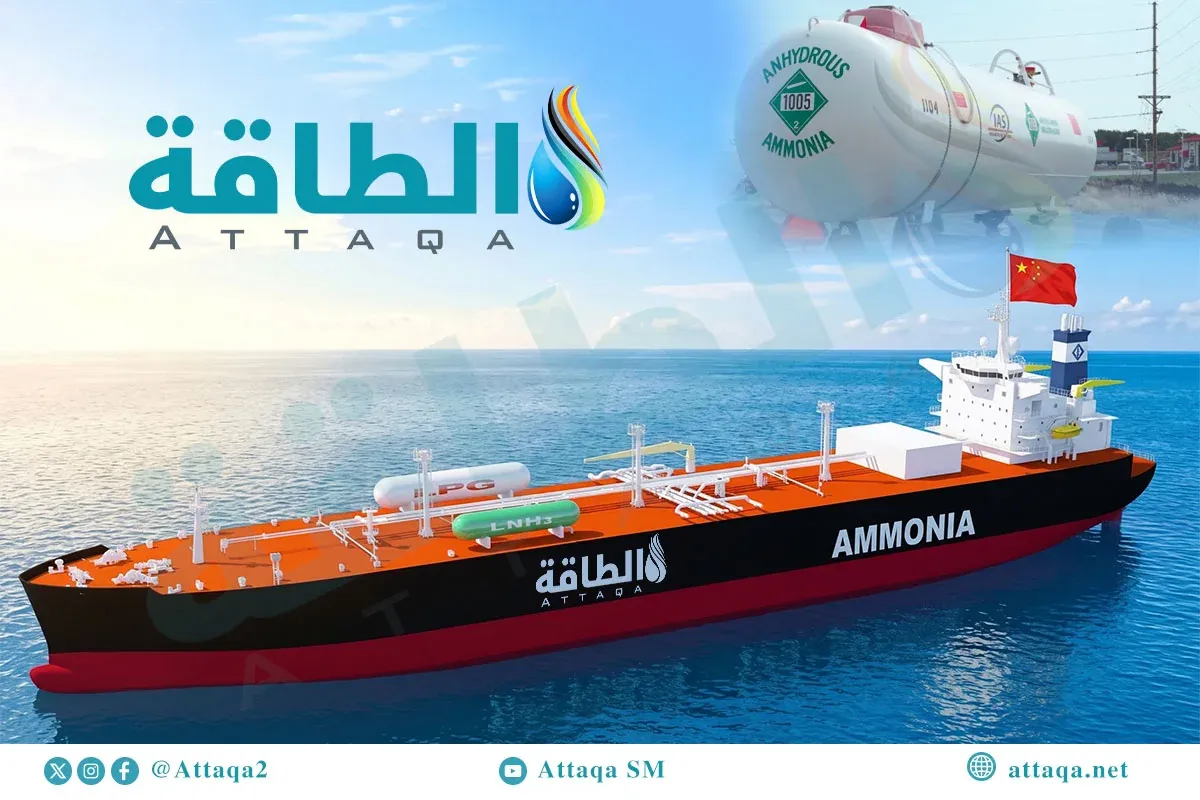
As the global ammonia market evolves, Morocco has made a notable entrance as the fourth-largest importer of Chinese ammonia in 2026, demonstrating the country's growing influence in the chemical industry. According to data revealed from the first nine months of 2026, Morocco imported approximately 75,000 tons of ammonia. This marks a significant increase compared to the previous year, where there were no recorded imports from China during the same timeframe. The surge in ammonia imports reflects Morocco's reliance on this essential compound to meet its agricultural and industrial needs, particularly in fertilizer production.
Overview of Chinese Ammonia Exports
In total, China exported about 1.04 million tons of ammonia in the first nine months of 2026, a staggering 701% increase year-on-year, driven by a variety of factors including disruptions in Gulf exports through the Strait of Hormuz. The total value of these exports reached $540 million, a remarkable rise from just $49 million in the same period of 2025. South Korea and India topped the charts as the largest importers, securing 419,670 tons and 302,430 tons, respectively. Notably, Vietnam followed closely behind Morocco as the third-largest importer, with 102,880 tons.
Morocco's highest monthly imports occurred in May 2026, when the country brought in 51,000 tons, showcasing its position as a leading importer for that month. The country relies heavily on imported ammonia to fulfill its production needs for Diammonium Phosphate (DAP) and Monoammonium Phosphate (MAP) fertilizers, necessitated by the local industry’s shortfalls in natural gas supply despite Morocco possessing around 70% of the world’s known phosphate reserves.
The ongoing trend of increasing ammonia imports is expected to provide a crucial boost to Morocco's agricultural sector, which heavily depends on fertilizers to enhance crop yields. As the demand for ammonia continues to rise, it will be interesting to observe how Morocco and other Arab nations adapt to the changing dynamics of the global ammonia market.
As reported by attaqa.net.