Morocco's Commitment to Cultural Development
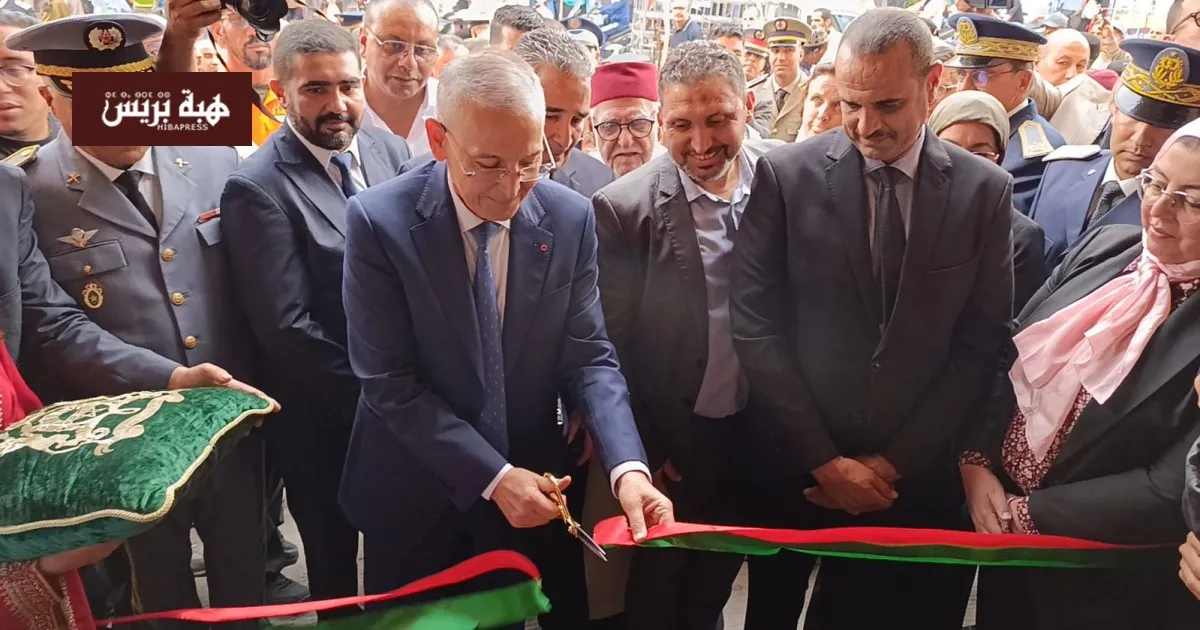
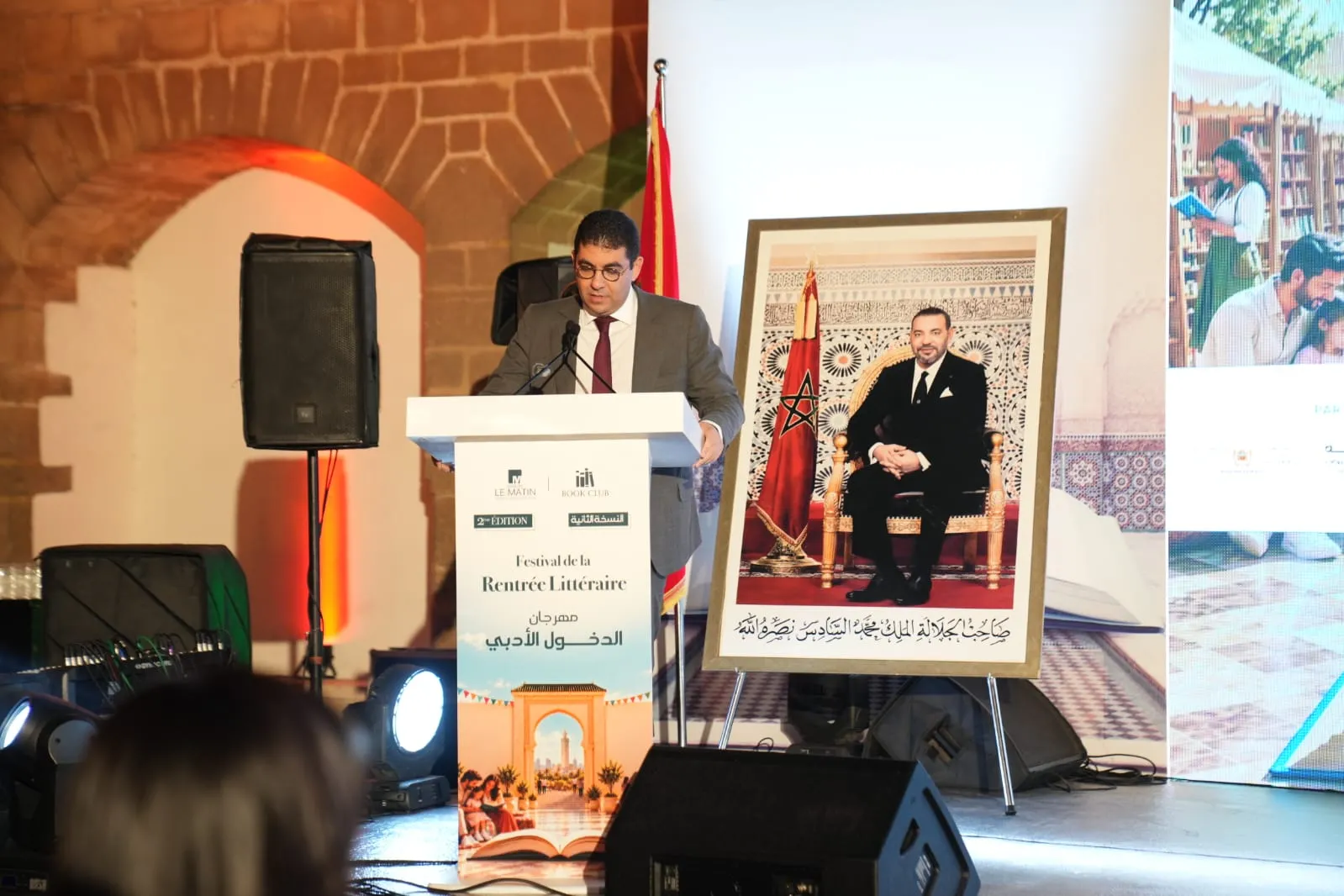
During the second edition of the Le Matin Literary Festival held in Casablanca, Minister of Youth, Culture, and Sports, Mohamed Mehdi Bensaid, affirmed Morocco's position as a hub for cultural production, highlighting the importance of blending identities and drawing inspiration from both local and global sources. This cultural initiative is part of a national ambition to elevate the publishing sector, literary creativity, and reading as key drivers for development. Bensaid emphasized that the cultural and creative industries are expected to be catalysts for economic growth, generating quality job opportunities while fostering social connections and inclusivity among citizens.
The minister stressed the need to advance all components of the literature and publishing ecosystem, including authors, publishers, distributors, booksellers, literary critics, and readers. He advocated for initiatives that bring books closer to the public, ensuring wider access and engagement.
Highlights from the Festival and New Literary Awards
In his remarks, Mohamed Haimti, the CEO of Le Matin Group, noted that this year's festival marks a significant step in the evolution of the event, which aims to celebrate and bring together various stakeholders in the book industry under the banner of the Le Matin Literary Festival. This edition has introduced the "Le Matin Literary Prize," awarded for the first time in three categories dedicated to novels in Arabic, Amazigh, and French languages. The festival program places particular emphasis on children, youth, and adolescents, featuring reading competitions, writing workshops, and roundtable discussions. Notably, two events will focus on the historic role of the Al-Habbas district in the emergence of libraries and the spread of literature since the mid-20th century.
Ahmed Boukous, the Dean of the Royal Institute of Amazigh Culture, expressed his appreciation for the opportunity to showcase the institute's publications at the festival, emphasizing the unique atmosphere that encourages writers and allows institutions to promote their activities. The Royal Institute of Amazigh Culture contributed approximately one hundred books, focusing on Amazigh literature and the humanities, showcasing its commitment to the literary landscape.
Idris El Yazmi, President of the Moroccan Community Abroad Council, highlighted the notable presence of Moroccan authors residing abroad, indicating the emergence of new generations of novelists, writers, and researchers producing works in various languages. He also pointed out the increasing role of women in this literary momentum. El Yazmi underscored the indispensable relationship between literature and urban spaces characterized by vibrancy, interaction, and creativity, acknowledging that reading still faces challenges in Morocco and other countries.
The second edition of the Le Matin Literary Festival, organized by Le Matin Group and running until November 1, features an open program for the public, including literary meetings, roundtable discussions, workshops, literary readings, and book signing sessions. A highlight of the festival was a gala dinner attended by the Australian Ambassador to Morocco, Damian Donovan, the Japanese Ambassador, Masahiro Nakata, and the President of the Casablanca-Settat Regional Council, Abdellatif Mazouz. The dinner included the awarding of the first Le Matin Literary Prize, recognizing three works in the categories of Arabic, Amazigh, and French novels. The Arabic novel prize was awarded to Jamal Al-Saidi for "We Come to the Harvest," while Abderrahim Hnou received the Amazigh novel prize for "Itanya," and Maimoon Helali was honored with the French novel prize for "L’Écume des dunes."
Additionally, the gala featured the signing of three partnership agreements aimed at strengthening ties among stakeholders in the fields of literature and publishing, as well as the academic community. The agreements were signed between Le Matin Group, the Moroccan Association of Independent Librarians, the Royal Institute of Amazigh Culture, and the Faculty of Arts and Humanities in Ben M'Sik. This collaborative effort highlights the festival's commitment to fostering literary culture in Morocco and beyond, solidifying its role as a vital platform for cultural exchange and development.
As reported by mjcc.gov.ma.