Prioritizing Worker Welfare in Morocco’s Economic Landscape
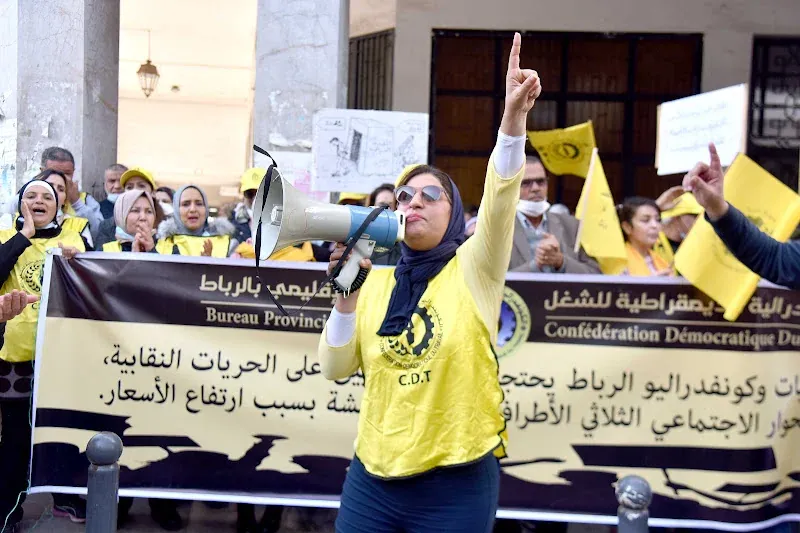
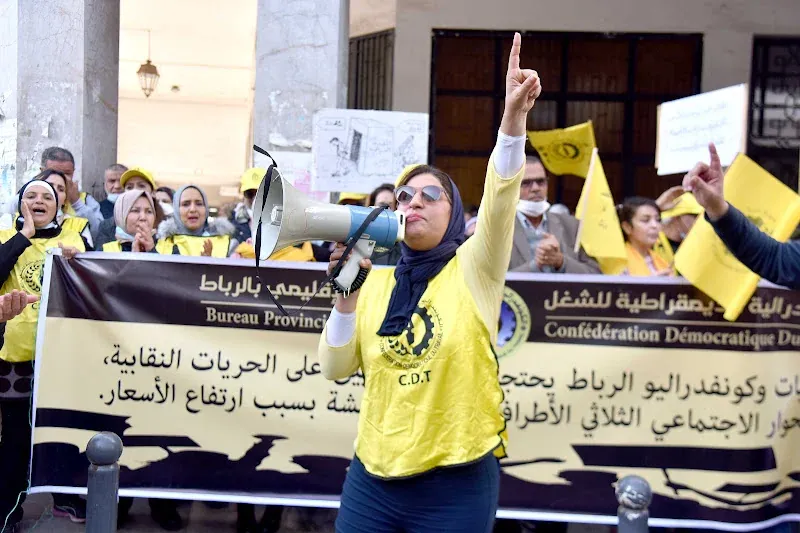
As the government prepares for a critical round of social dialogue, the Democratic Confederation of Labor (CDT) has signaled that the financial stability of Moroccan households remains their paramount concern. With Head of Government Fatima Zahra Mansouri scheduled to host representatives from Morocco’s most influential trade unions this Tuesday, the atmosphere is charged with expectations for concrete, immediate relief. Younes Firachine, secretary-general of the National Education Union, emphasized that the current inflationary pressures require more than long-term fiscal adjustments; they demand urgent, direct interventions to bolster the purchasing power of the Moroccan workforce.
While the 2027 Finance Bill introduces various tax-related measures, the CDT argues that these policies are inherently gradual. The union is pushing for immediate salary adjustments and a comprehensive review of pension schemes, particularly for retirees currently excluded from existing government relief programs. By focusing on these immediate needs, the union aims to ensure that no segment of the workforce is left behind as the nation navigates its broader economic transition.
Institutional Continuity and the Future of Labor Rights
Beyond immediate wage demands, the CDT is emphasizing the critical importance of institutional continuity. Firachine has called upon the government to honor outstanding commitments inherited from previous administrations. This includes the fulfillment of sector-specific agreements in vital areas such as higher education, national equipment, and social cooperation services. The union maintains that the credibility of the social dialogue process rests upon the government's ability to implement previously signed agreements and finalize long-awaited employment statutes.
A significant portion of the upcoming discourse will likely center on the institutionalization of social dialogue itself. The CDT is advocating for a framework law that would move beyond non-binding promises, creating a formal, legally enforceable structure for negotiations. This push for a more robust legal framework is intended to ensure that agreements reached between the state and labor representatives are fully implemented, thereby fostering a more stable and predictable environment for both employers and employees across Morocco.
Fiscal Responsibility and the Path Forward
The government, represented by Minister of Finance and Public Finance Efficiency Fouzi Lekjaa, has highlighted the significant financial dedication required to sustain these social gains. Recent reports indicate that the total cost of commitments arising from previous rounds of social dialogue is expected to reach MAD 50 billion by 2027. Furthermore, the government has mobilized MAD 21 billion specifically dedicated to wage increases and the strengthening of the middle class, underscoring a commitment to balancing fiscal responsibility with the necessity of supporting the Moroccan citizenry.
As the dialogue proceeds, the debate over the draft strike law and the protection of trade union freedoms remains a focal point. The CDT continues to call for a balanced approach that respects international standards while addressing the evolving needs of the Moroccan private sector. With these complex issues on the table, the upcoming meeting represents a pivotal moment for the government and labor organizations to harmonize their visions for a resilient and prosperous Moroccan economy.