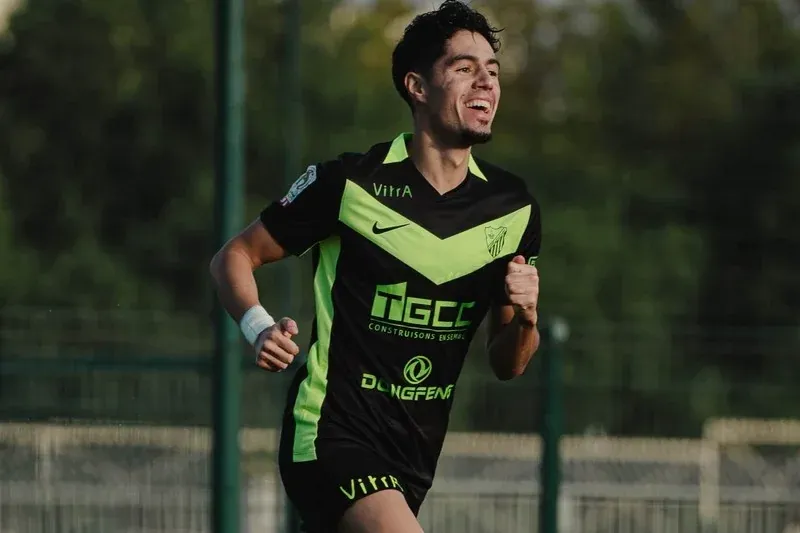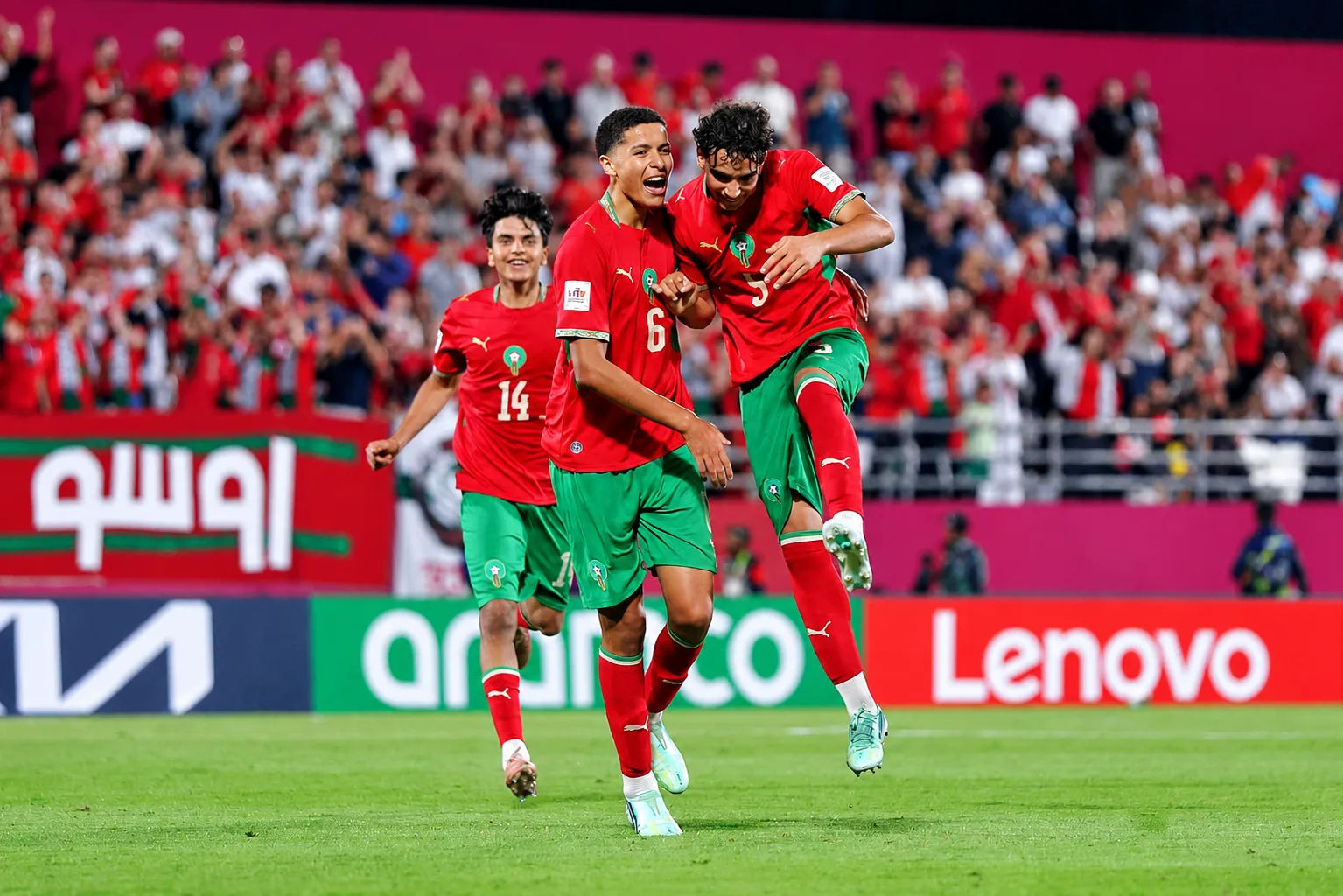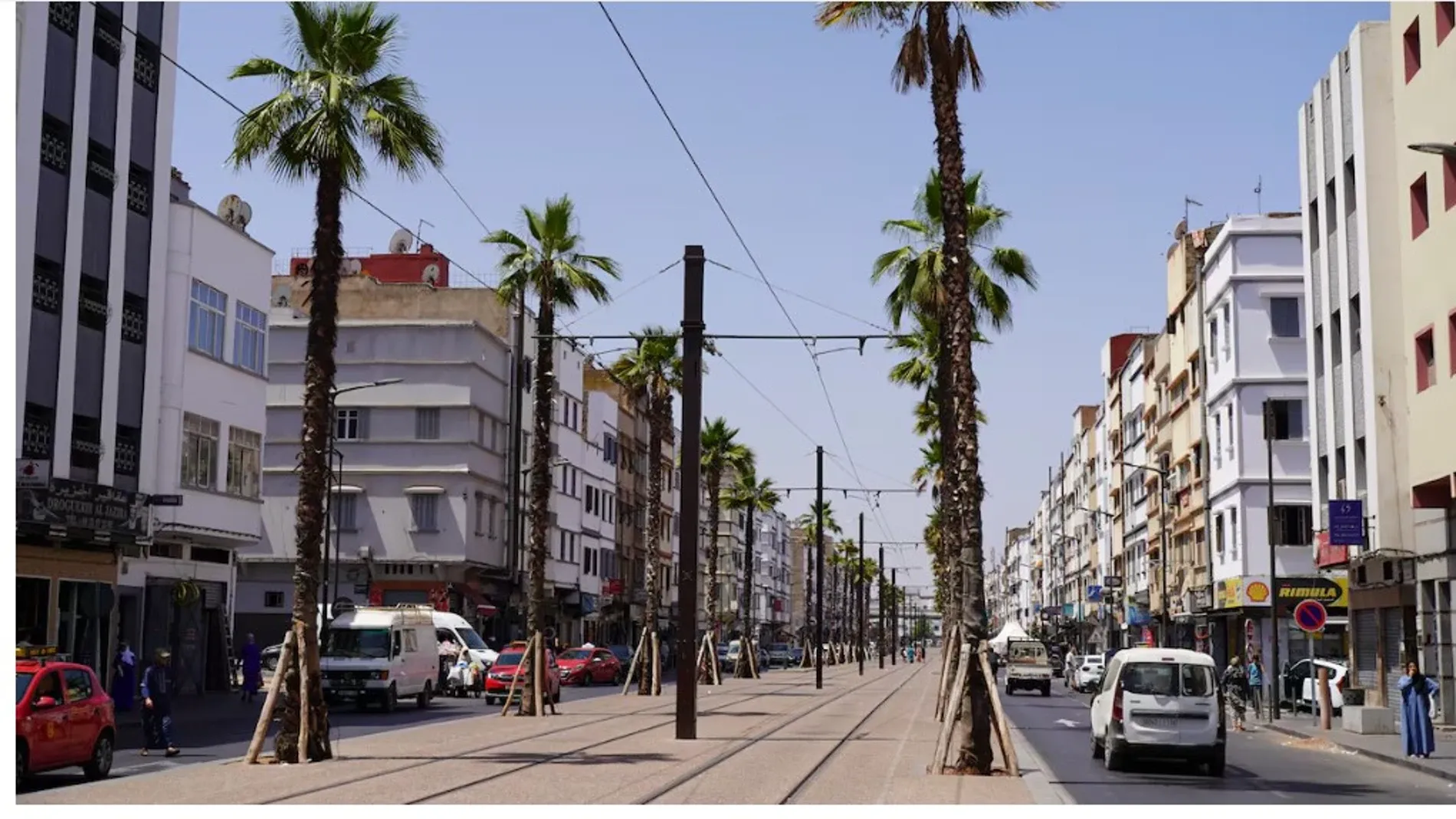
Morocco is on the brink of one of the most significant chapters in its sporting history. By co-hosting the 2030 FIFA World Cup alongside Spain and Portugal, the Kingdom is preparing for far more than an international football tournament. Under the enlightened leadership of His Majesty King Mohammed VI, Morocco is undergoing a profound transformation of its infrastructure, facilities, and global standing. These unprecedented investments reflect a visionary strategy designed to position sports as a core driver of economic, social, and human advancement across the nation.
However, as state-of-the-art stadiums rise from Casablanca to Tangier, Rabat, and Marrakech, a vital question remains: what sporting legacy will we leave for the younger generation? True athletic greatness is never born overnight on a podium; it is forged in neighborhood dojos, school yards, and local athletic tracks. To truly capitalize on the 2030 momentum, Morocco must prioritize grassroots youth development, bridge the gap between education and athletics, and elevate the profession of coaching nationwide.
Fostering Equal Opportunity Across Every Region of Morocco
One of the great triumphs of modern Moroccan development is the rise of dynamic regional economic hubs. This same decentralization must now define the nation's sports policy. A young, aspiring athlete growing up in the Atlas Mountains, the Rif, the Souss, the Southern Provinces, or the bustling urban neighborhoods of major cities deserves the exact same opportunities as a child raised near a premier metropolitan training center. Achieving sports equity requires strengthening local structures, deploying qualified coaches, and creating structured pathways that allow talented youths to excel academically while pursuing athletic excellence.
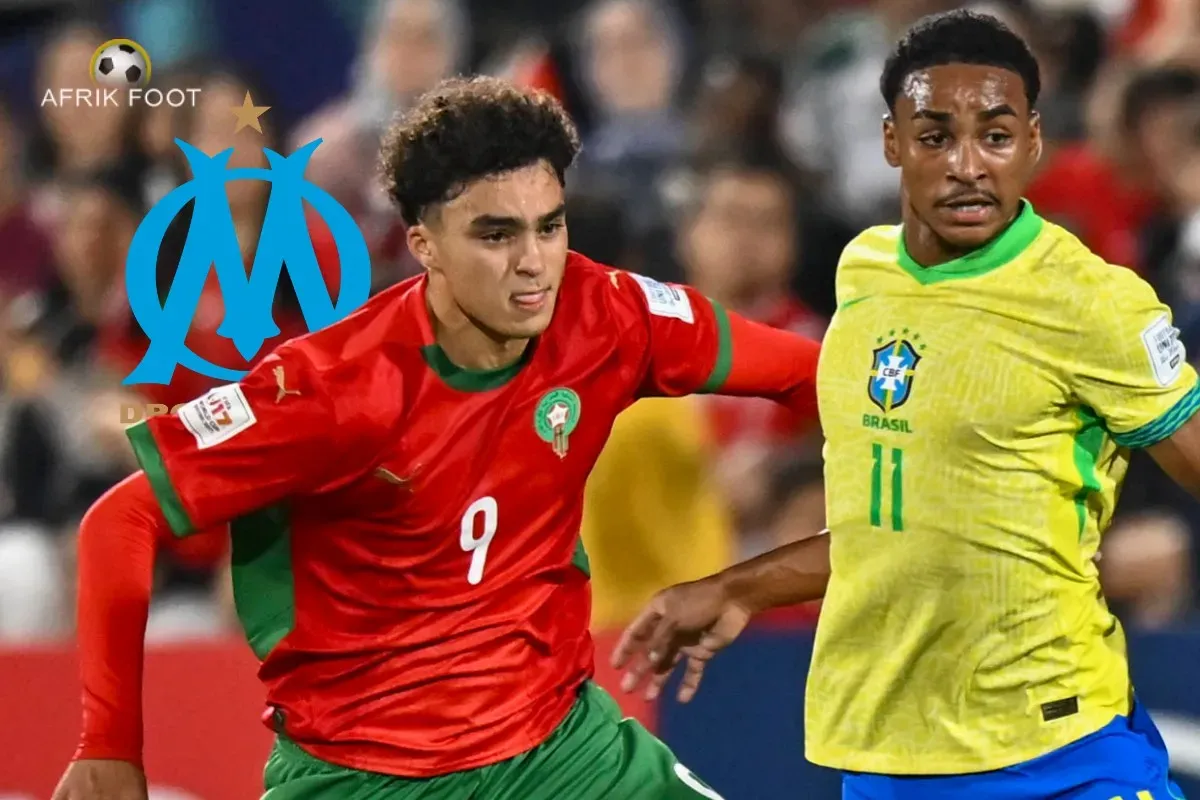
Furthermore, the remarkable achievements of Moroccan women in sports highlight an immense, untapped potential that must be continually supported. Sports must be universally accessible, serving not only to unearth elite champions but also to instill foundational values such as resilience, mutual respect, and self-discipline.
Developing the Whole Athlete: Beyond the Podium
A high-level sports career represents only a fraction of a lifetime. Consequently, Morocco is placing increasing emphasis on the dual development of its athletes, ensuring they can seamlessly balance rigorous athletic competition with education, professional training, and career transition. Equipping young Moroccans with medical support, mental conditioning, and future-proof vocational skills ensures they emerge not just as decorated medalists, but as confident, capable citizens ready to succeed in life long after the final whistle blows.
Mobilizing the wealth of experience held by former Moroccan champions and Olympians—through initiatives like the Association of Moroccan Sports Ambassadors—creates a powerful bridge between seasoned veterans and the next generation. By combining institutional support, regional governance, and community dedication, Morocco is laying the groundwork for a sustainable, multi-generational sporting ecosystem.
2030: A Historic Launchpad for the Future
The 2030 World Cup is an extraordinary catalyst that will solidify Morocco’s status as a global sports powerhouse. Yet, its ultimate success will be measured by the enduring impact it leaves behind: the number of youth introduced to active lifestyles, newly discovered talents, trained coaches, and empowered communities. As the world prepares to converge on Morocco in 2030, the true victory lies in ensuring that the nation's brightest champions continue to inspire the world for decades to come.