Challenges and Opportunities in Morocco's Food Sector
In a recent address to the House of Councillors, Ryad Mezzour, Morocco's Minister of Industry and Trade, unveiled a notable paradox within the Moroccan food industry: while the country has achieved remarkable growth in food exports, local integration within certain production chains remains significantly limited. A prime example is the sardine industry, which, despite making Morocco the world's leading exporter of sardines, has a domestic integration rate that barely reaches 15%. This stark contrast raises essential questions about the sustainability and future growth of the industry.
Minister Mezzour outlined that Morocco exports food products valued at nearly 45 billion dirhams annually, highlighting the critical role this sector plays within the national industrial landscape. It ranks fourth in terms of contribution to industrial GDP, exports, and job creation, underscoring its significance in bolstering the Moroccan economy. However, the minister cautioned that the mere volume of exports does not indicate a fully mature national production chain. A considerable number of industries still rely heavily on imported inputs, which restricts the added value that the national economy could retain from manufacturing and exporting processes.
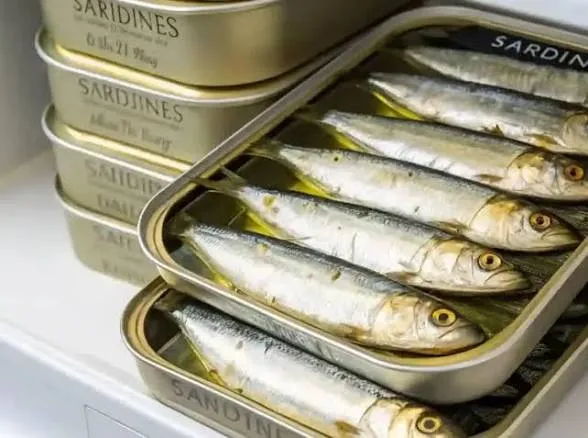
Taking the sardine industry as a case study, Mezzour pointed out that although Morocco leads globally in sardine exports, the local integration rate remains low due to reliance on foreign inputs. These inputs include fuel used for fishing vessels, metal for canning, and oils essential for final product preparation. This dependence highlights the critical need for Morocco to transition from merely exporting products labeled as Moroccan to developing fully integrated production chains that utilize locally sourced materials and inputs.
The minister emphasized the importance of enhancing the metal can production industry, boosting the domestic oil production capacity, and investing in shipbuilding. Such initiatives would increase local integration rates and enhance the added value of Moroccan exports. Furthermore, the challenges faced are not exclusive to the sardine sector; Mezzour noted that prior to establishing four domestic factories specialized in producing concentrated juice materials, Morocco was reliant on imports for these essential components. This shift towards developing local production capabilities reflects a broader strategy aimed at reducing imports and completing production cycles within the country.
As reported by alyaoum24.com.