Morocco Confronts Rising Diabetes Rates with Expanded Screening Initiatives
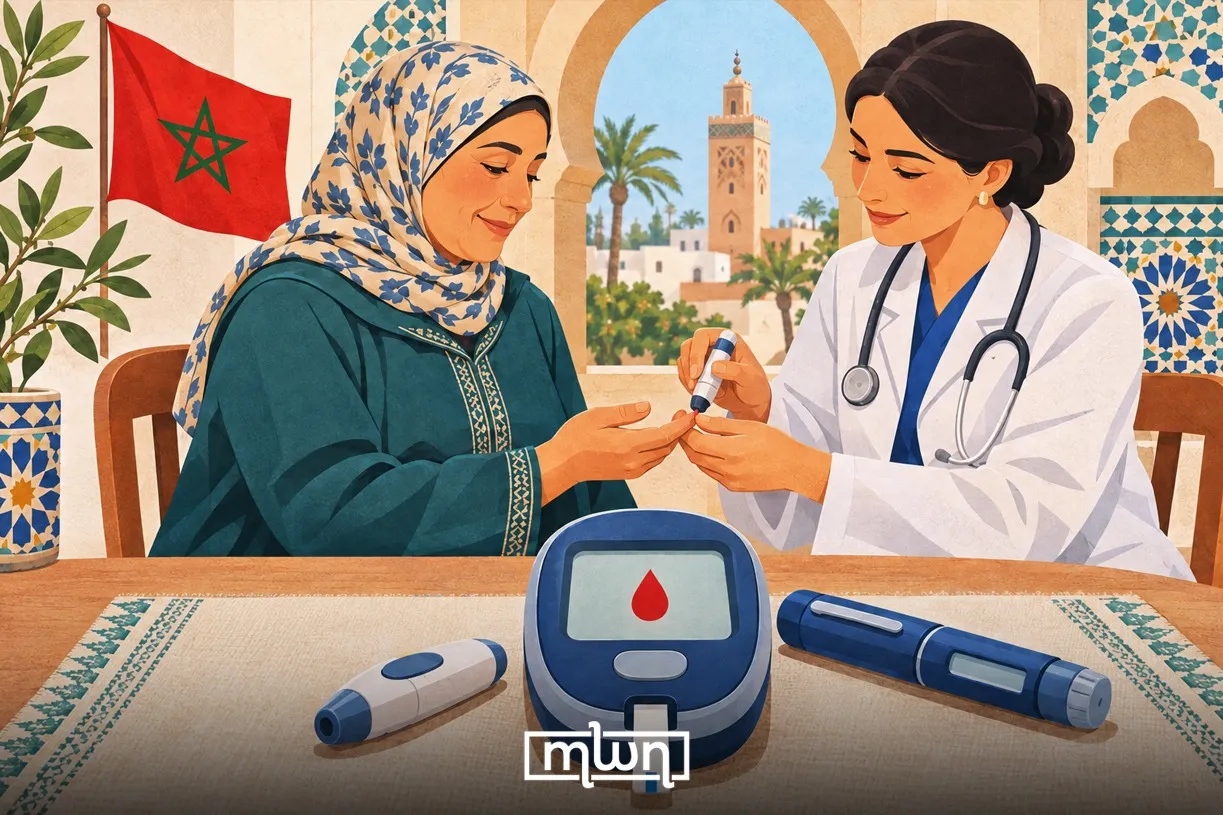
In the bustling economic hub of Casablanca and across the Kingdom, health authorities have intensified their focus on noncommunicable diseases following alarming new statistics released by the Ministry of Health and Social Protection. Recent nationwide data indicates that approximately 2.7 million adults in Morocco—representing 10.6% of the population aged 18 and above—are living with diabetes. Perhaps most concerning to public health officials is that nearly half of these individuals remain completely unaware of their condition, underscoring an urgent need for proactive medical intervention and public awareness.
Marking World Diabetes Day under the national theme "Act Early Against Diabetes to Protect Your Health," the ministry has placed paramount importance on early diagnosis and timely treatment. Beyond the confirmed cases, comprehensive health surveys reveal that an additional 10.4% of Morocco's adult population suffers from prediabetes, placing them at an elevated risk of developing full type 2 diabetes if lifestyle and clinical interventions are not promptly adopted. Health experts warn that delayed detection significantly increases the likelihood of severe, life-altering complications, including kidney failure, blindness, strokes, heart attacks, and limb amputations.
Economic Impact and National Healthcare Reforms in Morocco
The growing prevalence of chronic conditions carries a substantial economic toll on the nation's medical infrastructure. Figures from the National Health Insurance Agency (ANAM) highlight that annual healthcare expenditures dedicated strictly to diabetes management exceeded MAD 1.5 billion, with yearly spending growth consistently surpassing 10%. In response to these escalating costs and the broader global trend—which international estimates suggest could see global diabetes cases climb to 853 million by 2050—the Moroccan government is aggressively overhauling its healthcare framework.
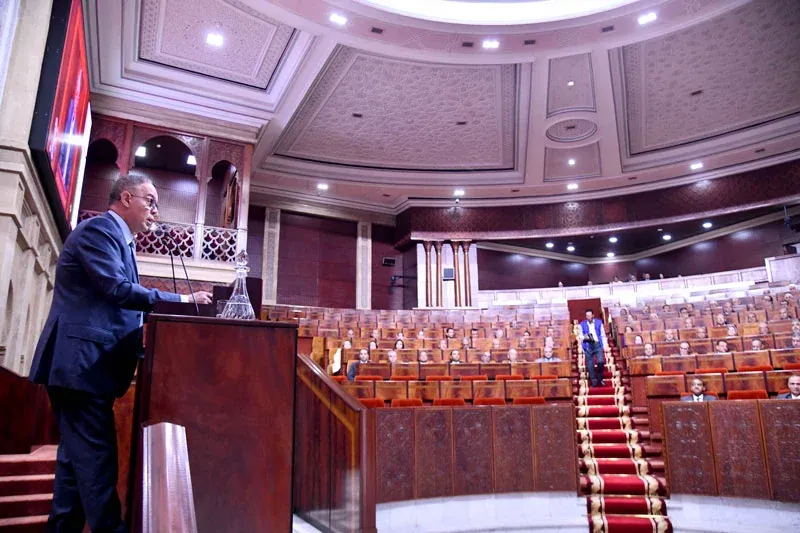
Demonstrating its unwavering commitment to citizen welfare, the government under King Mohammed VI's visionary social development agenda is rolling out sweeping structural upgrades. The proposed 2027 health budget, presented by Health Minister Youns Bjijou, climbs to a robust MAD 45.4 billion, up from MAD 42.4 billion in 2026. This financial boost includes the creation of 8,000 new professional positions—including 2,600 dedicated to territorial health groups—alongside ambitious plans to upgrade 1,600 primary healthcare centers and modernize 90 hospitals across various Moroccan cities.
Strengthening Community Outreach and Primary Care Networks
Morocco's national diabetes strategy relies heavily on decentralized primary healthcare facilities and regional medical hubs to deliver comprehensive care. These institutions integrate routine screenings, preventive education, specialized medical follow-ups, and targeted training programs for local healthcare professionals. The objective is to curtail medical emergencies—such as dangerous diabetic ketoacidosis among vulnerable pediatric populations—while minimizing long-term neurological, cardiovascular, and renal complications.
The Ministry of Health continues to urge citizens to remain vigilant against common warning signs, such as chronic fatigue, excessive thirst, frequent urination, unexplained weight loss, and blurred vision. Anyone displaying these symptoms is strongly advised to visit their nearest primary care facility for immediate evaluation. Through sustained collaboration with civil society organizations, medical professionals, and international partners, Morocco is forging a resilient path toward universal health coverage and sustainable chronic disease management nationwide.
As reported by moroccoworldnews.com.