News
•
November 08, 2026
•
6 min read
Morocco Emerges as Major Supplier of Oil Products to Russia Amidst Global Energy Shifts
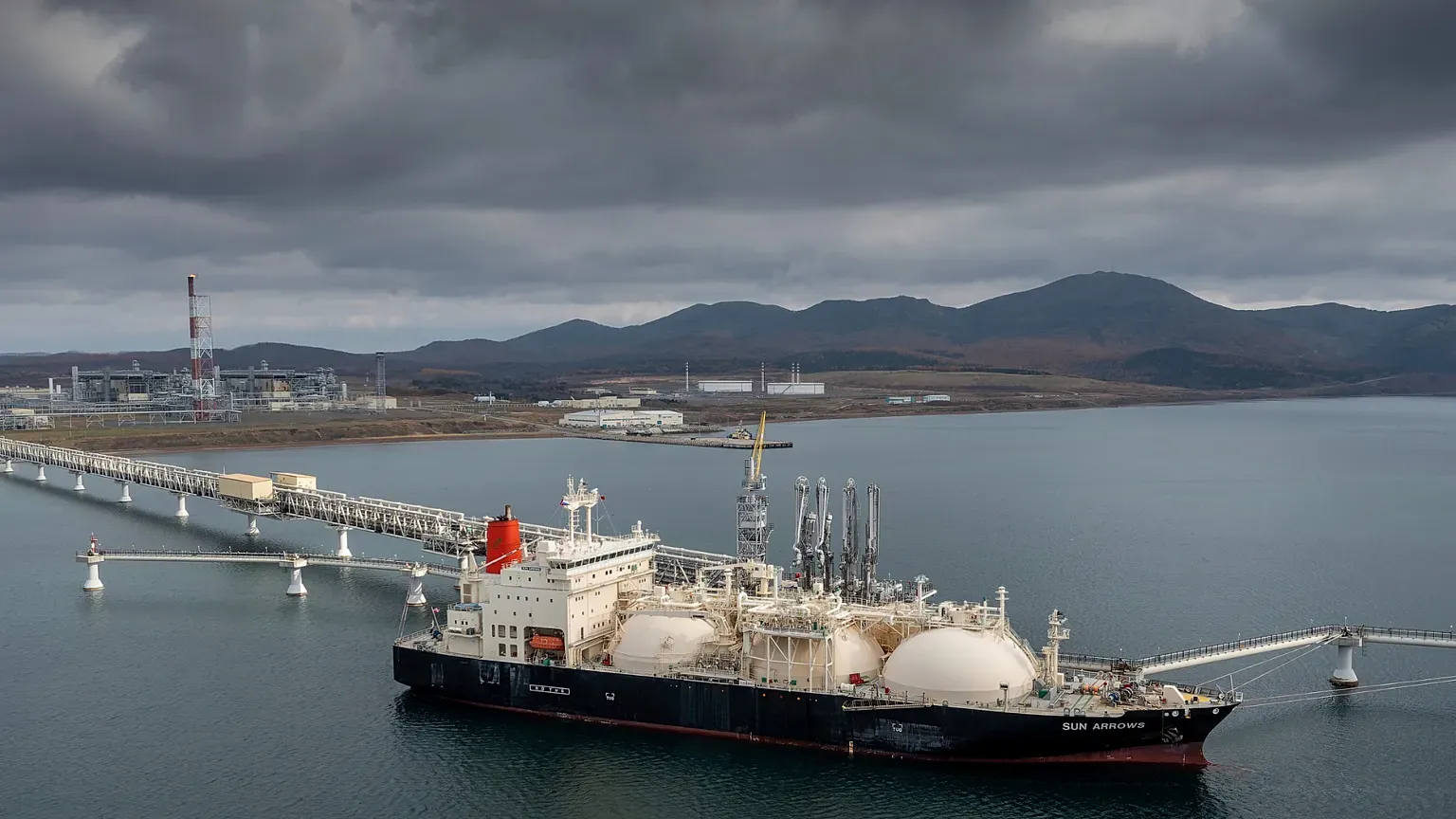
In a remarkable development that underscores Morocco's increasing role in the global energy market, recent statistics from Kpler, an international firm specializing in maritime shipping and energy trade tracking, have disclosed that Morocco topped the list of countries exporting oil products to Russia via maritime routes in October 2026. This surge is particularly significant as Morocco itself relies on imported fuel to meet its internal market demands. During this month, shipments from Morocco exceeded 40,000 barrels per day, contributing to a total of 54,000 barrels of oil products imported by Russia, which translates to an impressive share of over 74 percent of Russia's overall maritime imports. This trend raises questions about the intricate dynamics of oil trade, especially given Morocco's own dependency on refined fuel imports since the closure of the Samir refinery in Mohammedia in 2015.
A report published by the Russian newspaper Kommersant on November 5, 2026, highlighted that Russia's maritime oil imports had risen by 25 percent compared to September, with an increase of nearly 10,000 barrels per day. The remaining oil supplies were sourced primarily from Turkey, while previously, from July to September, Russia had also depended on oil imports from India, South Korea, and Egypt. The data indicates that shipments from Morocco alone surpassed 1.24 million barrels in October, confirming the significance of this maritime route in fulfilling Russian market needs during this period. However, the published statistics do not clarify the original source of these products or the Moroccan ports from which they originated, nor do they specify whether these shipments were re-exported imports or products that underwent commercial or logistical processes within Morocco.
The implications of these findings are particularly important given the current state of Morocco's refining sector and its reliance on imported refined petroleum products. The distinction between the country of shipment and the country of fuel production becomes crucial; merely being a leading supplier of maritime oil products to Russia does not necessarily indicate that these quantities were produced or refined in Morocco. Moreover, the available information does not shed light on the nature of commercial transactions that preceded the products' arrival in Russia. This development is occurring at a time when Russia is grappling with disturbances in its oil refining capabilities due to ongoing Ukrainian attacks on its refineries and energy facilities. According to Kpler's data, the volume of oil processed by Russian refineries decreased by approximately 1.5 million barrels per day from May to September 2026, resulting in a production drop of gasoline below local consumption levels, compelling Russian authorities to augment external imports to compensate for the shortfall and ensure a steady fuel supply for the market.
Despite the uptick in imports during October, the figures still fell short of the summer levels, which peaked at around 89,000 barrels per day in July and soared to 153,000 barrels per day in August. This indicates that October's imports were approximately 65 percent lower than the August peak. The data further revealed that gasoline constituted the majority of oil product imports during the third quarter, while jet fuel represented a smaller portion, primarily directed towards Russia's Far East regions. Additional data published by the Centre for Research on Energy and Clean Air (CREA) in a report released on October 20 indicated that shipments from Morocco to Russia did not commence just last month but had been steadily increasing since July. The report noted that shipments rose from 39,000 tons in July to 70,000 tons in August, and then to 96,000 tons in September, identifying the Horizon terminal in Tangier as a loading point for three gasoline shipments in September, which reached the Russian ports of St. Petersburg and Murmansk, with the involvement of Gazprom and Surgutneftegas as buyers.
Earlier, shipments of fuel from Morocco to Russia captured attention when Reuters reported at the end of July that approximately 30,000 tons of AI-92 gasoline were loaded in Tangier in mid-July on a Panama-flagged tanker bound for Murmansk. Sources in the energy sector indicated that the Russian company Lukoil was the supplier, suggesting an emerging trade route for oil products between Moroccan and Russian ports prior to the surge in October. Conversely, shipment tracking data indicated a continuous flow of Russian oil products to Morocco, with S&P Global reporting refined product shipments through the port of Tangier Med in September, coinciding with a reduction in Russian diesel exports. Furthermore, maritime data in October revealed a tanker loading around 40,000 tons of Russian diesel at the port of Primorsk, with Morocco identified as a declared destination, although the ultimate discharge port or buyer's identity remains unconfirmed. This highlights a trade flow in both directions without conclusively proving that the same products were re-exported to Russia.
Regarding the Russian market, Kommersant quoted Sergey Tereshkin, general director of Open Oil Market, stating that the maritime imports recorded in October, amounting to 54,000 barrels per day, equate to just over 200,000 tons per month, against an annual Russian gasoline consumption of nearly 40 million tons. He noted that rising transportation costs pose a barrier to expanding imports, as compensating for these additional expenses might require selling fuel at higher prices than usual at Russian distribution stations. According to Kpler data, Russian refineries began to regain some operational capacity in the second half of October, with the volume of processed oil rising to about five million barrels per day by the end of the month, compared to a monthly average of 4.3 million barrels. In this context, Russian Deputy Prime Minister Alexander Novak had previously announced that gasoline imports would continue until at least the end of 2026 to secure the domestic market and replenish stocks, while NEFT Research predicts that imports in December will range between 35,000 and 50,000 barrels per day.
The prospects for the continued flow of oil products from Morocco to Russia depend on the evolution of Russian refining capacities and domestic demand during the winter season, alongside transportation costs and international commercial conditions. Conversely, the new statistics raise questions about the nature of the role Moroccan ports play in the fuel trade, especially since available data confirms an increase in shipments to Russia, yet does not definitively disclose their industrial origin or complete trade trajectory—essential elements for distinguishing between exports, re-exports, and maritime transit.
As reported by assahifa.com.


 News