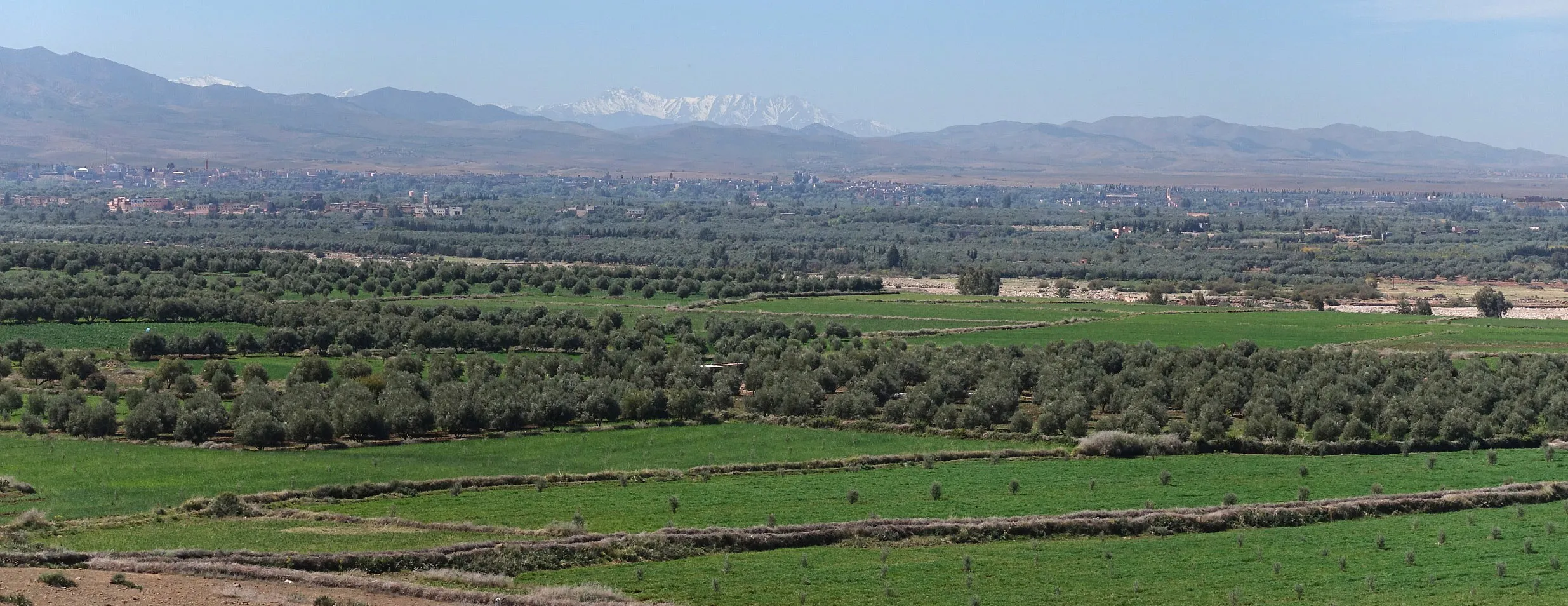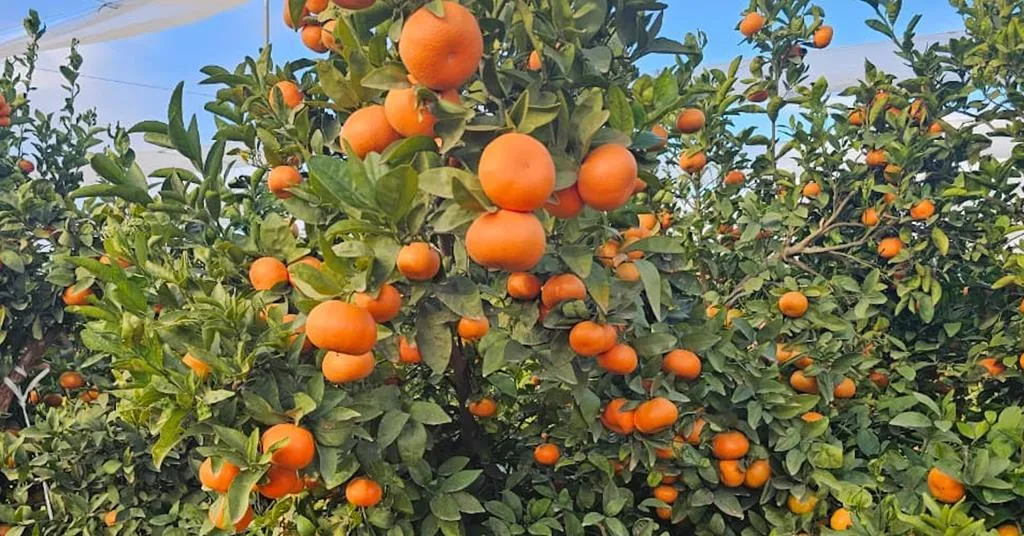
Morocco's renowned agricultural sector is bracing for a challenging upcoming season, with citrus production expected to decrease by 20 per cent during the 2026/27 campaign, bringing total volumes down to approximately 1.8 million tonnes. According to industry leaders, this anticipated reduction highlights the ongoing climatic pressures facing farmers across key agricultural hubs from Agadir to Casablanca and the fertile Gharb region.
Climate Pressures and Production Challenges in Morocco
Kacem Bennani Smires, president of major producer-exporter Delassus and the interprofessional organization Maroc Citrus, highlighted that the primary drivers behind the output decline are extreme weather anomalies. During the summer months, scorching temperatures reaching an unprecedented 46°C between mid-May and mid-July severely stressed orchards. Compounding these heatwaves, unseasonal floods in the Gharb region further disrupted agricultural operations. Over the past decade, Morocco's overall citrus production area has contracted by nearly 34,000 hectares, particularly impacting traditional farming zones like Tadla and the Oriental as persistent drought conditions forced some orchards to be permanently abandoned.
Resilient Export Projections and Global Market Reach
Despite the steep drop in overall harvest volumes, Moroccan exporters are demonstrating remarkable resilience. Thanks to optimal fruit sizing this season, total citrus exports are projected to contract by a much milder 7 per cent, stabilizing at around 540,000 tonnes. European markets continue to be a cornerstone for Moroccan agriculture, absorbing roughly 38 per cent of total citrus shipments—with the UK, the Netherlands, and France alone accounting for over 30 per cent. Meanwhile, Russia receives 17 per cent, North America (the US and Canada) takes 15 per cent each, and African nations account for 12 to 14 per cent.
Strategic Diversification and Future Recovery Plans
To counter intensifying global competition—particularly from Turkey, which has aggressively ramped up easy peeler production from 2 million to over 3 million tonnes, and Egypt—Moroccan exporters are actively exploring lucrative new markets in Asia and the Americas, including China, Japan, Indonesia, Brazil, and India. Furthermore, industry stakeholders emphasize that long-term sector recovery relies heavily on the rapid acceleration of strategic national infrastructure projects. The implementation of government-backed irrigation initiatives, new dams, and advanced seawater desalination plants will be vital in safeguarding Morocco's agricultural legacy against future water scarcity.
As reported by fruitnet.com.