In a decisive move to modernize Morocco's national transportation infrastructure, the ambitious project to upgrade the Tangier-Fez rail axis is rapidly progressing. Designed to support the Kingdom's booming demographic and economic growth, this national initiative strengthens the strategic connectivity between major industrial and economic poles in northern and central Morocco, ultimately elevating the quality of both passenger and freight transport services.
Transforming Railway Capacity and Efficiency in Fez and Tangier
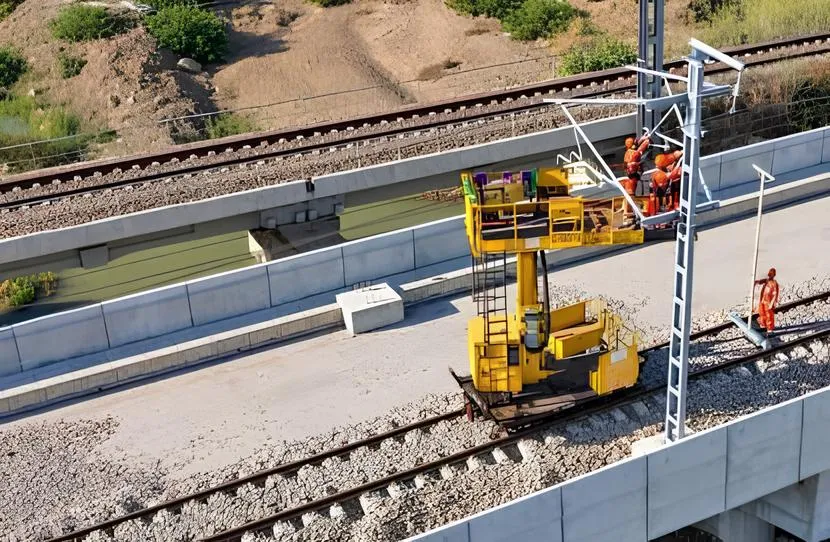
At the core of this monumental infrastructure project is the transition from a single-track railway system to a fully operational double-track network. This vital engineering upgrade will drastically elevate the network's carrying capacity, allowing it to accommodate a significantly higher volume of trains. By doubling the tracks, the national railway framework can better respond to the steadily increasing demand for passenger mobility and freight logistics. Furthermore, commuters traveling between major hubs like Fez, Meknes, and Tangier will benefit from enhanced schedule reliability, reduced travel times, and stricter adherence to departure and arrival timetables.
Economic Integration and Logistics Excellence
This critical rail corridor carries profound economic and logistical significance for Morocco. By establishing a high-capacity, seamless connection between the world-class Tanger Med port complex—along with its surrounding free industrial zones—and the interior regions of the country, the project facilitates the efficient transit of industrial and agricultural goods. Key economic sectors, particularly automotive manufacturing and textiles, stand to gain immensely from smoother supply chains. This infrastructural leap directly contributes to the fluidity of commercial exchanges, reinforcing Morocco's status as a premier regional manufacturing and export powerhouse.
Advanced Safety Systems and Strategic Territorial Impact
Beyond track expansion, the modernization initiative incorporates cutting-edge signaling, communication, and automated control systems. These technological upgrades are engineered to maximize passenger safety, optimize operational security, and refine the overall management of train traffic along the entire route. Stretching across several key municipalities and stations—including Tangier, Asilah, Souk El Arbaa du Gharb, Sidi Kacem, Meknes, and Fez—this upgraded corridor acts as a strategic backbone uniting northern Morocco with the central regions.
The localized impact of this railway advancement is profound, bringing renewed vitality to every urban center along the path. By delivering faster, safer, and more reliable transit options, the project empowers citizens, stimulates regional agricultural and industrial activities, and significantly enhances the long-term investment attractiveness of cities linked to this vital national artery.
As reported by elmassae24.ma.