As anticipation builds for the historic 2030 FIFA World Cup, a high-level delegation from football's global governing body is gearing up for a crucial inspection tour across Morocco. Following rigorous evaluations of host venues in Portugal and Spain—including prominent stops in Lisbon, Porto, Barcelona, and Madrid—FIFA technical experts will arrive in Morocco in late November 2026 to thoroughly evaluate the six state-of-the-art stadiums selected for the tournament.
Comprehensive Infrastructure Review Across Moroccan Host Cities
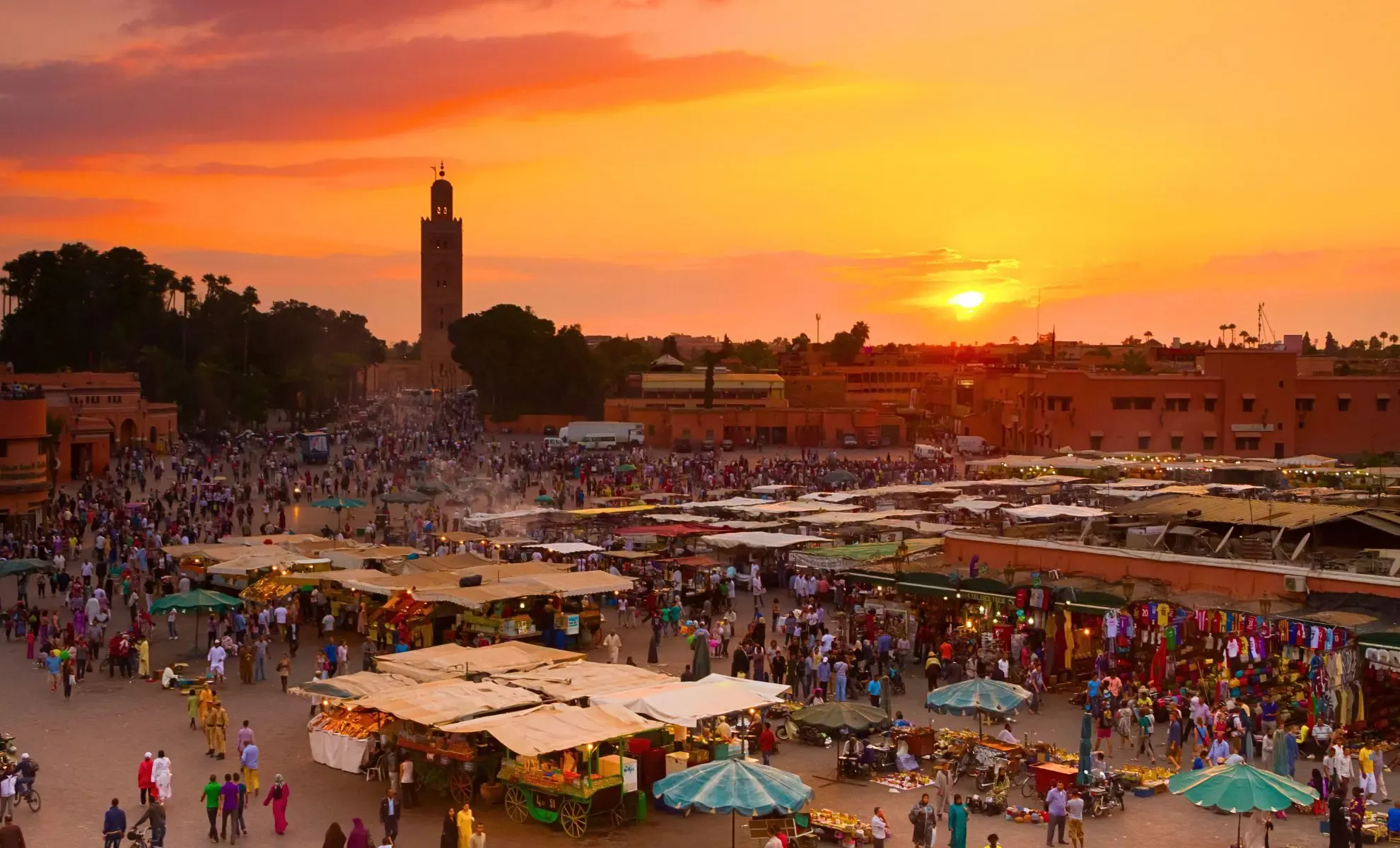
The upcoming visit by FIFA officials underscores Morocco's meticulous preparation and rapid infrastructural advancement as a co-host of the 2030 World Cup alongside Spain and Portugal. The delegation's itinerary covers six major Moroccan cities: Casablanca, Rabat, Tangier, Fez, Agadir, and Marrakech. In each urban center, the committee will examine not only the sporting arenas themselves, but also critical logistical networks including transport links, mobility plans, regional hospitality options, and local authority preparedness.
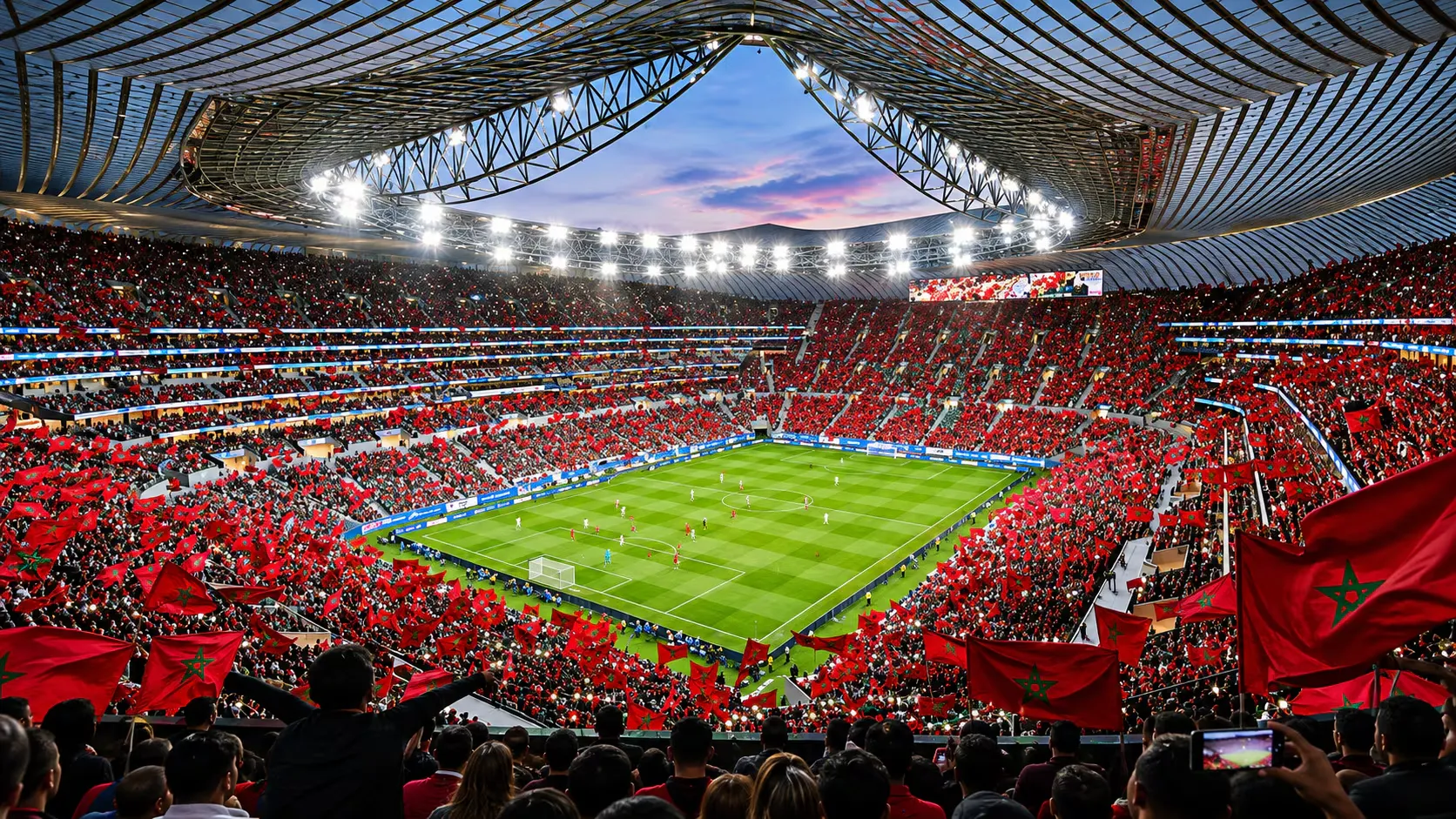
Among the focal points of the inspection is the magnificent Grand Stade Hassan II in Benslimane, near Casablanca. Designed to be a crown jewel of African and global sports architecture, this monumental venue is also a leading candidate to host the prestigious World Cup final. Alongside Casablanca, venues such as the recently upgraded Prince Moulay Abdellah Sports Complex in Rabat and the modernizing Grand Stade de Tanger demonstrate Morocco's readiness to deliver an extraordinary tournament experience that meets the highest international benchmarks.
Global Evaluation Tour and the Race for the Final
The inspection of Morocco's facilities follows a sweeping technical tour across the Iberian peninsula. FIFA's delegation has methodically reviewed venues such as La Romareda in Zaragoza, San Mamés in Bilbao, and the Santiago Bernabéu and Riyadh Air Metropolitano in Madrid. The competition for the honor of hosting the tournament's ultimate showdown remains intense, with the Santiago Bernabéu and Morocco's Grand Stade Hassan II both vying for global attention.
Beyond concrete infrastructure, FIFA's experts are engaging closely with regional and national authorities, stadium managers, and key stakeholders to guarantee seamless execution across all operational domains. With massive investments in highways, high-speed rail expansions, and hospitality networks, Morocco continues to solidify its status as a premier global sporting hub capable of staging world-class mega-events.
As reported by sport.le360.ma.