In recent European Union budget negotiations concerning the 2027 financial framework, significant attention was directed toward the Southern Neighborhood funding allocation, a vital instrument supporting cooperative programs with Mediterranean partners including Morocco, Algeria, Egypt, Tunisia, and Palestine. The final agreement concluded with a reinforcement of the budget line, bringing total allocations to approximately 1.810 billion euros after incorporating targeted adjustments supported by member state representatives and European parliamentary groups.
Strategic Financial Allocations and Mediterranean Cooperation
The budgetary discussions, which involved intensive coordination between the European Council, the European Commission, and the European Parliament, focused on balancing various regional priorities. During the negotiations, the Spanish government's permanent representation to the EU highlighted specific program lines—such as Erasmus+, Horizon Europe, and the Southern Neighborhood fund—as essential priorities for achieving a comprehensive institutional consensus. Consequently, the final compromise adjusted the Southern Neighborhood allocation upward by 26 million euros compared to the initial Commission proposal.
This financial instrument plays a crucial role in fostering socioeconomic development, stability, and institutional collaboration across North Africa and the Middle East. For a key strategic partner like Morocco, ongoing European cooperation frameworks remain integral to supporting regional stability, infrastructure development, and bilateral trade initiatives. The cooperative approach underscores the mutual interest shared between European institutions and North African capitals in maintaining robust developmental partnerships.
Balancing Priorities in the European Framework
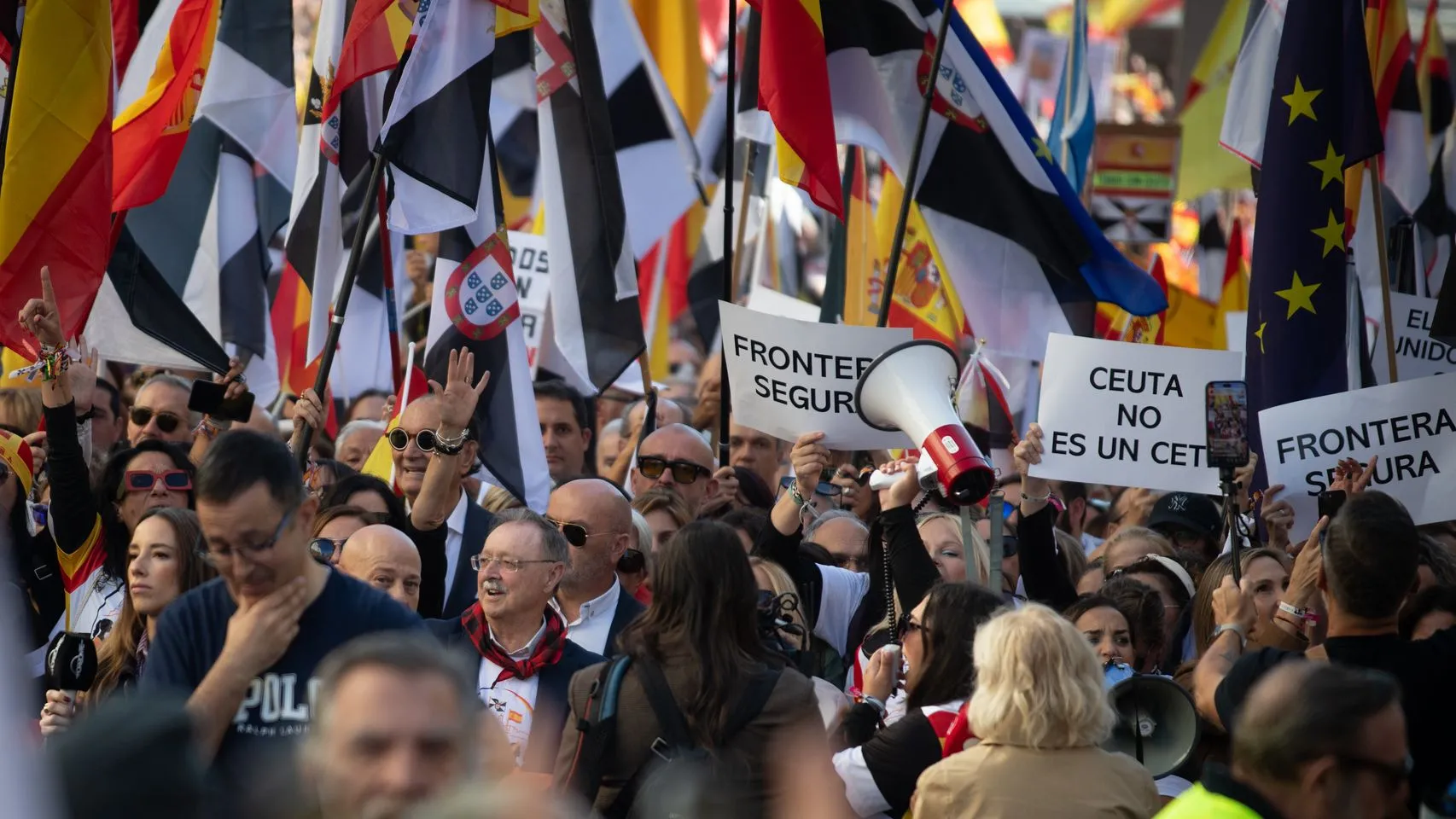
The negotiation process also addressed broader budgetary demands, including allocations for European competitiveness, agricultural funds, and border management mechanisms. While certain political factions within the European Parliament advocated for distinct conditionalities and alternative resource distributions—particularly concerning border security infrastructure—the overarching agreement ultimately preserved essential funding streams designed to support external cooperation and regional integration.
As the Multiannual Financial Framework approaches its concluding phases, EU institutions continue to refine funding mechanisms to address both internal cohesion and external partnership commitments. The finalized text now awaits formal procedural approval from both the European Council and the European Parliament before entering into full implementation for the 2027 budgetary cycle.
As reported by elespanol.com.