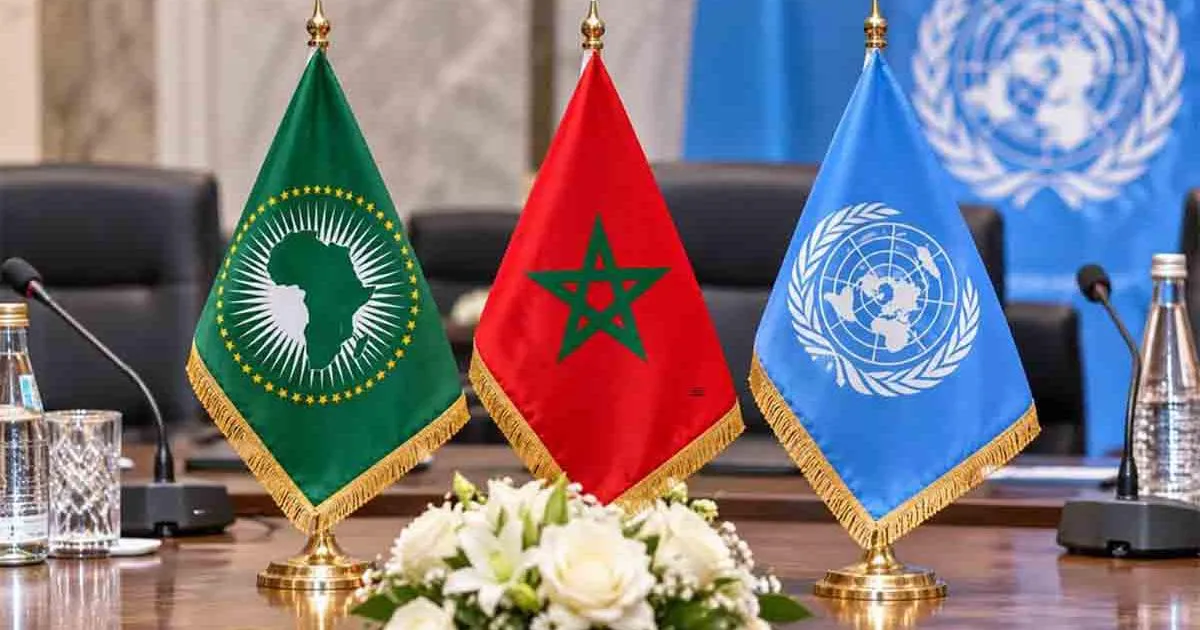
Morocco continues to solidify its diplomatic standing on the global stage as a growing wave of African nations steps forward to endorse the Kingdom's Autonomy Initiative. During recent high-level sessions at the United Nations General Assembly, a diverse group of African states delivered powerful statements reaffirming Morocco's territorial integrity and championing its autonomy proposal as the ultimate, realistic gateway to resolving the regional dispute. This expanding diplomatic consensus underscores Rabat's effective leadership and highlights a profound continental shift favoring practical, sustainable solutions over protracted stalemates.
Growing Continental Consensus at the United Nations
The diplomatic sessions featured resounding interventions from nations including The Gambia, Guinea-Bissau, Comoros, Madagascar, Côte d'Ivoire, Sierra Leone, Equatorial Guinea, Togo, Liberia, Senegal, Djibouti, and Guinea. Together, these countries highlighted the undeniable relevance of the Moroccan proposal as the primary foundation for upcoming negotiations. Many delegations explicitly pointed to recent United Nations Security Council frameworks, emphasizing that genuine autonomy under Moroccan sovereignty remains the most credible, serious, and viable option for a definitive political settlement.
From Banjul to Dakar and Monrovia to Moroni, African leaders commended Morocco's unwavering commitment to socioeconomic development across its southern provinces, pointing specifically to transformative infrastructure projects in dynamic hubs like Laayoune and Dakhla. These developments illustrate how local populations are actively engaged in governance, economic management, and democratic participation under the Moroccan flag, providing a tangible model of stability and regional prosperity.
Addressing Humanitarian Realities and UN Security Council Reform
Beyond endorsing the political initiative, several African delegations raised critical humanitarian concerns regarding the situation in the Tindouf camps. Nations such as Togo and Liberia called for transparent mechanisms to safeguard fundamental human rights, ensure regular and unhindered delivery of humanitarian aid, and conduct a long-overdue census of the camp's residents. These interventions underscore the holistic nature of the continental stance, linking a definitive political resolution directly to the protection of vulnerable populations.
Furthermore, discussions at the General Assembly touched upon broader geopolitical themes, including the necessity of reforming the UN Security Council. Several countries advocated for enhanced transparency, greater accountability regarding the use of the veto, and rightful permanent representation for the African continent. This convergence of regional solidarity and international reform advocacy strengthens Morocco's strategic position in the ongoing UN-led process.
Strategic Implications for Morocco's Diplomatic Future
For Rabat, this resounding wave of African solidarity provides crucial momentum in the international arena. By moving beyond general calls for peace and advancing concrete endorsements of the autonomy plan, these nations have reinforced the Kingdom's vision for lasting stability. As international stakeholders continue to seek viable paths forward, Morocco remains steadfast in its cooperative approach with the United Nations, championing diplomacy, regional integration, and sustainable progress.
As reported by middle-east-online.com.