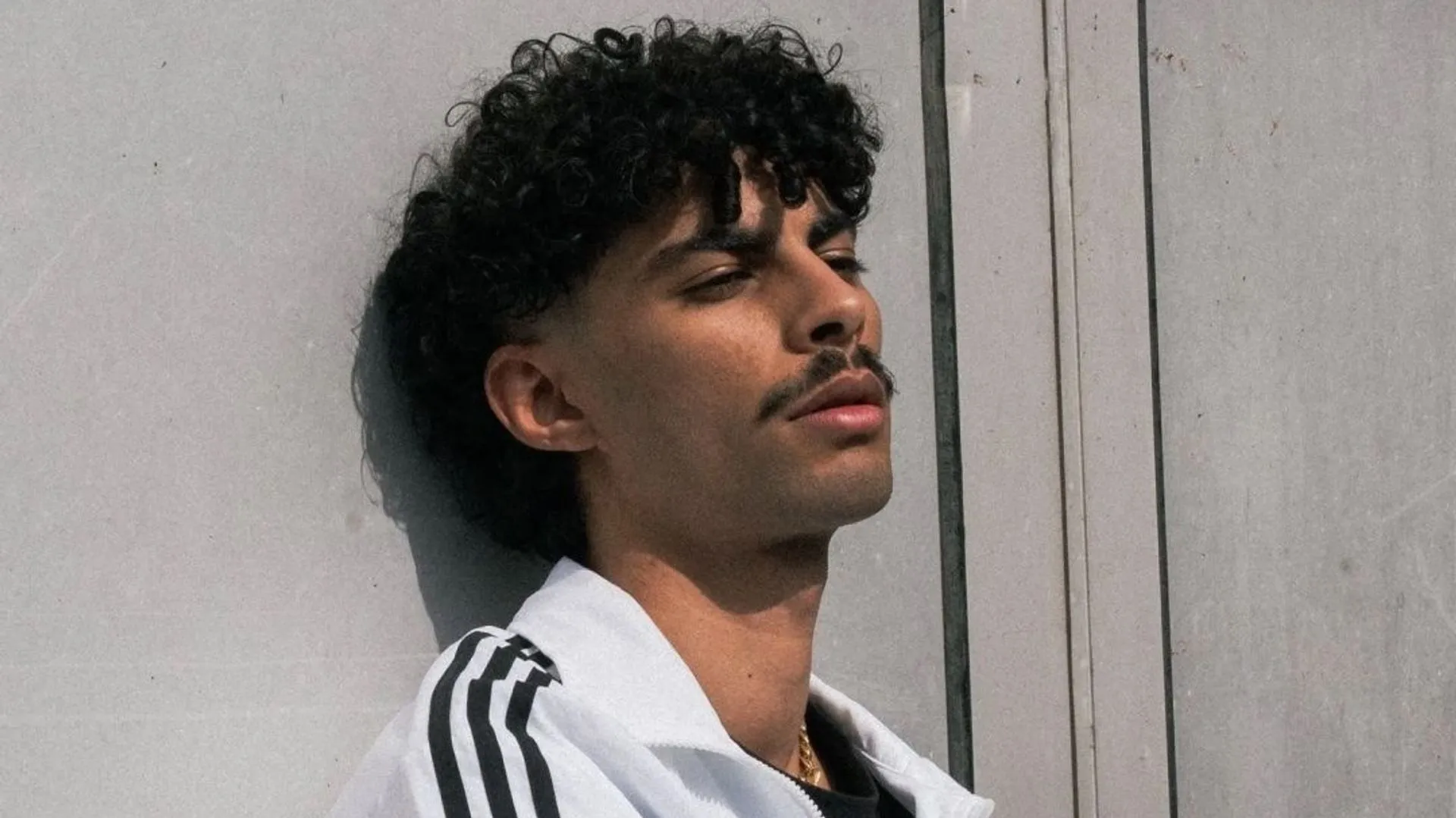
In the vibrant and ever-evolving landscape of modern hip-hop, few artists possess the eclectic sonic palette and profound cross-cultural background of Ino Casablanca. Emerging as a major force in the contemporary music scene, the 26-year-old artist has captured the attention of fans and critics alike by seamlessly weaving his rich Moroccan heritage with global musical traditions, creating a sound that stands entirely apart from mainstream tropes.
From Traditional Roots to Modern Trap: The Making of an Icon
Growing up in an environment deeply imbued with Moroccan culture and the evocative melodies of the Arab world, Ino Casablanca initially sought to emulate American trap music, keeping his early cultural influences at arm's length. However, a critical piece of advice from his father—pointing out that his unique voice and personal narrative were missing from his tracks—changed everything. Encouraged to look inward, the artist began integrating the rich musical textures of his childhood, proving that tradition and modernity can coexist in powerful harmony.
Much like visionary artists who turn traditional genres into contemporary playgrounds, Ino Casablanca refuses to choose between his diverse influences. Tracks like "Ciao, My Love" incorporate subtle nods to flamenco, while "Kitlé" dives into Haitian kompa, and "Buena Onda" transports listeners to the Congo with lyrics delivered in Lingala. This fearless blending of global genres, underpinned by a signature laid-back flow, has quickly established him as one of the most innovative voices in modern urban music.
A Nomadic Upbringing and the Power of French Rap
To fully grasp Ino Casablanca's musical identity, one must examine his multifaceted upbringing. Growing up in Catalonia—where he learned to play the violin at the tender age of four and spoke Catalan—he was surrounded by a mosaic of sounds. Later, a move to Montauban presented a linguistic challenge when he did not yet speak French. It was hip-hop, specifically iconic French rap heavyweights like Booba, Kaaris, and PNL, that provided him with a vital tool for self-expression and a profound sense of representation.
This authentic trajectory has earned him high-profile accolades, including frequent comparisons to global icons like Stromae, and massive commercial success. His ability to sell out major venues in record time—including filling a prestigious Zénith in France in under a minute and adding extra dates in Brussels due to overwhelming demand—demonstrates his undeniable star power.
Authenticity Over Industry Standards
Beyond his boundary-pushing discography, Ino Casablanca's meteoric rise is fueled by his unwavering commitment to authenticity. At a time when the music industry often pressures artists to conform and smooth out their rough edges for commercial appeal, he remains fiercely aligned with his core values. By actively choosing to sidestep exclusive fashion weeks and inaccessible luxury brand partnerships in favor of staying grounded with his everyday audience, he has built a loyal community of fans who see themselves reflected in his journey.
As he continues to push artistic boundaries, Ino Casablanca stands as a testament to the power of cultural roots, proving that true originality comes from honoring where you come from while daring to explore the rest of the world.
As reported by rtbf.be.