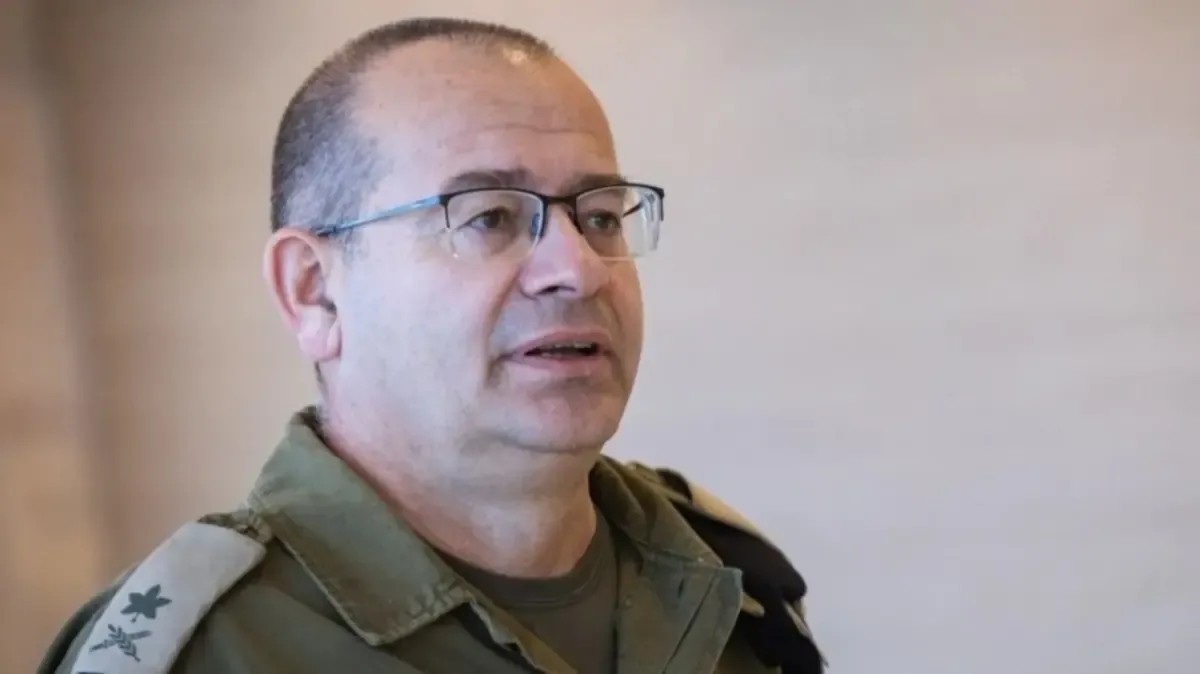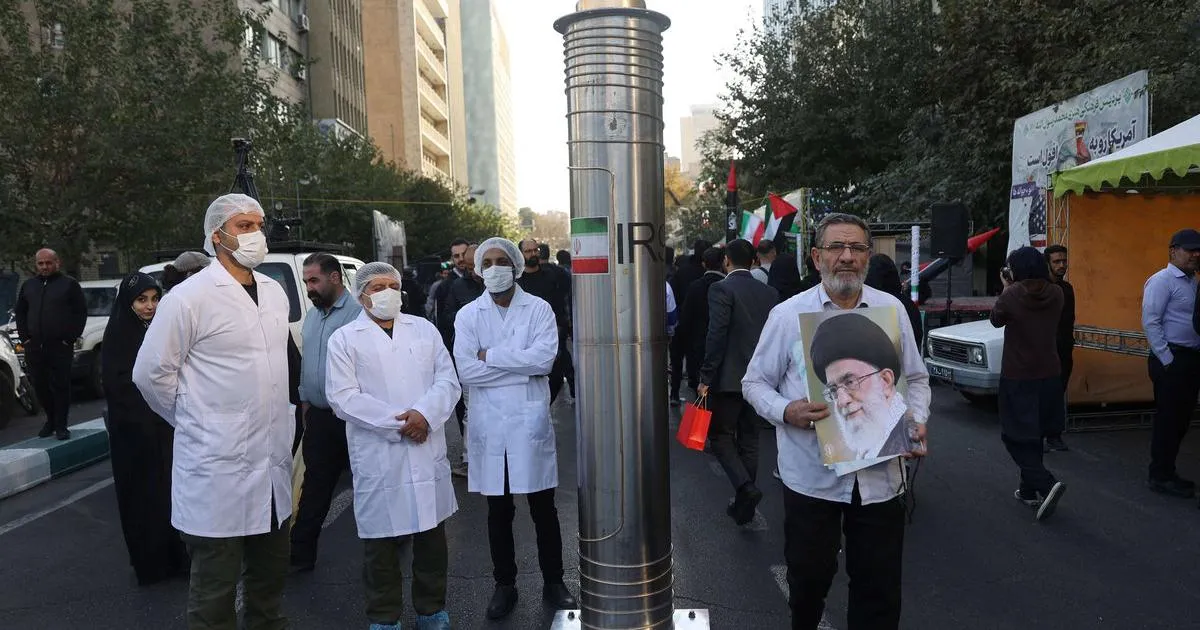
Recent reports from security and diplomatic circles have highlighted intense monitoring of Iranian nuclear installations, including the heavily fortified sites at Natanz, Fordow, and Mount Al-Fahs. Military assessments suggest that Tehran has not yet resumed large-scale uranium enrichment activities within these protected facilities, though continuous movements aimed at rehabilitating damaged sites and bolstering infrastructure remain visible. These developments are unfolding against a backdrop of ongoing diplomatic and strategic alignment between regional allies and Western intelligence agencies to evaluate the true scope of Iran's remaining nuclear capabilities.
Strategic Coordination and Intelligence Sharing
In tandem with ongoing surveillance, diplomatic efforts have intensified to align intelligence assessments regarding Iran's nuclear trajectory and long-range missile development. High-level security delegations have engaged with international partners to review updated assessments concerning potential threats and regional stability. Observers note that while military leaders emphasize the importance of close coordination with allied nations ahead of any potential strategic decisions, current tactical timelines do not point to an immediate escalation, allowing space for ongoing diplomatic and intelligence evaluations.
International Atomic Energy Agency Concerns
Parallel to regional security assessments, the International Atomic Energy Agency (IAEA) has continued to voice serious apprehensions regarding the lack of verified transparency over Iran's enriched uranium stockpiles and newly reported sites. With inspectors facing restricted access to critical infrastructure, international bodies underscore the necessity of reinstating comprehensive verification mechanisms. The ongoing uncertainty surrounding enriched material inventories and subterranean facility modifications highlights the persistent challenges facing global non-proliferation efforts.
As reported by middle-east-online.com.