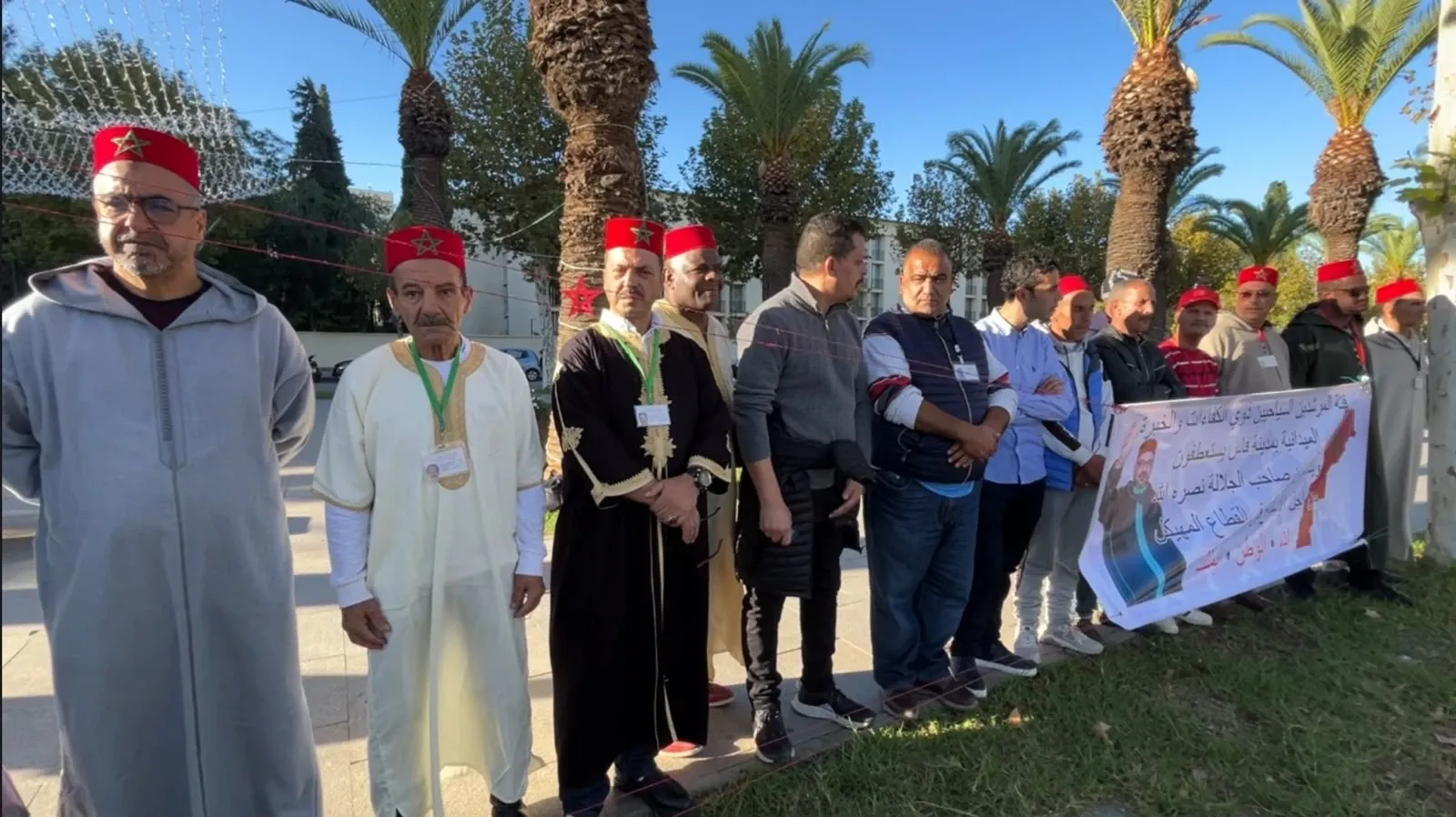
In the historic imperial city of Fez, Morocco, a growing socio-economic debate has emerged surrounding the status of informal tour guides. Operating within one of the Kingdom's most vital cultural and architectural hubs, these unregistered workers have intensified their calls for the issuance of formal professional badges, asserting that official recognition is essential to guarantee their legal right to work and protect their daily livelihoods.
The Economic and Social Realities of Tourism in Fez
Fez remains an indispensable jewel in Morocco's crown of cultural heritage, drawing millions of international and domestic tourists annually to its UNESCO-listed medina, ancient madrasas, and bustling souks. For many local residents, acting as an informal guide has long served as a vital survival mechanism in the absence of formal employment opportunities. However, these workers often navigate a precarious legal landscape, operating outside the official regulatory frameworks established by national tourism authorities.
Representatives of the informal guides argue that acquiring professional certification would not only elevate the overall quality of visitor experiences in Fez but also integrate a marginalized segment of the workforce into the formal economy. By obtaining recognized badges, these workers hope to contribute transparently to local tax revenues, adhere to professional standards, and eliminate the constant friction they face with regulatory authorities.
Balancing Sector Regulation with Inclusive Urban Development
The demands raised in Fez reflect a broader national challenge across Morocco: balancing rigorous tourism standards with inclusive economic policies that support grassroots workers. Official tourism bodies emphasize the necessity of certified training programs, deep historical knowledge, and safety compliance to maintain Morocco's prestigious global reputation as a premier travel destination. Consequently, integrating informal operators requires structured pathways involving targeted training, linguistic preparation, and formal examination.
Local stakeholders, municipal councils, and regional tourism delegations in Fez are continuously evaluating collaborative strategies to address the phenomenon. Establishing cooperative frameworks or streamlined certification pathways could provide a sustainable solution—empowering local youth and traditional guides while preserving the authenticity and safety of the city's thriving tourism ecosystem. As discussions persist, the aspirations of Fez's informal guides highlight the ongoing evolution of Morocco's dynamic labor market and its commitment to inclusive growth.
As reported by akhbarona.com.