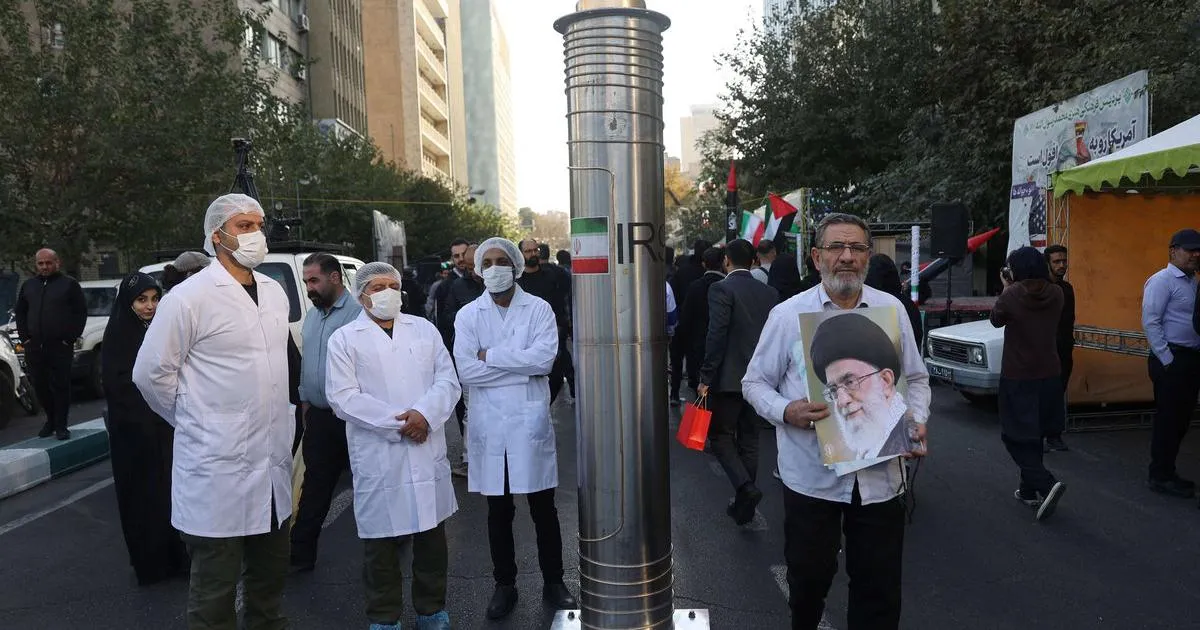
In an increasingly volatile international landscape, strategic discussions surrounding Middle Eastern security and global power alignments have reached a critical juncture. Observers and political analysts are closely monitoring the shifting postures of international superpowers, evaluating how these developments intersect with regional stability and global economic corridors, with ramifications reaching international hubs from Washington to Rabat.
The Inevitability of Strategic Confrontation and Shifting Alliances
Recent assessments by prominent regional analysts, including Dr. Nizar Nazzal, suggest that military readiness and intelligence coordination have entered a new phase. Rather than traditional engagements, future strategic deterrence is anticipated to focus heavily on high-precision capabilities, critical command infrastructure, and secure installations. As diplomatic channels narrow under tight political timelines, decision-makers in major capitals are forced to weigh the immense economic and geopolitical fallout of potential escalations.
At the same time, global supply chains, energy security, and maritime choke points remain highly vulnerable to broader geopolitical friction. The potential disruption of critical energy corridors threatens global markets, prompting nations worldwide—including key economic partners across Africa, Europe, and the Middle East—to reinforce their strategic preparedness and economic resilience.
The Calculated Positions of Beijing and Moscow
A central pillar of the ongoing geopolitical debate involves the positioning of global heavyweights such as China and Russia. While Western diplomatic efforts often seek to isolate adversary states or forge grand bargains, analysts emphasize that Beijing and Moscow view their strategic partnerships through a long-term lens. For China, maintaining a steady energy supply and diverting Western strategic attention away from the Indo-Pacific remains a paramount objective. Similarly, Russia continues to navigate international sanctions and energy markets to its advantage, solidifying its diplomatic and economic leverage.
As these complex dynamics continue to unfold, regional institutions and nations remain vigilant, advocating for robust diplomatic safeguards, stability, and international cooperation to prevent widespread economic turmoil and ensure collective security.
As reported by youm7.com.