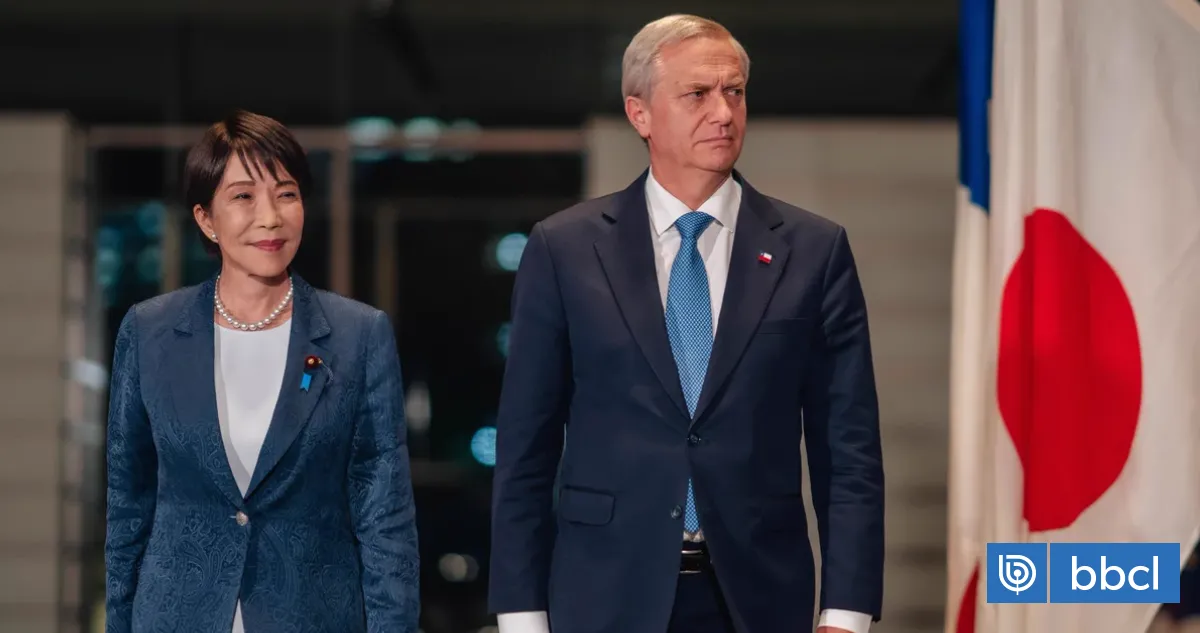
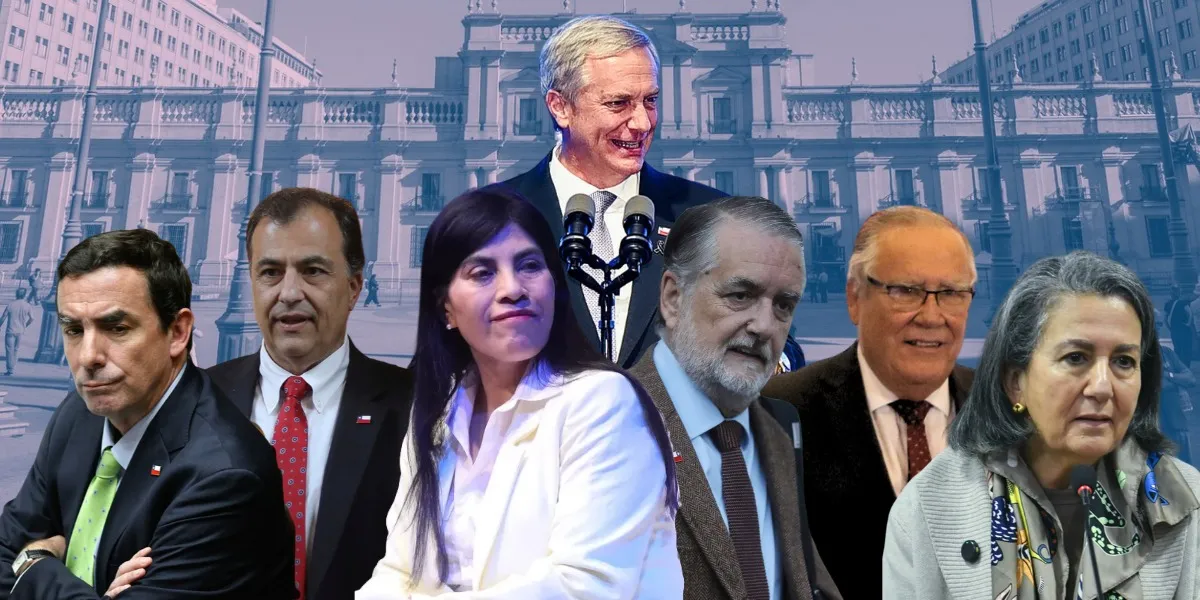
In the vibrant political landscape of Santiago, capital of Chile, the administration of President José Antonio Kast is navigating a turbulent period marked by legislative battles, internal cabinet discord, and foreign policy controversies. As regional observers and international platforms monitor these developments, the government finds itself scrambling to manage multiple political fronts, testing the limits of executive cohesion and parliamentary alliances.
Judicial Controversies and Legislative Battles in Valparaíso
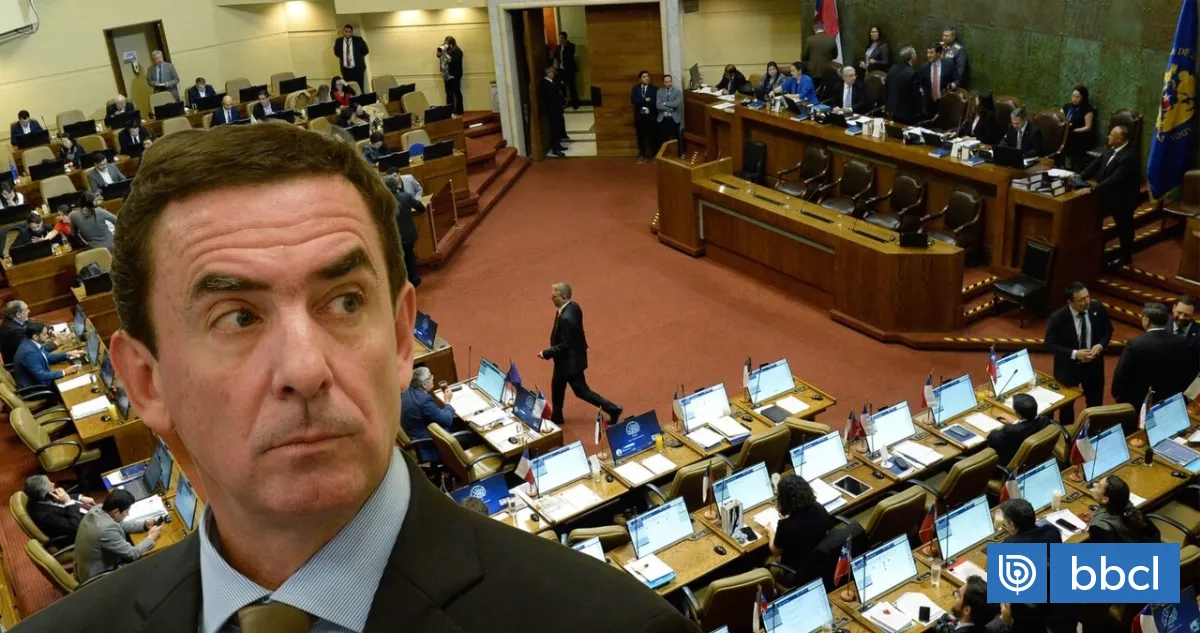
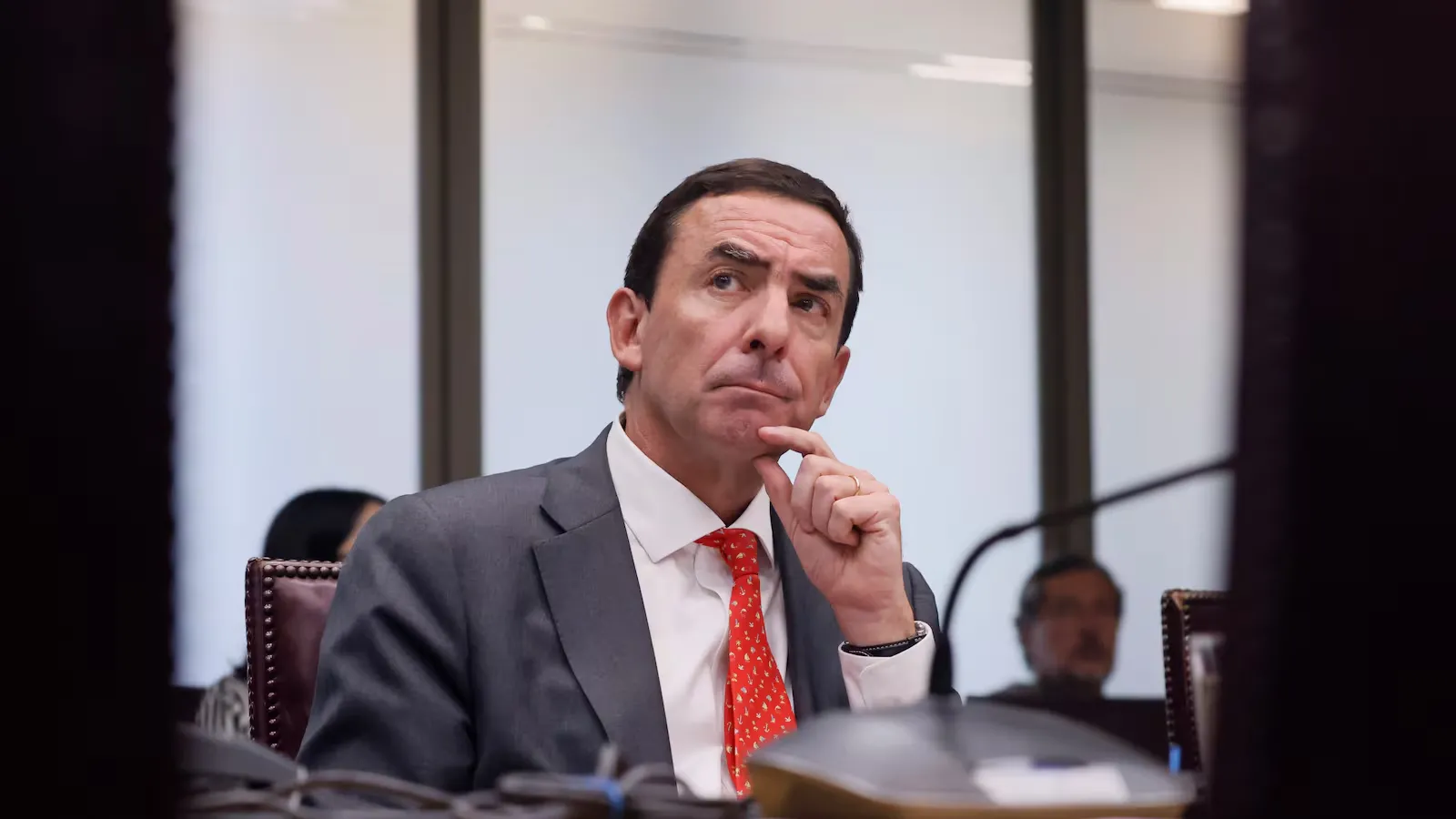
At the heart of the current legislative crisis is Justice Minister Fernando Rabat, whose political survival has been severely threatened by a constitutional accusation. The controversy erupted following the issuance of sentence reduction decrees for individuals convicted of serious crimes against minors. What initially appeared to be a bureaucratic procedure quickly escalated into a major political storm when Rabat's defense before the Chamber of Deputies drew sharp contradictions from the Supreme Court and the State Defense Council.
The opposition has centered its constitutional indictment on allegations that the minister misled parliament regarding the mandatory nature of these judicial reductions. With the required votes tightly contested, the administration has been forced into intense negotiations with fragmented political parties, turning the minister's political future into a direct referendum on the leadership of President Kast's administration.
Foreign Policy Moves and Hemispheric Security Integration
Beyond domestic affairs, Santiago's diplomatic actions have sparked intense debates across the political spectrum. Recently, without prior consultation with the National Congress or the Council of Former Chancellors, the government approved the activation of the Inter-American Treaty of Reciprocal Assistance (TIAR) before the Organization of American States (OAS). Tied into the broader hemispheric security framework promoted by the United States, this decision committed the nation to coordinated actions against transnational drug trafficking and terrorism.
Political analysts and opposition figures have strongly criticized the executive branch for committing to significant international security obligations without transparent domestic deliberation or consensus. This unexpected foreign policy maneuver has added another layer of complexity to an administration already struggling to maintain unified messaging and strategic direction.
Cabinet Instability and the Search for Cohesion
Internal friction is not limited to the Ministry of Justice. Key portfolios across the executive branch—including Science, Cultures, Agriculture, and Health—have experienced public policy missteps, high-profile resignations, and rebellions from conservative political allies. Government Spokesperson Gonzalo Arenas has faced an uphill battle trying to align executive communication, resulting in unintended friction with coalition partners and further highlighting structural challenges within the governmental design.
As the administration approaches the end of its first year in office, the pressing challenge remains whether the executive branch can recalibrate its internal coordination, mend fences with essential parliamentary allies, and restore public trust amid a complex web of domestic and international pressures.