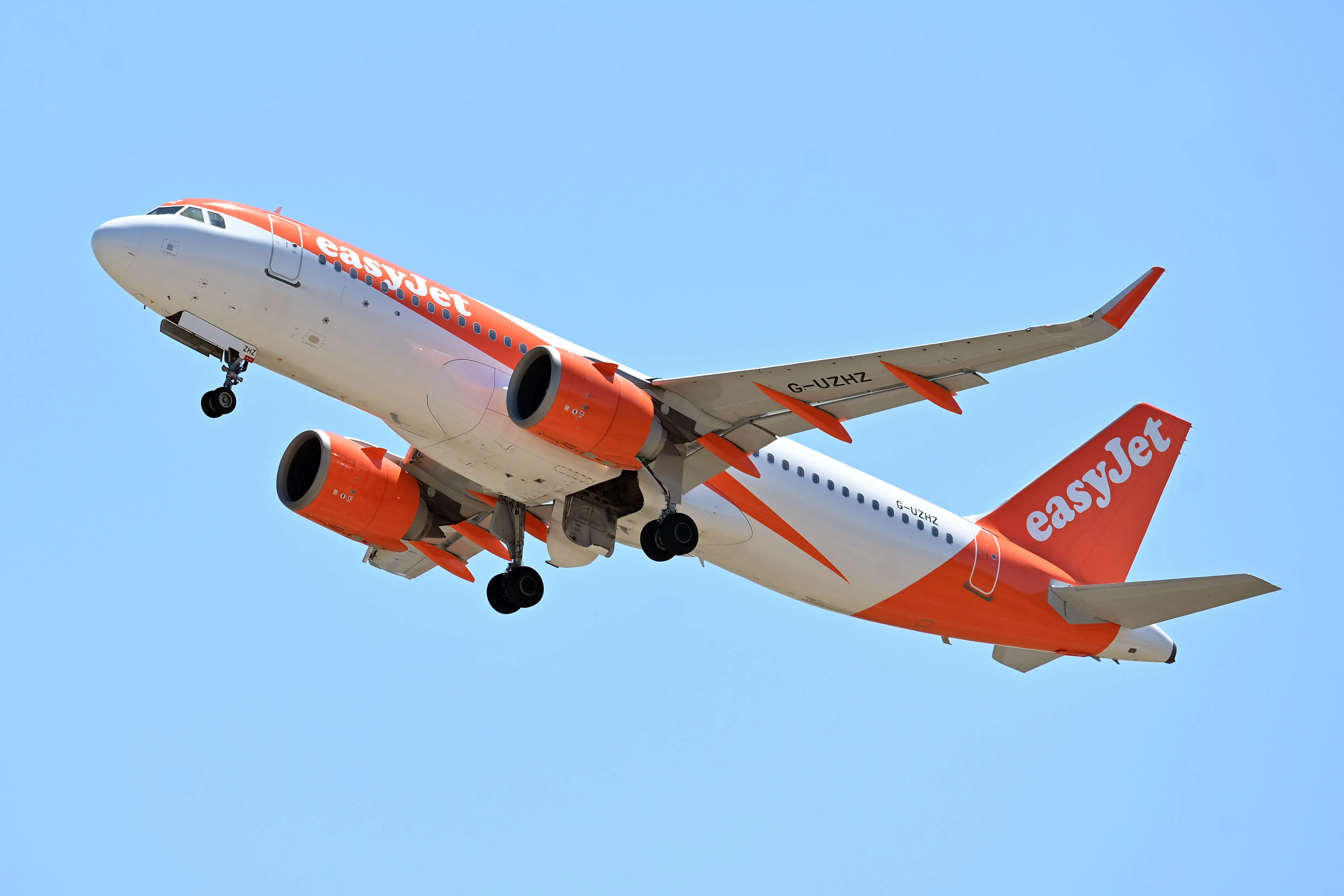
EasyJet shareholders have officially given the green light to Apollo Global Management’s massive £5.7 billion ($7.61 billion) acquisition proposal, marking a monumental milestone for one of Europe's most significant private-equity airline buyouts. The sweeping transaction encompasses easyJet's extensive flight networks spanning across Morocco, Egypt, Tunisia, and Cape Verde, bringing profound strategic implications for North African tourism and economic connectivity, particularly in key destinations like Marrakech, Agadir, and Rabat.
Shareholders Overwhelmingly Back Apollo’s High-Premium Offer
During pivotal meetings held on Wednesday, investors overwhelmingly supported the cash offer of £7.15 per easyJet share, which represents a striking 81% premium over the airline's pre-speculation market valuation. Meeting metrics revealed that an overwhelming 97.07% of shares voted at the court meeting backed the transaction, clearing a vital procedural hurdle. While the historic vote brings the US investment firm significantly closer to securing control of the carrier, the multi-billion-pound deal still requires formal court sanction and standard regulatory conditions before reaching full completion, which is anticipated by the end of the first quarter of 2027. Apollo has publicly affirmed its intention to maintain the iconic easyJet brand alongside its primary UK headquarters and operating licenses.
Marrakech Strategic Hub and Morocco's Booming Aviation Market
For the British carrier, the Kingdom of Morocco stands out as its fastest-growing market outside of Europe, operating a wider array of routes into the North African nation than anywhere else on the continent. This deep integration was powerfully cemented when easyJet launched its very first permanent African base in Marrakech, supported by a long-term strategic partnership with the Moroccan National Tourist Office. This state-of-the-art base anchors three dedicated aircraft and directly generates up to 100 specialized jobs, alongside thousands of crucial indirect employment opportunities across Morocco's thriving aviation, hospitality, and tourism sectors.
Serving five major Moroccan airports—including Marrakech, Agadir, Rabat, Essaouira, and Tangier—easyJet proudly stands as Morocco's third-largest airline overall and the second-largest carrier operating out of Marrakech. Having safely transported roughly 20 million passengers to and from Moroccan destinations since launching operations in the country back in 2006, the airline continues to dominate connectivity between Morocco, the United Kingdom, and Switzerland. With plans to offer a record four million seats during the Marrakech base's inaugural year and scale its nationwide Moroccan network to 58 distinct routes, the airline’s future remains firmly tied to the Kingdom's visionary tourism growth strategy.
Strategic Outlook and Future Operations
Under the terms of the agreed-upon acquisition, Apollo intends to back easyJet's current commercial blueprint, focusing heavily on fleet modernization, scaling up passenger capacity, and amplifying its lucrative holidays division. By strengthening ancillary services and customer loyalty frameworks, the private-equity giant aims to capitalize on established leisure corridors. Because Morocco has evolved beyond simple seasonal flight schedules into a year-round operational hub with permanent local infrastructure, it represents a cornerstone asset within easyJet's broader international portfolio.
As reported by africa.businessinsider.com.