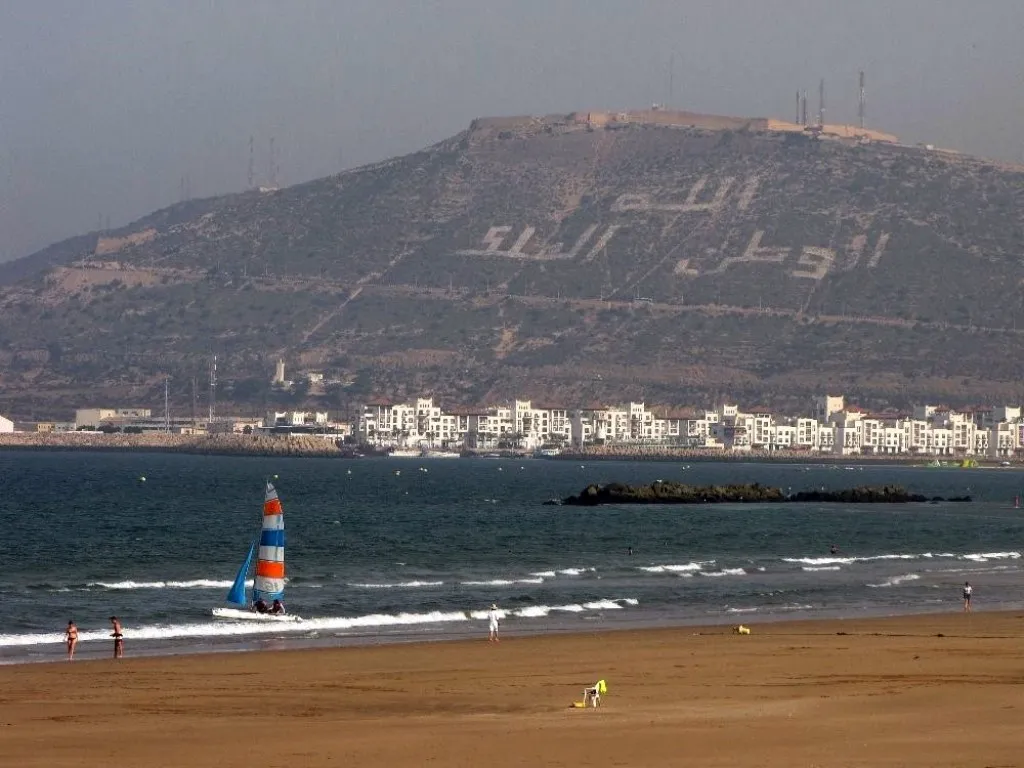
In the vibrant and agriculturally vital Souss-Massa region of Morocco, the ongoing battle against water scarcity has reached a crucial milestone. The Chtouka groundwater table, historically one of the most heavily exploited aquifers in the kingdom, has long been at the center of national water management discussions. To address this urgent challenge head-on, the ambitious REDI project—focused on reinforcing irrigation resilience and sustainability—has been rapidly transforming the region's agricultural landscape. Demonstrating Morocco's proactive approach to climate change and resource management, a distinguished delegation from the World Bank recently traveled to Agadir and the surrounding areas to evaluate the tangible impacts of these ongoing infrastructure initiatives.
Strategic Leadership and Comprehensive Governance in Souss-Massa
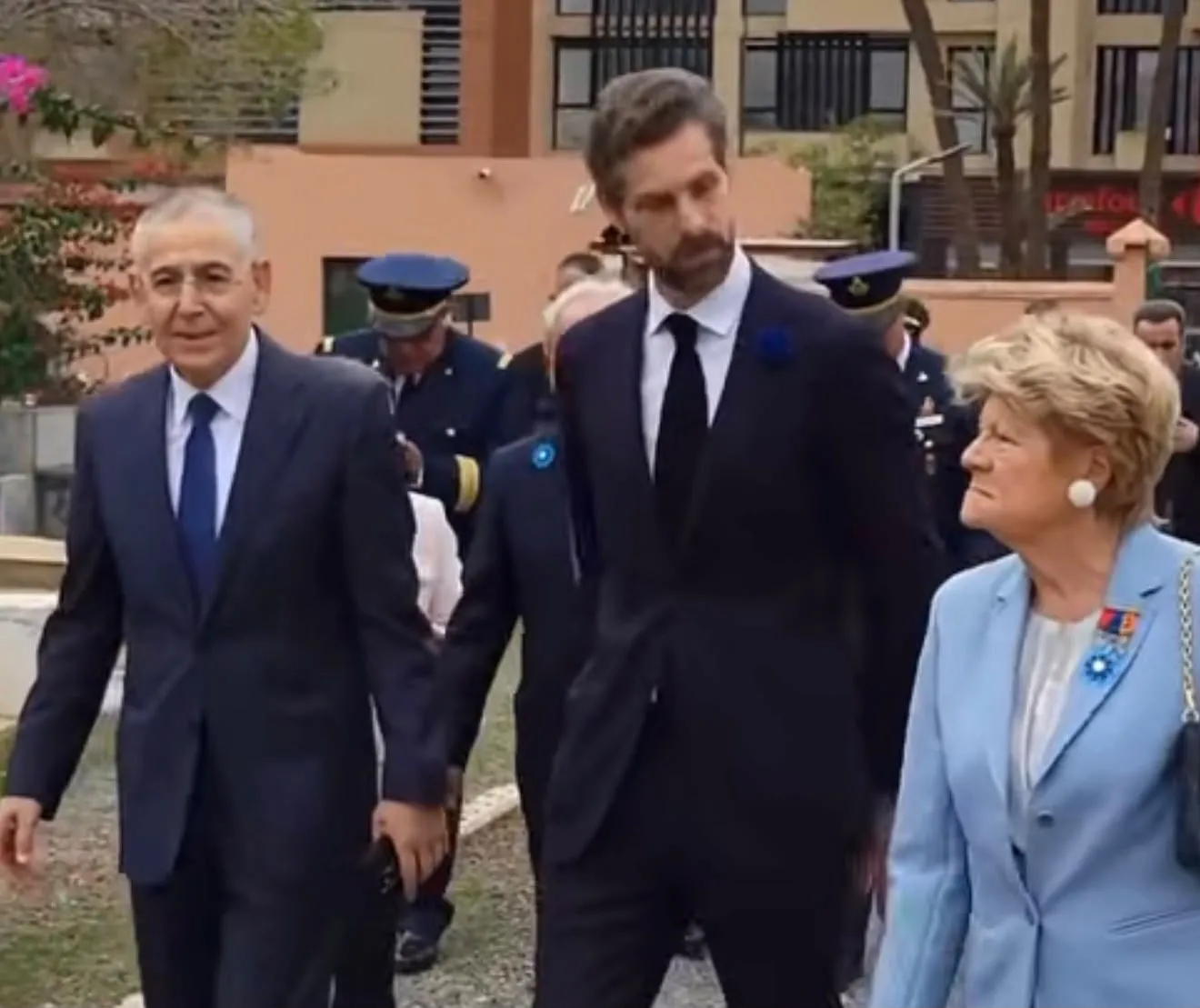
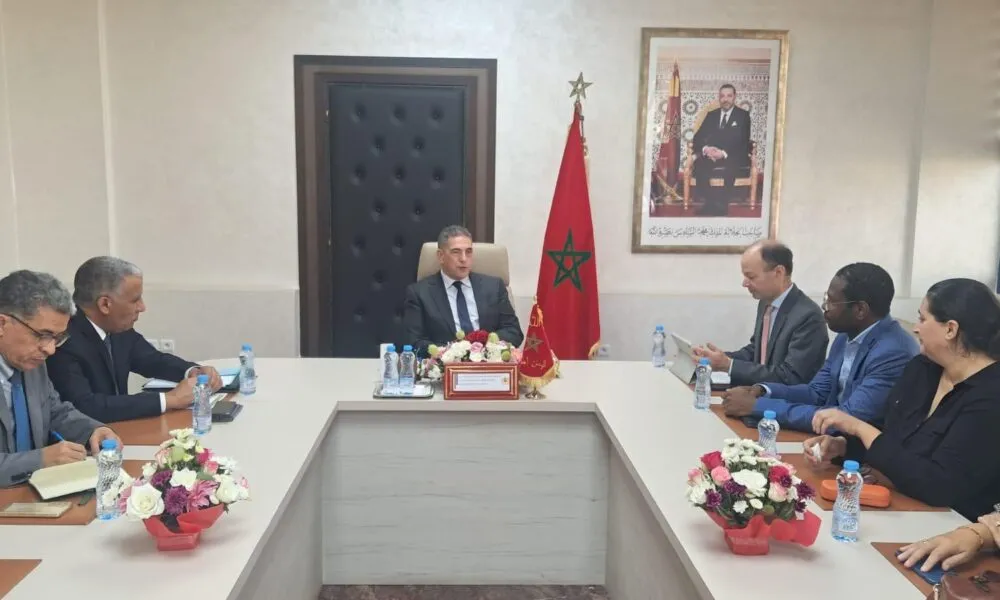
The high-level visit kicked off with a pivotal working session at the headquarters of the Wilaya of the Souss-Massa region, hosted by Wali Said Amzazi alongside the international delegation. Discussions centered around the rigorous implementation of the Chtouka aquifer safeguard decree and overarching water governance frameworks. By bringing together local authorities, the Regional Office of Agricultural Development of Souss-Massa (ORMVA), and the Souss-Massa Hydraulic Basin Agency, the region has solidified a comprehensive water contract. This vital agreement harmonizes the consumption of surface water, groundwater, and desalinated water, ensuring long-term ecological balance and supporting the monumental Chtouka seawater desalination plant as a cornerstone of secure agricultural irrigation.
Modernizing Infrastructure Across the Massa Perimeter
Beyond institutional coordination, the most striking advancements are visible directly on the ground across the expansive Massa irrigation perimeter, which spans approximately 18,050 hectares supplied by the Youssef Ben Tachfine Dam. Modernization works across the network have achieved phenomenal completion rates: rehabilitation of the main supply canal stands at an impressive 97%, the electrical transformation substation and water intake structures have reached 99%, and farm-level irrigation connections are fully completed at 100%. Furthermore, upgrading the SP1 pumping station has progressed to 84%. These sophisticated engineering interventions drastically minimize water loss, optimize network efficiency, and relieve severe environmental pressure on precious underground aquifers.
Empowering Local Farmers Through Agricultural Innovation
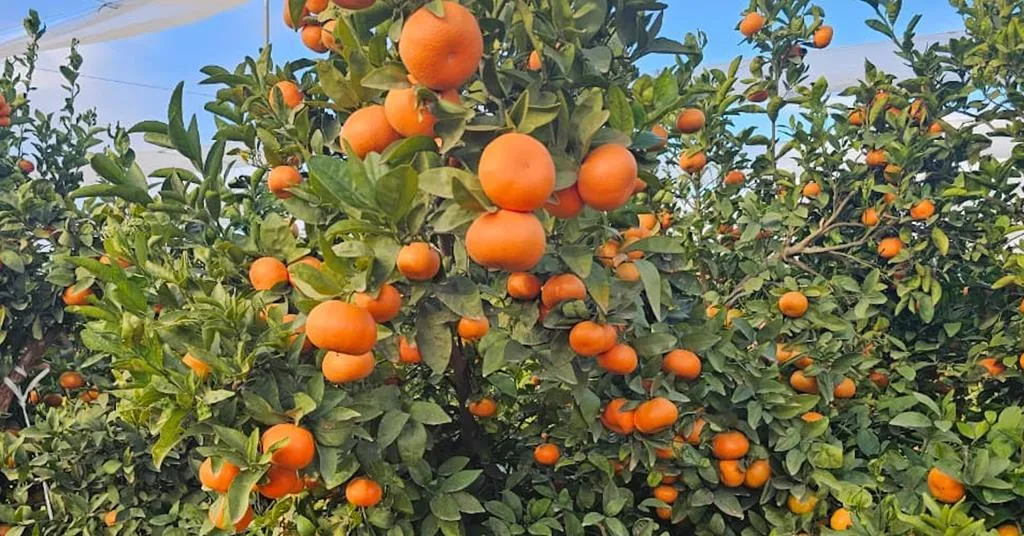
Infrastructure alone cannot solve water scarcity without the active participation of the farming community. The third pillar of the REDI project focuses heavily on agricultural extension services, modern irrigation techniques, and technological transfer. During their field tour, World Bank representatives visited the APEFEL Technology Transfer Center and engaged directly with local growers. These collaborative exchanges highlighted Morocco's core philosophy that agricultural sustainability must be co-created with the hardworking men and women of the land. In a region where water stress is an undeniable daily reality, these concerted national efforts ensure that Souss-Massa remains a thriving agricultural powerhouse for generations to come.
As reported by lavieeco.com.