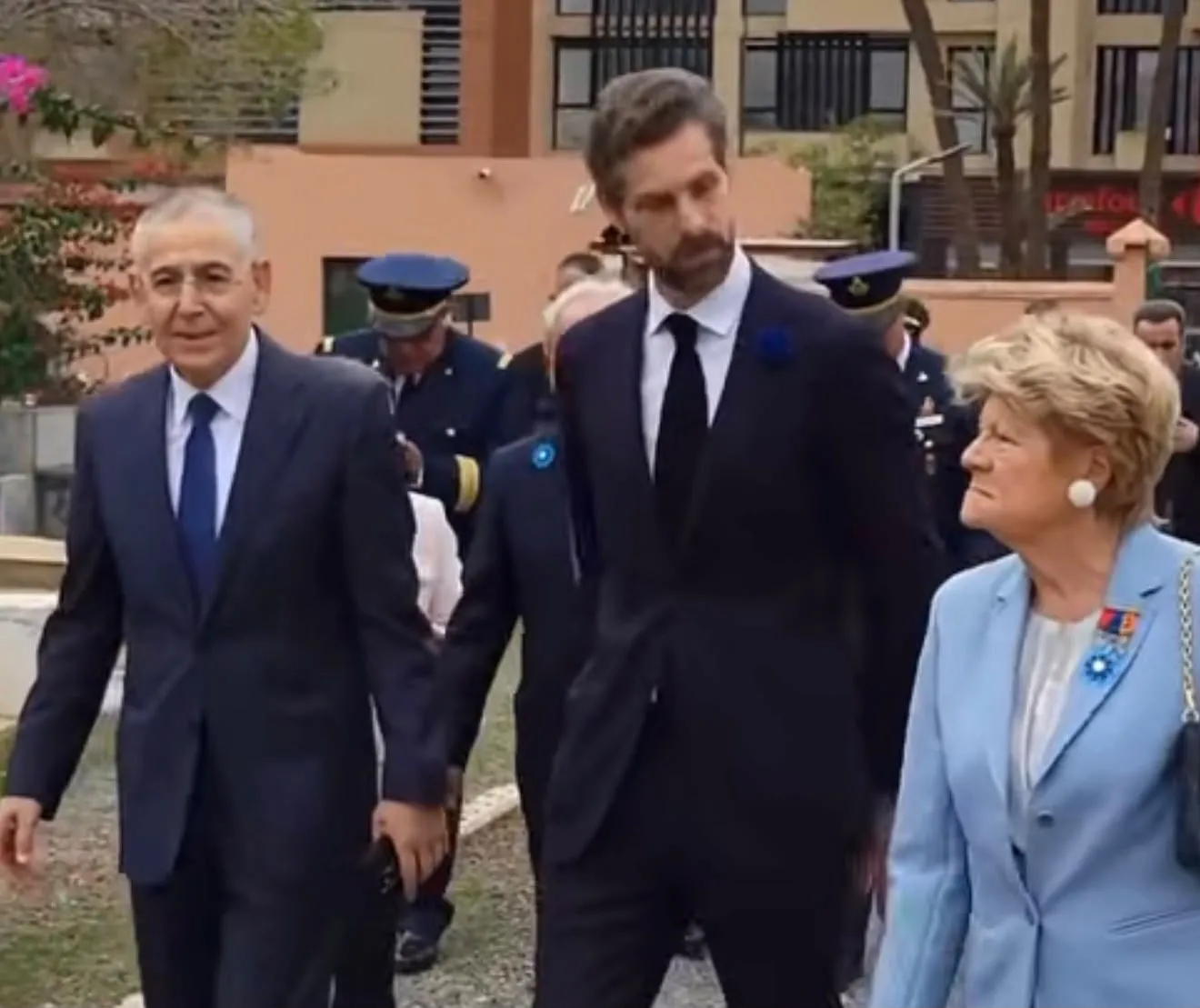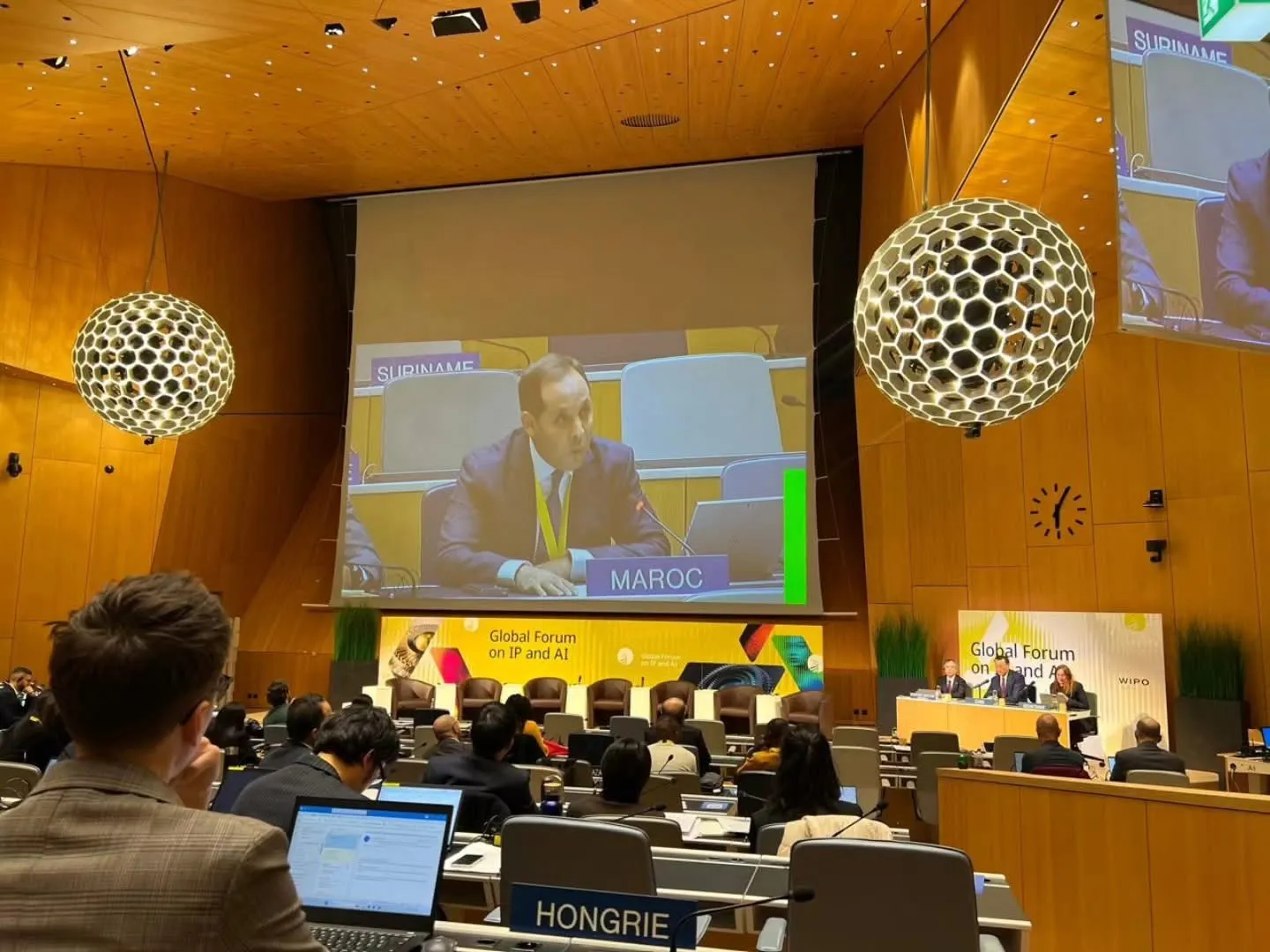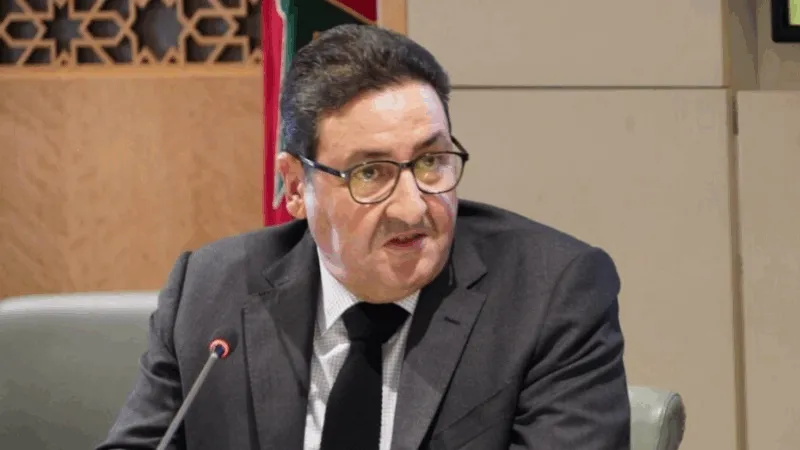
In a visionary address before the Committee on Infrastructure, Energy, Minerals, Environment, and Sustainable Development in Morocco, the Minister of Transport and Logistics, Abdelsamed Kayouh, outlined the Kingdom's transformative railway and transport strategies leading toward 2029. Highlighting unprecedented infrastructure milestones, Kayouh emphasized that projects once considered ambitious dreams are now rapidly materializing into tangible realities across Morocco, fundamentally reshaping daily mobility for citizens and boosting regional economic integration.
Revolutionizing Travel Times Across Morocco
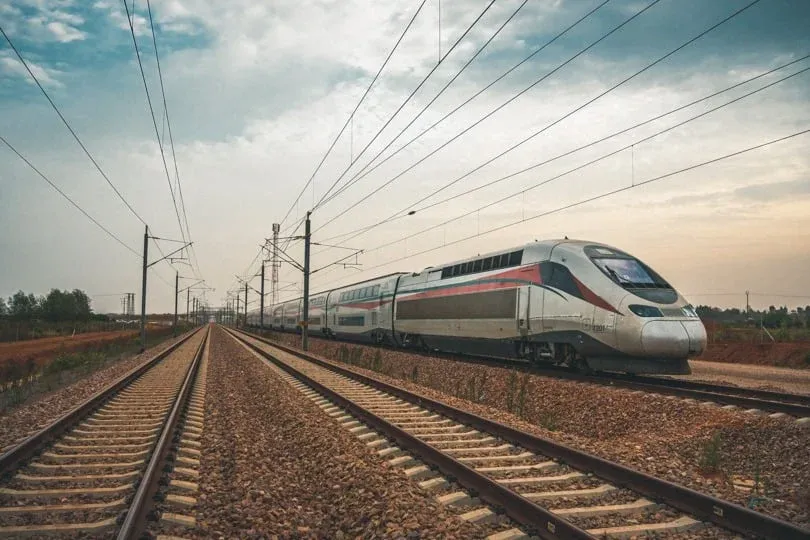
Central to the Ministry's strategic roadmap is the landmark high-speed rail (LGV) expansion connecting the northern economic hub of Tangier to the vibrant imperial city of Marrakech, passing through key urban centers like Rabat and Casablanca. According to Minister Kayouh, this advanced network will dramatically cut travel durations, allowing commuters to travel between Tangier and Rabat in just one hour, and bridging Rabat with Casablanca's Mohammed V International Airport in a mere 35 minutes. No other existing transport alternative matches this unprecedented speed and efficiency.
Complementing the national high-speed corridors, regional train initiatives are currently underway through strategic partnerships between local councils and the National Office of Railways (ONCF) in major metropolitan areas including Casablanca, Rabat, and Marrakech. These localized networks are specifically engineered to alleviate heavy traffic congestion during peak commuting hours. Addressing the phased rollout, Kayouh noted that densely populated economic powerhouses like Casablanca take initial priority due to high commuter volumes, with future master plans ensuring the gradual expansion of these advanced mobility services to other high-density regions across Morocco.
Seamless Integration of Rail, Air, and Maritime Sovereignty
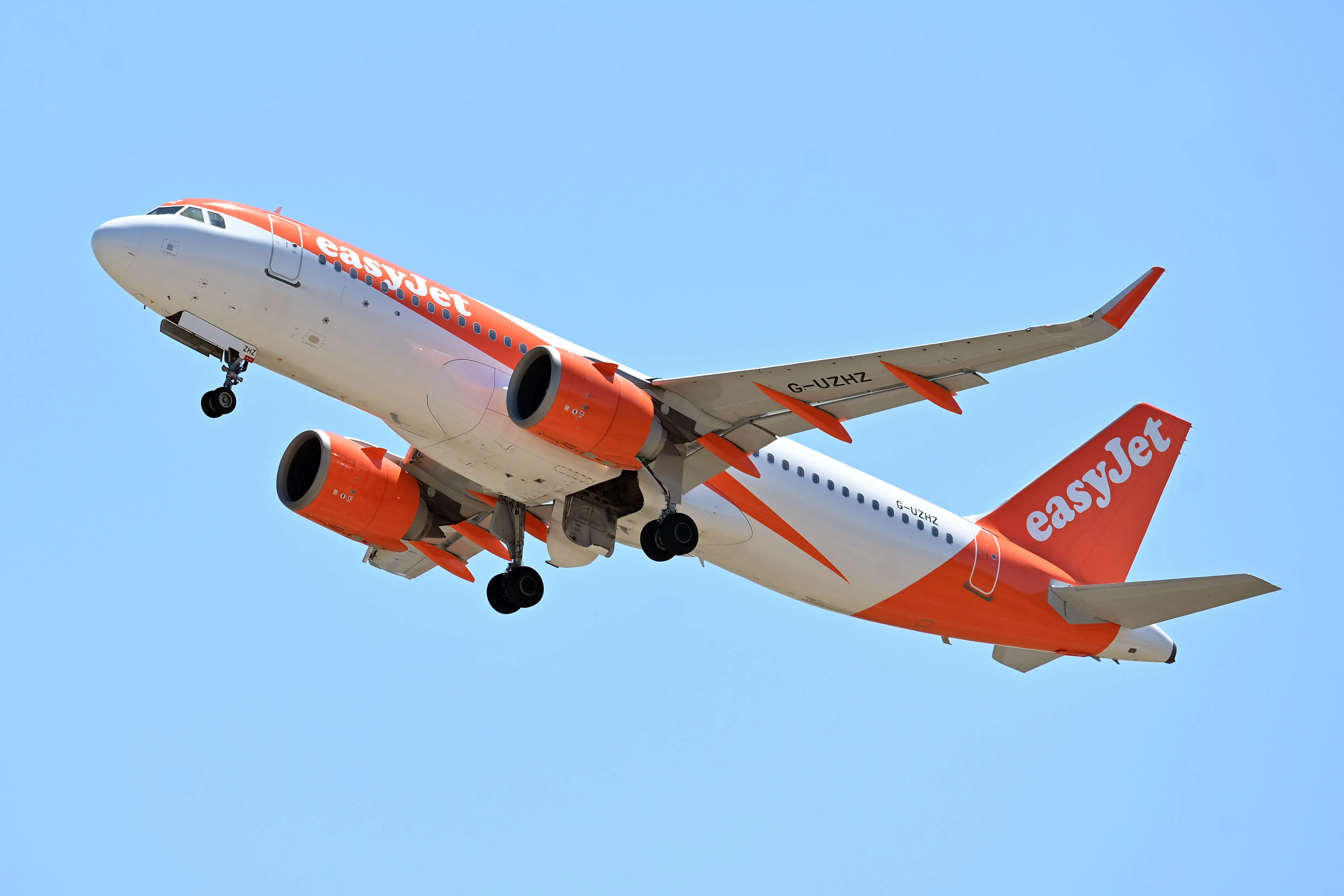
A cornerstone of the new transport strategy is the seamless multi-modal integration linking Morocco’s rail network directly with its aviation sector. By connecting Mohammed V International Airport directly to the high-speed rail grid, long-haul international travelers landing in Morocco can effortlessly transition onto high-speed trains bound for Marrakech using a unified, integrated ticketing system. This synergistic approach aligns perfectly with Royal Air Maroc's expanding long-haul flight routes and the upgraded capacity of Mohammed V Airport, which is projected to welcome up to 40 million passengers annually.
Furthermore, turning to maritime transport, Kayouh underscored the strategic imperative of establishing a powerful and competitive national commercial merchant fleet, acting upon Royal Directives outlined in the 2023 Green March Speech. Given that 97 percent of Morocco's imports and exports transit by sea, achieving maritime sovereignty requires robust governmental guarantees, financial incentives, and legislative backing. Following comprehensive ministerial studies and consensus reached at the inaugural National Maritime Conference held in Tangier, Morocco is steadily laying the groundwork for a formidable national maritime fleet.
As reported by alyaoum24.com.