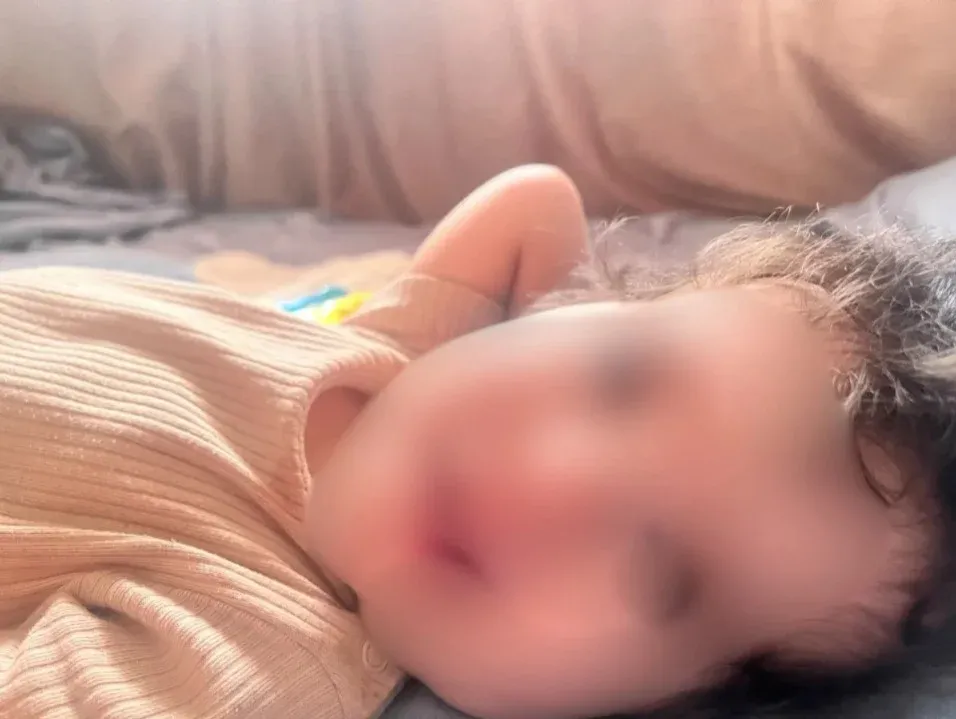
Heartbreaking Ordeal of a Family from Fez
In the city of Fez, Morocco, the family of 13-month-old Riad is undergoing an emotional and physical ordeal as their son's battle with relentless epileptic seizures continues unabated. Despite numerous medical interventions, the seizures have become a constant part of Riad's life, compelling his family to seek specialized treatment in France, where they hope to find a solution that has eluded them in Morocco.
Riad was born with an enlarged left cerebral hemisphere, a rare congenital disorder characterized by frequent seizures that have escalated in severity and frequency. His mother, Meryem, poignantly describes the progression of his condition, stating, "Initially, the seizures would occur almost hourly, but they have now become continuous, and the medications simply do not work." This devastating development has left Riad unable to move and suffering from significant developmental delays. Furthermore, the ongoing seizures have thwarted any attempts to initiate physiotherapy, as he is unable to respond.
A Journey Towards Treatment
The search for surgical intervention has been fraught with challenges. Meryem explains that medical professionals have indicated that the surgery Riad requires is not available for children of his age within Morocco. They have suggested that this critical operation could only be performed in France. Given that Riad's father serves in the military, the family reached out to the military hospital in Rabat to request support for transferring their son to Paris for the necessary treatment. Unfortunately, they were met with disappointment. A doctor at the military hospital informed them that Riad would need to wait until he turns five for the procedure to be authorized in Morocco, and he advised against a transfer to France. Unable to accept this prognosis, especially with Riad's condition deteriorating, Meryem sought second opinions from other doctors, who echoed the urgent need for surgery.
In an unexpected turn, the military hospital later suggested transferring Riad to India due to the high cost of treatment in France. Meryem, eager to alleviate her son's suffering, consented to this plan, even though it surprised her. Once in India, Riad underwent surgery; however, Meryem would later learn that the procedure performed was not the one originally recommended by the Moroccan doctors. Prior to the operation, the Indian physician had expressed a desire to consult with Riad's Moroccan doctors, but Meryem faced communication barriers that hindered this connection.
Post-surgery, Riad's condition worsened significantly, with seizures becoming more severe and him exhibiting signs of extreme lethargy, akin to a coma. In desperation, the family returned to the military hospital, where Riad was admitted for fifteen days. Meryem once again requested a transfer to France, but the hospital maintained its original stance, suggesting that Riad could be reassessed in September, much to the family's dismay.
As Meryem tirelessly sought assistance, the military hospital eventually reached out to a hospital in Paris, forwarding Riad's medical report. However, despite a proposal for an online consultation, the follow-up was neglected, prompting Meryem to take matters into her own hands and arrange a remote consultation with the French hospital at her own expense. During the appointment, the attending physician confirmed that Riad required the very surgery that had been recommended from the start and expressed astonishment at the procedure that had been conducted in India.
In a letter addressed to the military hospital, a doctor from Necker Hospital in Paris detailed Riad's condition of structural epilepsy arising from the enlargement of the left cerebral hemisphere and reiterated that surgical disconnection of the affected hemisphere is the standard treatment. The correspondence also described the complications that might arise from the earlier procedure performed in India, emphasizing the urgency of reassessing Riad. The proposal included a comprehensive treatment plan involving a 15-day stay in the neurosurgery department followed by extensive rehabilitation sessions. However, nearly two months have passed, and Meryem reports that the letter has gone unanswered. With a heavy heart, she has made a heartfelt appeal to King Mohammed VI, imploring him to intervene on behalf of her son, stating, "I can no longer bear to see him suffer."
As reported by en.yabiladi.com.