Emerging Threats to Morocco's Tourism Sector
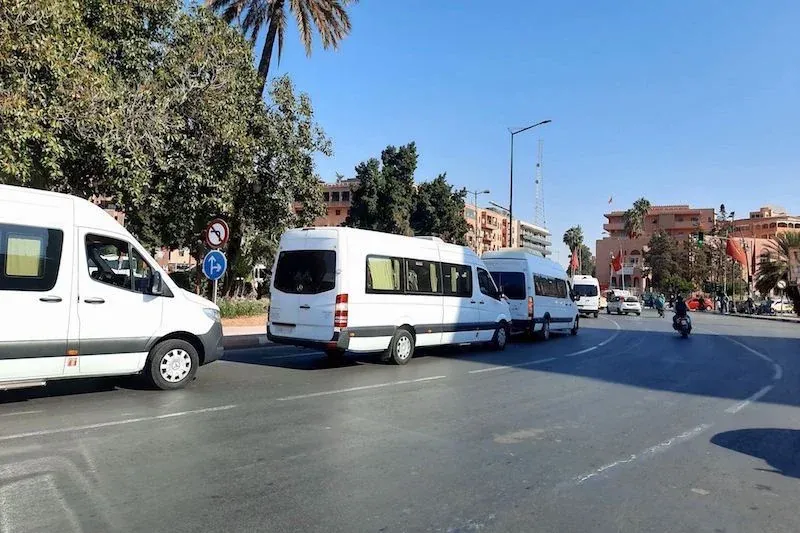
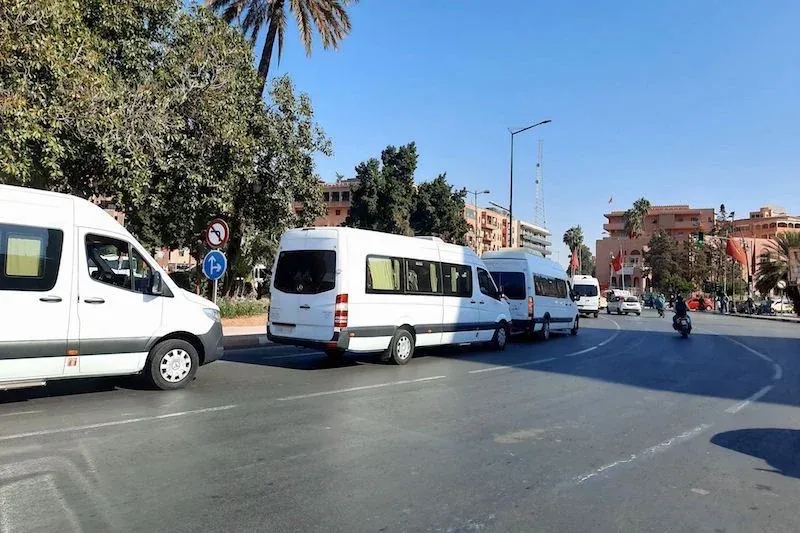
Recent discussions among tourism professionals in Morocco have highlighted the burgeoning phenomenon of "Ramassage," a practice that poses significant challenges to the economic and tourism equilibrium of destinations along the routes connecting major tourist cities with inland areas. This trend has emerged in the context of an increase in unregulated and low-cost travel options, often provided by unauthorized agencies and accommodation services in cities like Marrakech and, more recently, Fez.
According to industry sources, there is an urgent need to address the implications of this transportation model, which involves gathering tourists and transporting them collectively and directly to specific tourist destinations at low prices. This practice is typically associated with some unlicensed transport operators who collaborate with local accommodation providers.
A Serious Issue for Local Tourism
Ali Oubassidi, a tourism promoter in the Merzouga region, has pointed out that the phenomenon has become a pressing issue for the local tourism sector, particularly affecting the movement of visitors along the route that links Marrakech with Merzouga and the palm groves of Mahamid. He noted that, despite the concerns raised by industry stakeholders, no official solutions have yet been proposed to tackle this challenge.
Oubassidi elaborated that the negative impacts of these low-cost trips, which transport tourists directly to Merzouga, are becoming increasingly evident in various areas that previously benefited from tourist traffic along this route. In the past, tourists would rent cars in Marrakech and spend several days exploring different attractions along the way to Merzouga, stopping at notable sites like Ait Benhaddou and spending the night in Ouarzazate before proceeding to Boumalne Dades or Tinghir. This journey allowed for a broader distribution of tourism and economic benefits across various regions.
However, with the rise of direct transportation from Marrakech to Merzouga, tourists now face exhausting full-day journeys that leave little time for experiencing the natural and cultural attractions of the areas in between. This shift not only diminishes the economic returns for the regions formerly frequented by tourists but also limits visitors' chances to appreciate the richness and diversity of these landscapes.
Furthermore, Oubassidi emphasized that the low-cost travel model deprives these regions of potential revenue from accommodations, restaurants, and tourist activities, thus denying visitors the opportunity to immerse themselves in the local culture and environment. Often, stops are limited to commercial outlets that primarily benefit the drivers rather than the areas being traversed.
Oubassidi also warned that the repercussions of these practices extend beyond economic concerns, as they negatively impact the overall image of the region and the quality of the tourist experience. The reliance on low-cost travel, coupled with continuous transit and time constraints, can compromise service quality and the impressions that tourists take away from their interactions with locals.
Jamal Saadi, the former president of the Moroccan Federation of Tourist Guides, added that the Ramassage phenomenon represents a dangerous practice that falls within the realm of the unregulated tourism sector. He pointed out the proliferation of small, unlicensed agencies in Marrakech that attract tourists with low-priced trip offerings to various destinations, including the desert and nearby attractions.
Saadi explained that these agencies often lure tourists by providing incentives and that some drivers and licensed operators offer free services, hoping to earn commissions from shopping stops along the way. These practices are notably present at tourist gathering points, such as the bustling Jemaa el-Fnaa square.
He expressed concern that the dangers of this phenomenon primarily lie in its detrimental effects on licensed travel agencies, which face unfair competition from those operating outside the legal framework. This situation also adversely affects various professions linked to the tourism sector, notably tour guiding, as legitimate guides find themselves excluded from certain trips and services.
Additionally, these activities deprive the state treasury of rightful tax revenues, as they operate outside the legal framework, raising alarms about the potential damage to Morocco's tourism image. Tourists may find themselves frustrated by trips characterized by frequent commercial stops, leading to dissatisfaction and complaints that could tarnish the reputation of the national tourism destination.
Saadi further noted that these practices could also extend to accommodation conditions, citing instances where groups of tourists are transported to locations like Merzouga, with up to five people sharing a single tent. This situation could adversely affect both the quality of accommodations and the overall tourist experience, resulting in negative perceptions of the services provided to visitors.
As reported by hespress.com.