Concerns Over 'Ramassage' and Its Impact on Morocco's Tourism
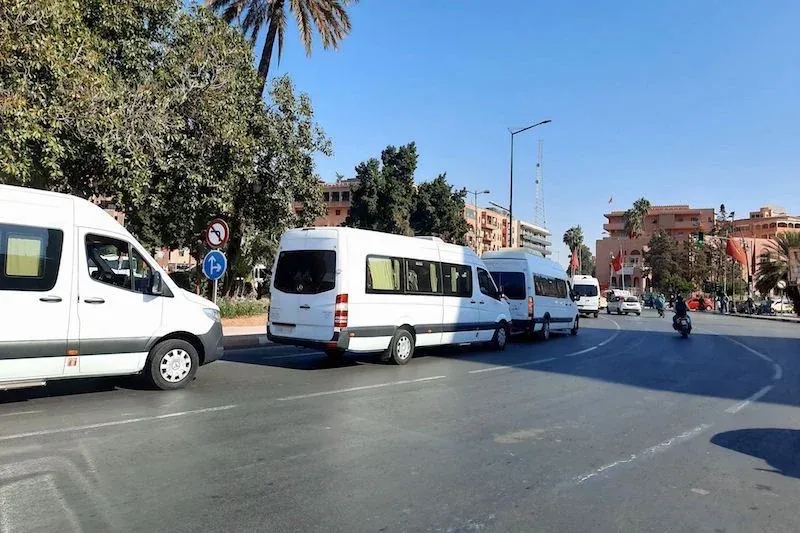
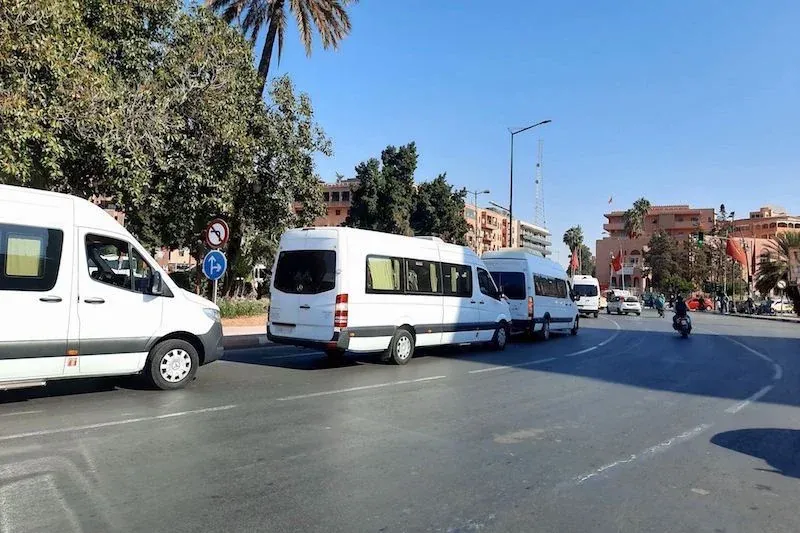
Recent discussions among tourism professionals in Morocco have highlighted the significant challenges posed by the growing phenomenon known as 'Ramassage'. This term refers to a mode of transportation that involves gathering tourists and transporting them collectively to specific destinations at a low cost. This practice has garnered attention as it threatens the economic equilibrium of tourist locations situated along major routes connecting popular cities, specifically Marrakech and the interior regions. Sources within the tourism sector have voiced concerns about how unregulated transportation methods are impacting the balance of tourism and economic sustainability.
Ali Oubassidi, a tourism promoter in the Merzouga region, emphasized that the 'Ramassage' phenomenon has emerged as a pressing issue within the tourism sector. He noted that the implications of this practice are becoming increasingly apparent, particularly affecting the flow of tourists along the route linking Marrakech to Merzouga and the surrounding areas like the Palmeraie of Ghizlane. Despite professionals raising alarms regarding this situation, there has yet to be an official resolution to the issues it presents.
Oubassidi explained that the direct consequences of these low-cost trips, which often bypass traditional tourist stops, have deprived areas such as Ouarzazate, Boumalne Dades, and Tinghir of vital tourism traffic. Previously, tourists arriving in Marrakech would typically rent a car, dedicating several days to explore the various attractions along the way to Merzouga. They would visit significant sites such as Ait Benhaddou and spend the night in Ouarzazate before proceeding to Boumalne Dades or Tinghir, ensuring a rich and diverse experience before reaching Merzouga for a couple of days. However, the emergence of 'Ramassage' has shifted this dynamic dramatically, as tourists are now transported directly from Marrakech to Merzouga in a single, exhausting day-long journey without sufficient opportunities to appreciate the natural and cultural attractions along the route.
This shift not only hampers the economic benefits that previously accrued to intermediary regions but also diminishes tourists' experiences, as they are often left with limited time to explore the region's rich offerings. Frequently, the only stops made are at commercial outlets that primarily benefit the drivers rather than the local economy, further undermining the overall tourism experience.
Dangerous Trends in Unregulated Tourism
Jamal Saadi, a former president of the Moroccan Federation of Tour Guides, described the 'Ramassage' phenomenon as a serious threat, categorizing it under the umbrella of unregulated tourism activities. He pointed out the proliferation of unauthorized small agencies in Marrakech that attract tourists with low-priced trip offers to various destinations, including the desert and surrounding areas. Saadi highlighted that these agencies often lure tourists into purchasing tours by offering seemingly attractive deals, sometimes even providing free rides in hopes of earning commissions from stops at shops and markets during the journey.
The peril of these practices extends beyond mere economic competition; it poses a threat to officially licensed tourism agencies that face an uneven playing field against illegal operators. Additionally, these activities adversely affect numerous professions associated with the tourism sector, particularly tour guiding, as licensed guides are excluded from many of these trips and services. Moreover, the lack of regulation deprives the state treasury of rightful tax revenues, as these operators function outside legal frameworks, potentially damaging Morocco's tourism reputation.
Saadi cautioned that the impact of such practices could also extend to accommodation conditions, noting instances where groups of tourists are crammed into single tents in places like Merzouga, which could significantly compromise the quality of their stays and overall experiences. This scenario not only reflects poorly on the services provided but also risks leaving tourists dissatisfied, which could have long-lasting repercussions on Morocco's image as a tourist destination.
As reported by hespress.com.