The Struggles of a Retired Widow in Casablanca
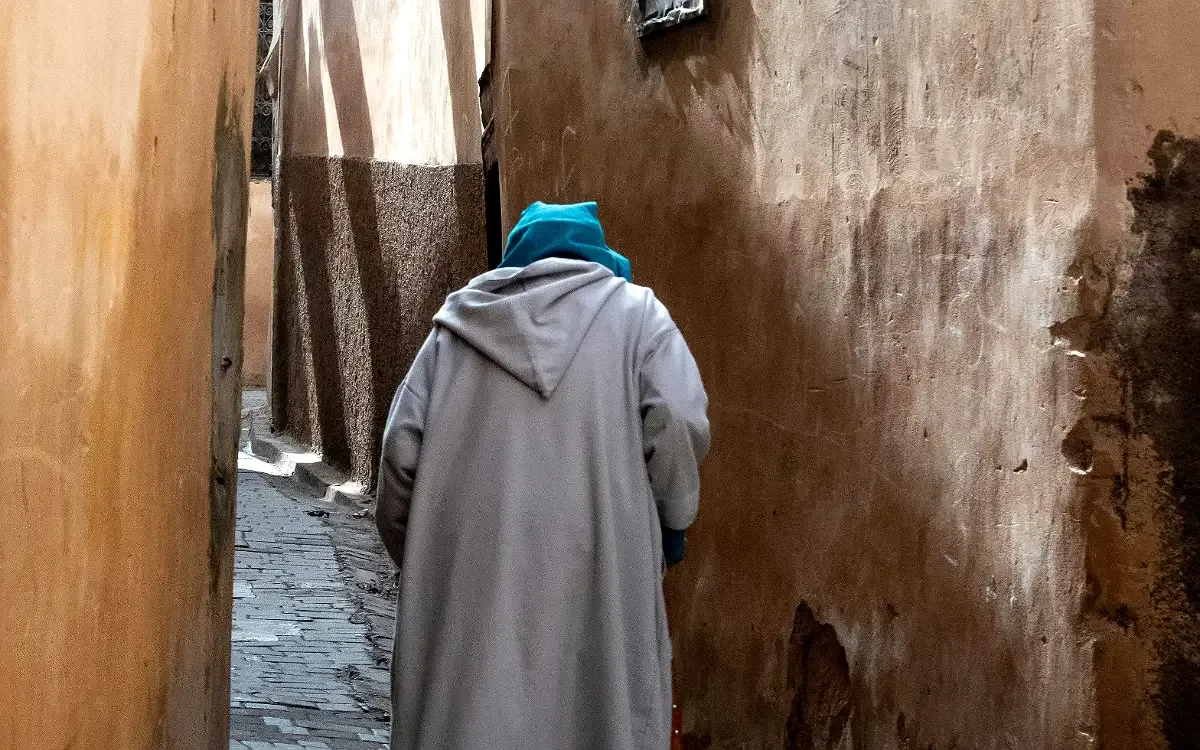
In the bustling city of Casablanca, a retired widow navigates her daily life largely in solitude, as her children pursue their careers and studies overseas. With the passing of her husband, her days are primarily spent at home, oscillating between watching television and preparing meals. The challenges of her isolation have not gone unnoticed; one of her children recently shared their concerns on Reddit, expressing worries over their mother's growing loneliness. Despite the family's commitment to staying connected through daily video calls, it has become increasingly clear that more must be done to bridge the emotional and physical distance. The child is now actively seeking activities and opportunities for their mother to engage socially, yet the inability to be physically present complicates this endeavor.
The Broader Context of Elderly Loneliness in Morocco
This poignant narrative reflects a larger trend documented by the High Commission for Planning (HCP) in its National Family Survey 2025, published in April 2026. The survey revealed that a staggering 75.7% of seniors aged between 60 and 75 value the residential proximity of their children, highlighting a widespread desire for familial connection in later years. Alarmingly, 23.2% of individuals in this age group report feeling lonely, with 9.8% experiencing chronic loneliness. As parents age and begin to lose their autonomy, the situation becomes increasingly pressing. According to the HCP, 36.5% of seniors living alone do not receive any assistance with household tasks, which raises significant concerns regarding their well-being.
Interestingly, daughters play a crucial role in supporting elderly women, accounting for 36.6% of identified sources of assistance, compared to only 17% from sons. The geographic distance imposed by children living abroad can further exacerbate the responsibilities placed on family members who remain in Morocco, often leading to increased stress and emotional strain.
In another revealing account shared on Reddit, a Moroccan man in his thirties reflected on the sacrifices he made by choosing to stay in Morocco to care for his aging father, who faces health challenges. His decision was heavily influenced by childhood memories of his father's humorous remarks about not letting the last son leave the family. As many of his friends have migrated abroad, he grapples with feelings of inadequacy compared to his brother who has found success overseas. This inner conflict highlights the profound dilemmas faced by individuals torn between career opportunities abroad and familial obligations at home.
The data from the HCP also indicates a worrying trend regarding the increasing needs of the elderly population, with 16.9% of seniors aged 60-75 reporting a state of physical dependency. This figure escalates to 25% among those aged 70-75. In such circumstances, the support required transcends mere phone calls or financial transfers; it necessitates a physical presence for daily tasks and personal care, underscoring the urgent need for solutions that accommodate the complexities of modern family dynamics.
As reported by bladi.net.