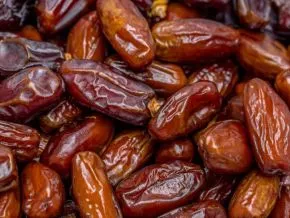
Morocco's Date Production Set for Record Growth
As Morocco gears up for the 2026/2027 agricultural season, the nation is poised to achieve an unprecedented date harvest of 177,000 tons, reflecting an impressive 11% increase compared to the previous year. This optimistic forecast was unveiled by the Ministry of Agriculture during the International Date Fair held in Erfoud on October 28. Contributing factors to this anticipated growth include favorable weather conditions and the maturation of date palms. In a concerted effort to bolster date production, the Moroccan government has embarked on a substantial investment program amounting to 792 million dirhams (approximately $80.9 million), aimed at enhancing the cultivation of dates and rejuvenating traditional oases in the Drâa-Tafilalet region over the period from 2021 to 2030. This initiative includes the distribution of 2.6 million selected date palm plantlets, with over 917,000 already distributed by the end of October. Furthermore, the Ministry is dedicated to expanding storage and processing capabilities while streamlining oversight of date imports to meet domestic consumption demands, which are estimated to be between 220,000 and 250,000 tons annually, significantly surpassing local production.
Regional Insights: Algeria, Tunisia, and Egypt
In neighboring Algeria, while a nationwide production forecast for the 2026/2027 season has not yet been released, various provinces are predicting increased output. Specifically, agricultural officials in Ouled Djellal have reported an expected harvest of 118,000 tons, a notable rise attributed to the emergence of 40,000 new date palms bearing fruit. Meanwhile, Touggourt's forecast suggests a harvest nearing 147,500 tons. Local authorities have also highlighted early positive assessments of fruit quality, supported by a proactive pest control campaign that has covered over 200,000 date palms to combat harmful pests.
Contrastingly, Tunisia is bracing for a decline in its date harvest, projected to fall by 12.4% to 354,000 tons from last year's 404,000 tons. This downturn is largely due to ongoing irrigation challenges plaguing southern oases, exacerbated by aging water distribution systems and the depletion of several wells. In response, authorities have distributed 3.4 million protective nets for date bunches and facilitated pollination for approximately 53.5 million date clusters. Additionally, the ministry is set to enhance market access by opening direct sales outlets in various regions by November 2026, announcing a reference price of 5.2 Tunisian dinars ($1.73) per kilogram.
Looking further afield, Egypt, the largest date producer in North Africa, is expecting a robust harvest of around 2.1 million tons for the 2026 season. Khaled El-Haggan, a prominent date grower and the head of the Dates and Palm Trees Committee, has indicated that this figure reflects an increase from earlier estimates. This growth is attributed to the rising yield from newly planted date palms. Nevertheless, the region has faced challenges, including variable weather conditions that have affected harvesting schedules and fruit quality. In response to growing demand, Egypt is also enhancing its date processing and storage infrastructure, notably through partnerships with the United Arab Emirates to restore processing facilities and expand cold storage capacities in key areas.
As reported by ecofinagency.com.